LCP_hide_placeholder
fomox
Search Token/Wallet
/

Understanding Atomic Swap: A Comprehensive Guide

2025-12-01 16:40
Blockchain
Crypto Trading
Crypto Tutorial
DeFi
P2P Trading
Article Rating : 3.7
half-star
0 ratings
This comprehensive guide explores the transformative technology of atomic swaps, which enable decentralized, secure, and efficient cryptocurrency exchanges without intermediaries. It offers insights into the history, workings, types, and advantages of atomic swaps, catering to individuals interested in decentralized finance. The article addresses issues of compatibility and scalability and discusses real-world applications, like the Litecoin-Bitcoin swap demonstration, while highlighting future prospects in cross-chain interoperability and DeFi integration. Through concise sections, the guide enhances keyword density and readability for quick comprehension.
Understanding Atomic Swap: A Comprehensive Guide

Atomic Swaps

Atomic swaps represent a revolutionary technology in the cryptocurrency ecosystem, enabling direct peer-to-peer exchanges of digital assets across different blockchain networks without requiring centralized intermediaries. Also known as cross-chain swaps or atomic cross-chain trading, this innovative mechanism utilizes cryptographic protocols and smart contracts to facilitate secure, trustless transactions between parties. Understanding what is atomic swap is fundamental to grasping how cryptocurrency exchanges can occur in a completely decentralized manner, with both parties simultaneously fulfilling their agreed-upon terms through automated execution.

History of Atomic Swaps

The conceptual foundation of atomic swaps traces back to 2013 when computer scientist Tier Nolan introduced this groundbreaking idea to the cryptocurrency community. In a pivotal Bitcointalk forum post, Nolan outlined the fundamental principles of cross-chain trading, proposing the use of cryptographic protocols to enable secure and trustless decentralized exchanges. His vision was predicated on the belief that cryptocurrency users should be capable of conducting direct trades without depending on centralized third parties, which historically proved vulnerable to security breaches, operational downtime, and various systemic risks. As blockchain technology matured and the cryptocurrency landscape expanded, Nolan's concept gained significant traction within the developer community. The recognition of atomic swaps' potential benefits catalyzed extensive research and development efforts, ultimately transforming the theoretical concept into practical implementations that demonstrated the viability of decentralized cross-chain trading.

How Do Atomic Swaps Work?

To fully understand what is atomic swap, it's essential to examine the underlying mechanisms. Atomic swaps operate through a sophisticated combination of cross-chain trading mechanisms and cryptographic protocols, with Hash Time-Locked Contracts (HTLCs) serving as the cornerstone technology. The cross-chain trading aspect enables cryptocurrency exchanges between separate blockchain networks in a completely trustless environment, eliminating the need for mutual trust or third-party involvement. HTLCs function as specialized smart contracts that guarantee all-or-nothing transaction execution, preventing partial or incomplete exchanges. These time-bound contracts generate cryptographic hash functions that lock the involved funds, which can only be unlocked by providing the correct secret key, known as a preimage, within a predetermined timeframe. When two parties initiate an atomic swap, they create and sign HTLCs on their respective blockchains, each locking the agreed-upon cryptocurrency amount using identical hash functions. The first party shares the secret preimage with the second party, who must use it to unlock funds on their blockchain within the specified period. Upon successful unlocking by the second party, the first party can utilize the revealed preimage to unlock funds on their blockchain, completing the swap. If the preimage is not provided within the designated timeframe, the HTLC expires automatically, returning funds to their original owners. Atomic swaps can be executed either on-chain, directly on the involved blockchains, or off-chain through second-layer solutions like the Lightning Network, with each method offering distinct advantages in terms of speed, scalability, and cost-effectiveness.

Is Atomic Swap Safe?

When considering what is atomic swap and its security implications, atomic swaps are generally regarded as highly secure due to their reliance on robust cryptographic protocols and smart contracts, particularly Hash Time-Locked Contracts. The all-or-nothing nature of HTLCs ensures that transactions either complete entirely or not at all, effectively eliminating the risk of partial fund loss or fraudulent activities. Furthermore, atomic swaps empower users to maintain complete control over their private keys and funds throughout the entire transaction process, providing substantially enhanced security compared to centralized trading platforms. Unlike traditional platforms that act as custodians of users' assets and represent attractive targets for malicious actors, atomic swaps eliminate single points of failure and significantly reduce exposure to hacks or security breaches. This decentralized approach to cryptocurrency trading fundamentally transforms the security paradigm by distributing risk and control directly to individual users.

What Are the Different Types of Atomic Swaps?

Understanding what is atomic swap requires knowledge of its different implementations. Atomic swaps are categorized into two primary types: on-chain and off-chain atomic swaps, each offering distinct characteristics and advantages. On-chain atomic swaps involve transactions that are directly executed and permanently recorded on the respective blockchains of the cryptocurrencies being exchanged. This method requires both blockchains to support identical scripting languages and maintain compatibility with Hash Time-Locked Contracts. While on-chain swaps provide maximum transparency and security through direct blockchain recording, they may be subject to the same scalability limitations affecting individual blockchain networks. Off-chain atomic swaps, conversely, utilize second-layer solutions such as the Lightning Network to execute transactions outside the main blockchain infrastructure. This approach delivers significantly faster transaction speeds, enhanced scalability, and reduced costs compared to on-chain alternatives. Both types of atomic swaps contribute to the overarching objective of enabling secure, decentralized, and trustless digital asset exchanges, promoting greater interoperability between diverse blockchain networks and cryptocurrencies while accommodating different use cases and performance requirements.

Advantages of Atomic Swaps

When exploring what is atomic swap, it's important to recognize the numerous compelling advantages that position them as transformative technology in the cryptocurrency trading landscape. The primary benefit lies in decentralization and trustless exchange, as atomic swaps eliminate the need for centralized intermediaries like traditional cryptocurrency trading platforms, allowing users to maintain complete control over their assets throughout transactions. The trustless nature is enabled through HTLCs, which guarantee that swaps execute entirely or not at all, minimizing fraud risk and ensuring fund security. Enhanced security represents another significant advantage, as atomic swaps allow users to retain control over private keys and funds, dramatically reducing vulnerability to hacks and security breaches that plague centralized platforms. Transaction fee reduction constitutes a major economic benefit, as atomic swaps eliminate or significantly reduce the deposits, withdrawals, and trading fees typically charged by centralized platforms. Increased privacy is achieved through direct peer-to-peer exchanges that bypass identity verification processes such as Know Your Customer (KYC) and Anti-Money Laundering (AML) regulations, allowing users to maintain higher anonymity levels. Additionally, atomic swaps can provide faster transaction times by leveraging smart contracts and cryptographic protocols for direct execution between parties, avoiding delays associated with centralized platform operations. Off-chain atomic swaps utilizing second-layer solutions like the Lightning Network can achieve near-instantaneous transactions by eliminating main blockchain confirmation requirements, making atomic swaps an exceptionally efficient option for digital asset exchanges.

Disadvantages of Atomic Swaps

Despite their numerous advantages, a complete answer to what is atomic swap must address several notable limitations and challenges that impact their widespread adoption. Compatibility requirements represent a primary constraint, as atomic swaps necessitate that both cryptocurrencies support identical scripting languages, hash functions, and HTLC compatibility. This technical requirement restricts the variety of available trading pairs and prevents many cryptocurrencies from participating in atomic swap transactions. Scalability concerns pose another significant challenge, particularly for on-chain atomic swaps that must record and verify transactions on respective blockchains, potentially encountering network congestion and slow confirmation times. While off-chain solutions like the Lightning Network can mitigate these issues, they face adoption and usability limitations. Liquidity issues present a substantial obstacle, especially during early adoption stages, as atomic swaps rely on direct peer-to-peer exchanges that may have fewer participants and limited trading pairs compared to centralized platforms. Low liquidity can result in price slippage and reduced trading efficiency, potentially hindering user experience and limiting atomic swaps' attractiveness as an alternative to traditional trading platforms. These challenges must be addressed through continued technological development and increased adoption to realize atomic swaps' full potential.

A Real-World Example of Atomic Swaps

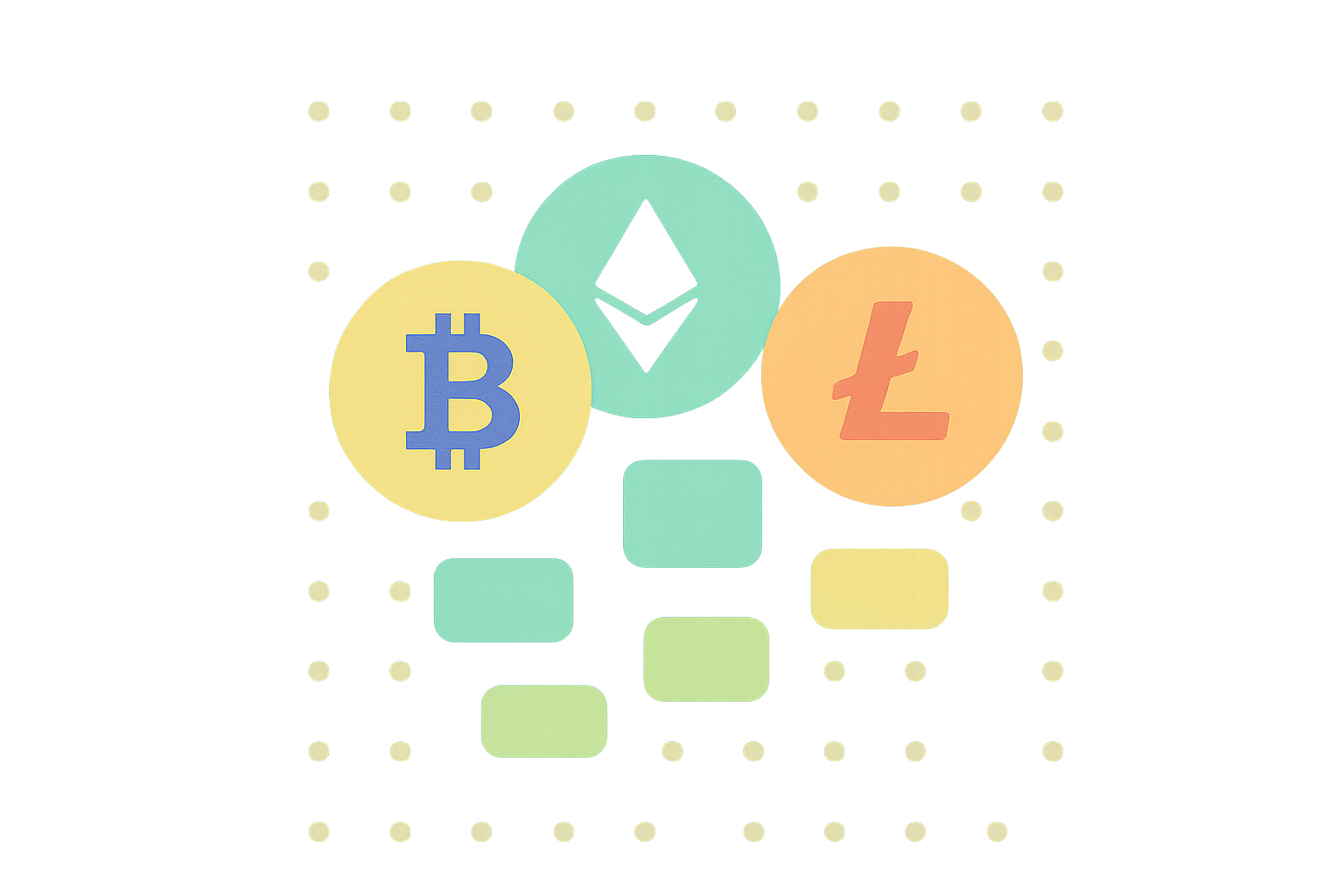
A landmark demonstration that exemplifies what is atomic swap in practice occurred in September 2017, when Litecoin creator Charlie Lee successfully executed one of the first recorded on-chain atomic swaps between Litecoin (LTC) and Bitcoin (BTC). This historic event validated the technology's viability and demonstrated its potential for facilitating decentralized, trustless exchanges between major cryptocurrencies. Lee utilized specialized tools to conduct the atomic swap, creating and signing HTLCs on both the Litecoin and Bitcoin blockchains. The transaction completed successfully once both parties revealed their respective preimages and unlocked funds on their blockchains. This pioneering atomic swap catalyzed significant interest and development in cross-chain transaction technology, inspiring numerous projects and platforms focused on enabling atomic swap capabilities. Notable examples include various decentralized exchange implementations and the Lightning Network, which aims to facilitate off-chain atomic swaps for faster, more scalable transactions. Lee's successful demonstration proved that atomic swaps could move from theoretical concept to practical implementation, paving the way for continued innovation in decentralized cryptocurrency trading.

Future of Atomic Swaps

The future trajectory of atomic swaps appears highly promising as the cryptocurrency ecosystem continues its rapid evolution, with several key factors expected to influence their development and adoption. Increasing cross-chain interoperability demands will likely drive continued research and development as the proliferation of blockchain networks and cryptocurrencies creates growing needs for seamless, trustless cross-chain transactions. The expanding adoption of second-layer solutions, particularly the Lightning Network, will help overcome scalability challenges associated with on-chain atomic swaps by providing faster and more cost-effective transaction options that encourage broader atomic swap usage. Improved user experience through the development of user-friendly interfaces and platforms will make atomic swaps more accessible to mainstream users, establishing them as viable alternatives to centralized trading platforms. Regulatory developments will play a crucial role in shaping atomic swap adoption, as evolving cryptocurrency regulations may introduce new rules and guidelines governing their use, potentially influencing growth depending on regulatory frameworks' nature and scope. Integration with decentralized finance (DeFi) presents significant opportunities for atomic swaps to play key roles in expanding DeFi platforms and services by enabling trustless, decentralized exchanges within various financial applications. As these factors converge, atomic swaps are positioned to become increasingly important components of the cryptocurrency trading ecosystem, contributing to a more decentralized, secure, and efficient digital asset marketplace.

Conclusion

Atomic swaps represent a transformative innovation in cryptocurrency trading, offering a decentralized, secure, and efficient alternative to traditional centralized trading platforms. Understanding what is atomic swap is crucial for anyone interested in the future of decentralized finance and cryptocurrency trading. Through the utilization of cryptographic protocols and Hash Time-Locked Contracts, atomic swaps enable direct peer-to-peer exchanges that eliminate intermediary dependence while providing enhanced security, reduced fees, increased privacy, and faster transaction times. Although challenges such as compatibility requirements, scalability concerns, and liquidity issues remain, ongoing technological development and increasing adoption are expected to address these limitations. The successful demonstration of atomic swaps between major cryptocurrencies, combined with their integration into second-layer solutions and DeFi platforms, validates their practical viability and suggests significant potential for future growth. As the cryptocurrency community continues to embrace atomic swaps, this technology will play an increasingly vital role in creating a more decentralized, secure, and efficient digital asset ecosystem that truly embodies blockchain technology's core principles. The evolution of atomic swaps from theoretical concept to practical implementation demonstrates the cryptocurrency community's commitment to innovation and decentralization, positioning this technology as a cornerstone of future cryptocurrency trading infrastructure.

FAQ

How does an atomic swap work?

Atomic swaps use smart contracts to enable direct peer-to-peer cryptocurrency exchanges without intermediaries. Parties lock funds in a contract, exchange cryptographic keys, and verify transactions to complete the swap securely and automatically.

What is the main advantage of atomic swap?

The main advantage of atomic swap is cross-chain interoperability, allowing direct peer-to-peer cryptocurrency exchanges without intermediaries, reducing fees and enhancing security.

Is it better to sell or swap coins?

Swapping coins often offers better rates and flexibility, but selling can provide immediate liquidity. Choose based on your goals and market conditions.

* The information is not intended to be and does not constitute financial advice or any other recommendation of any sort offered or endorsed by Gate.

Share

Content

History of Atomic Swaps

How Do Atomic Swaps Work?

Is Atomic Swap Safe?

What Are the Different Types of Atomic Swaps?

Advantages of Atomic Swaps

Disadvantages of Atomic Swaps

A Real-World Example of Atomic Swaps

Future of Atomic Swaps

Conclusion

FAQ

Related Articles
Top Decentralized Exchange Aggregators for Optimal Trading

Top Decentralized Exchange Aggregators for Optimal Trading

Exploring top DEX aggregators in 2025, this article highlights their role in enhancing crypto trading efficiency. It addresses challenges faced by traders, such as finding optimal prices and reducing slippage, while ensuring security and ease of use. A practical overview of 11 leading platforms is provided, with guidance on selecting the right aggregator based on trading needs and security features. Designed for crypto traders seeking efficient and secure trading solutions, the article emphasizes the evolving benefits of using DEX aggregators in the DeFi landscape.
2025-12-24
A Comprehensive Guide to Tokenizing Real-World Assets

A Comprehensive Guide to Tokenizing Real-World Assets

A comprehensive guide to real-world asset tokenization, bridging traditional and digital finance with blockchain technology. Discover the benefits, practical use cases, and future prospects of RWAs, empowering you to invest confidently and engage in the asset tokenization market. Tailored for cryptocurrency enthusiasts and fintech professionals.
2025-12-21
Choosing Your Ideal Digital Wallet in 2025: A Starter's Guide

Choosing Your Ideal Digital Wallet in 2025: A Starter's Guide

Explore the evolving landscape of crypto wallets in 2025 with this comprehensive starter's guide. Understand the fundamental functionalities and types—hot and cold wallets—and learn to choose the best one based on user needs like trading, NFT collecting, and long-term holding. Discover key considerations in wallet selection, such as security features, multi-chain compatibility, and practical use for everyday transactions. Gain insights on setup processes and advanced wallet capabilities to optimize your digital asset management. This guide equips both beginners and seasoned users with the knowledge to make informed decisions suitable to their crypto engagement level.
2025-12-21
Understanding Bitcoin's Supply Limit: How Many Bitcoins Exist?

Understanding Bitcoin's Supply Limit: How Many Bitcoins Exist?

The article delves into Bitcoin's finite supply of 21 million coins, shedding light on its implications for the cryptocurrency ecosystem. It explores how Bitcoin's halving mechanism controls supply, impacting mining rewards and inflation. The piece also discusses what happens after all coins are mined, the role of transaction fees, and introduces the Lightning Network's innovation for scalability. Addressing the loss and theft of bitcoins, it highlights security challenges and advancements. Ideal for crypto enthusiasts and investors, the article explains Bitcoin's value proposition rooted in scarcity and decentralization.
2025-12-04
What is Avalanche (AVAX): A Complete Fundamentals Analysis of Whitepaper Logic, Use Cases, and Technical Innovation

What is Avalanche (AVAX): A Complete Fundamentals Analysis of Whitepaper Logic, Use Cases, and Technical Innovation

This article offers an in-depth analysis of Avalanche (AVAX) covering its three-chain architecture innovation, token utility, ecosystem expansion, and competitive positioning. It explores how Avalanche enables high transaction throughput, efficient governance, and diverse use cases in DeFi, RWA, and gaming sectors. Targeted at developers and blockchain enthusiasts, the article details the strategic roadmap and contrasts Avalanche's performance against rivals like Solana and Ethereum. Key themes include AVAX's versatile design and institutional adoption, providing essential insights for understanding this emerging blockchain platform.
2025-12-21
What is tokenomics and how does token distribution allocation work in crypto projects?

What is tokenomics and how does token distribution allocation work in crypto projects?

The article explores tokenomics in crypto projects, focusing on token distribution, supply control, deflationary mechanisms, and governance structure. It highlights the impact of well-architected allocation ratios on sustainability and market stability. Readers interested in how token design can influence project success and investor trust will find this analysis valuable. The piece uses the TRUMP token model to demonstrate effective token management through locked reserves, liquidity control, and burn protocols. It also addresses the balance between decentralization and centralized governance rights within crypto ecosystems, emphasizing transparent decision-making.
2025-12-20
Recommended for You
What is BULLA coin: analyzing whitepaper logic, use cases, and team fundamentals in 2026

What is BULLA coin: analyzing whitepaper logic, use cases, and team fundamentals in 2026

BULLA coin introduces decentralized accounting and on-chain data management innovation built on BNB Smart Chain, eliminating intermediaries while ensuring real-time transaction verification. The platform addresses critical gaps in cryptocurrency infrastructure by embedding accounting logic directly into smart contracts, enabling transparent audit trails and regulatory compliance. Real-world applications include seamless transaction imports across multiple exchanges, comprehensive crypto portfolio tracking, and secure record-keeping for investors. Trade import tools enhance user experience by automating data categorization and consolidation. Founded in 2021 by blockchain architect Benjamin with support from experienced fintech designers and engineers, BULLA Networks demonstrates active development momentum with continuous smart contract iterations through early 2026. The 2026-2027 strategic roadmap prioritizes network infrastructure expansion and enhanced security protocols, positioning BULLA as a robust decen
2026-02-08
How does MYX token's deflationary tokenomics model work with 100% burn mechanism and 61.57% community allocation?

How does MYX token's deflationary tokenomics model work with 100% burn mechanism and 61.57% community allocation?

This article examines MYX token's innovative deflationary tokenomics, featuring a distinctive 61.57% community allocation and 100% burn mechanism. The community-focused distribution empowers token holders through MYX DAO governance while ensuring value flows back to ecosystem participants. The 100% burn mechanism systematically removes node-generated revenue from circulation, reducing the total supply from one billion tokens and creating genuine scarcity. This supply-driven deflation counters inflation pressures and strengthens long-term holder value without requiring external demand. The combination of broad community distribution and aggressive token elimination creates sustainable deflationary economics. Ideal for investors seeking to understand how MYX Finance aligns community interests with protocol success through structural value preservation and decentralized governance mechanisms on Gate exchange.
2026-02-08
What Are Derivatives Market Signals and How Do Futures Open Interest, Funding Rates, and Liquidation Data Impact Crypto Trading in 2026?

What Are Derivatives Market Signals and How Do Futures Open Interest, Funding Rates, and Liquidation Data Impact Crypto Trading in 2026?

This comprehensive guide decodes cryptocurrency derivatives market signals essential for 2026 trading success. Learn how futures open interest, funding rates, and liquidation data—such as ENA's $17 billion contract volume and $94 million daily position closures—reveal market sentiment and institutional positioning. The article explains how long-short ratios and liquidation heatmaps identify reversal opportunities, while options imbalance signals indicate smart money accumulation strategies. Discover why exchange outflows and funding rate extremes precede major price movements. From analyzing $46.45M ENA outflows to understanding leverage risks, this resource equips traders with actionable intelligence for predicting market turning points. Perfect for beginners and experienced traders leveraging Gate's analytics tools to navigate increasingly complex derivatives markets with informed entry and exit strategies.
2026-02-08
How do futures open interest, funding rates, and liquidation data predict crypto derivatives market signals in 2026?

How do futures open interest, funding rates, and liquidation data predict crypto derivatives market signals in 2026?

This article explores how three critical derivatives metrics—open interest exceeding $20 billion, funding rates shifting positive, and liquidation volume declining 30%—predict crypto derivatives market signals in 2026. The guide reveals institutional participation driving market maturation while positive funding rates signal strengthened bullish momentum. Long-short ratio stabilization at 1.2 with put-call ratio below 0.8 demonstrates sophisticated hedging strategies on Gate and other platforms. Reduced liquidation volumes indicate improved risk management and market resilience. By analyzing how these indicators combine—measuring position sizing, sentiment extremes, and forced selling pressure—traders gain precise tools for identifying trend reversals, leverage exhaustion, and market turning points with 55-65% AI-driven accuracy for 2026.
2026-02-08
What is a token economics model and how does GALA use inflation mechanics and burn mechanisms

What is a token economics model and how does GALA use inflation mechanics and burn mechanisms

This article explores GALA's innovative token economics model, examining how inflation mechanics and burn mechanisms create sustainable ecosystem growth. The guide covers GALA token distribution through 50,000 Founder's Nodes requiring 1 million GALA for 100% daily rewards, establishing long-term community participation. A dual-mechanism approach pairs controlled inflation with strategic annual supply reduction to establish deflationary pressure. The burn mechanism, powered by 100% transaction fee burning on GalaChain combined with NFT royalty enforcement averaging 6.1%, creates continuous supply reduction while incentivizing creator participation. Governance utility empowers node holders to vote on game launches through consensus mechanisms, transforming GALA holders into active stakeholders. Perfect for investors and ecosystem participants seeking to understand how GALA balances token scarcity with ecosystem vitality through integrated economic incentives and community governance on Gate.
2026-02-08
What is on-chain data analysis and how does it reveal whale movements and active addresses in crypto?

What is on-chain data analysis and how does it reveal whale movements and active addresses in crypto?

On-chain data analysis reveals cryptocurrency market dynamics by examining active addresses and transaction metrics that expose whale movements and investor behavior. This comprehensive guide explores how blockchain data serves as a critical market indicator, demonstrating the correlation between large holder activities and price movements—such as FLOKI's 950% surge in whale transactions. The article covers whale movement tracking, holder distribution patterns showing 73.47% concentration among major stakeholders, and on-chain fee trends as cycle indicators. Essential metrics include active addresses reflecting genuine network participation, transaction volumes revealing strategic positioning, and network congestion patterns during market cycles. By tracking these interconnected indicators through platforms like Glassnode and Gate, investors and traders can identify market sentiment shifts, anticipate price movements, and distinguish institutional activity from retail participation, making on-chain analysis i
2026-02-08