

Why Do All Cryptocurrencies Fall Together?
Understanding Market Dynamics and Interconnection
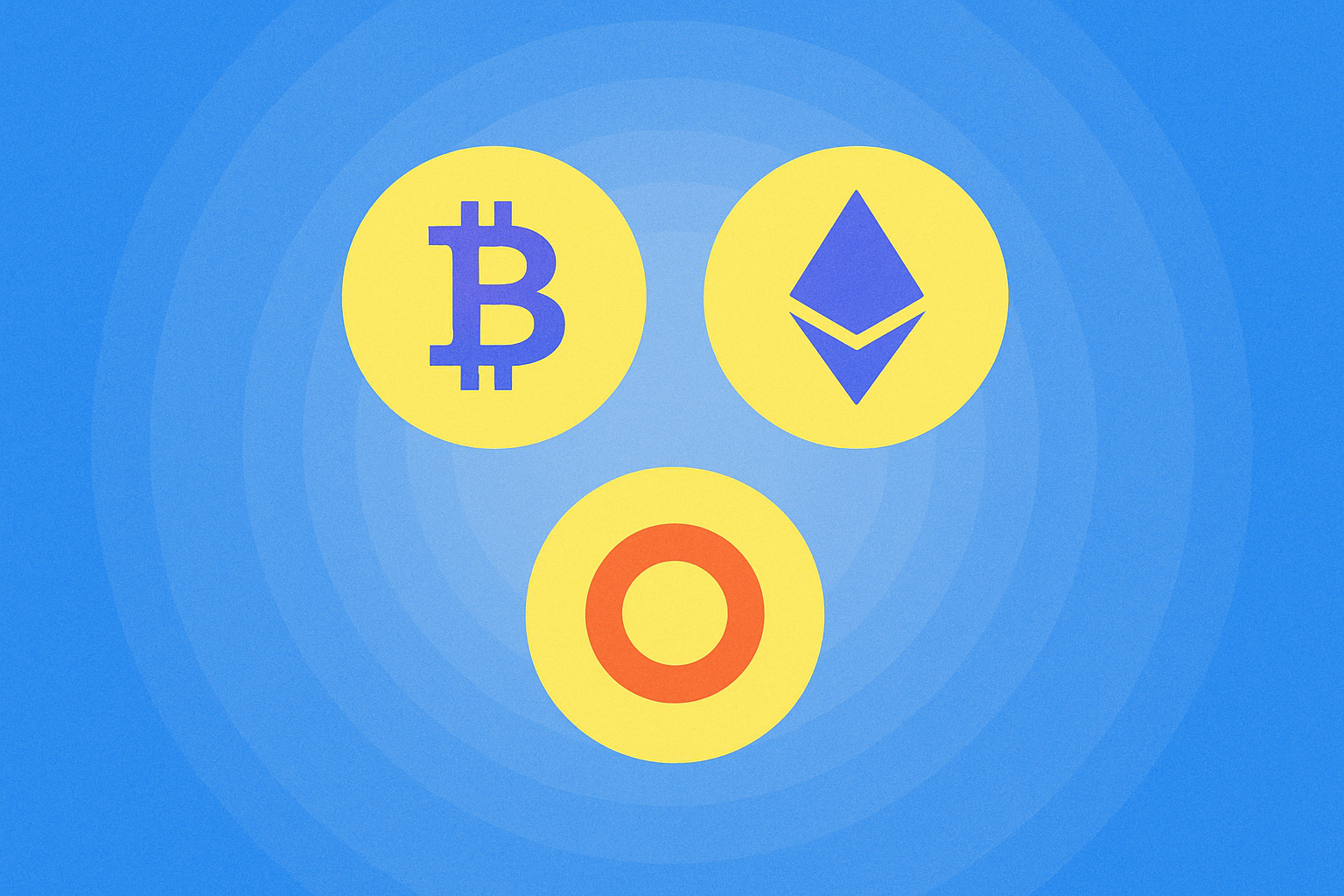
The simultaneous decline in cryptocurrency prices often stems from a complex interplay of macroeconomic factors, market sentiment, and the inherent interconnection of digital assets. When major cryptocurrencies like Bitcoin and Ethereum experience downturns due to external economic pressures or internal ecosystem issues, smaller altcoins typically follow suit due to their dependence on the broader market infrastructure and investor sentiment.
This phenomenon occurs because the cryptocurrency market operates as an interconnected ecosystem where major assets serve as bellwethers for the entire sector. Bitcoin, often referred to as digital gold, and Ethereum, the leading smart contract platform, collectively represent a significant portion of the total cryptocurrency market capitalization. When these dominant assets face selling pressure, it triggers a cascading effect across the market. Institutional investors and retail traders alike tend to reduce their exposure to risk assets simultaneously, leading to widespread liquidations across all cryptocurrency holdings.
Moreover, the correlation between different cryptocurrencies has strengthened over time as the market has matured. Trading algorithms, automated market makers, and portfolio rebalancing strategies often treat cryptocurrencies as a single asset class, amplifying synchronized price movements. This technical infrastructure creates a self-reinforcing cycle where price declines in major assets automatically trigger selling in smaller tokens through programmatic trading systems.
Importance of Understanding Market Dynamics
For investors, traders, and users in the cryptocurrency space, understanding why all cryptocurrencies tend to decline together is crucial for several strategic reasons. First and foremost, this knowledge enables effective risk management by allowing stakeholders to make informed decisions about when to hold or liquidate their assets. By recognizing the patterns of market-wide corrections, investors can better position their portfolios to weather downturns or capitalize on recovery opportunities.
Secondly, comprehending these dynamics helps in predicting market movements based on global economic indicators and sector-specific news, thereby better strategizing entry and exit points. For instance, when traditional financial markets show signs of stress—such as rising interest rates, inflation concerns, or geopolitical tensions—savvy cryptocurrency investors can anticipate potential spillover effects and adjust their positions accordingly. This proactive approach can significantly reduce losses during market downturns and maximize gains during recovery phases.
Furthermore, this understanding promotes a deeper appreciation of market psychology and the factors driving collective investor behavior, which is essential for navigating the volatile world of cryptocurrencies. Recognizing that fear and greed cycles affect the entire market simultaneously allows traders to avoid emotional decision-making and maintain disciplined investment strategies. It also helps identify genuine buying opportunities when market-wide panic creates temporary undervaluations in fundamentally strong projects.
Additionally, understanding correlation patterns enables more sophisticated portfolio diversification strategies. While perfect diversification may be impossible within the cryptocurrency space due to high correlations, investors can still seek assets with relatively lower correlation coefficients or explore alternative strategies such as stablecoins, DeFi protocols, or blockchain infrastructure projects that may exhibit different risk profiles during market stress.
Real-World Examples and Market Insights
Historically, the cryptocurrency market has demonstrated significant sensitivity to a wide range of stimuli, from regulatory announcements to technological developments. In recent years, when major central banks announced unexpected interest rate increases, Bitcoin and Ethereum experienced sharp declines of approximately 15% within days. Smaller cryptocurrencies, lacking the market capitalization and liquidity of their larger counterparts, followed suit due to investor panic and widespread selling pressure.
These events illustrate how macroeconomic policy decisions in traditional finance directly impact cryptocurrency valuations. The mechanism operates through multiple channels: higher interest rates increase the opportunity cost of holding non-yielding assets like Bitcoin, strengthen fiat currencies relative to crypto assets, and generally reduce risk appetite across all speculative investments. The cryptocurrency market, being among the most speculative and volatile asset classes, typically experiences amplified reactions to such monetary policy shifts.
In the past period, the introduction of quantum-resistant blockchain technology caused similar market turbulence. Initially, major cryptocurrencies struggled as investors feared that older blockchain technologies would become obsolete in the face of advancing quantum computing capabilities. This uncertainty led to broad-based selling across the market, demonstrating the high level of interconnection within the cryptocurrency ecosystem. Projects built on potentially vulnerable infrastructure saw their valuations decline sharply, regardless of their individual fundamentals or use cases.
However, this episode also provided a clear example of how technological developments can either disrupt or stabilize markets, depending on public perception and investor confidence. As leading projects announced plans to implement quantum-resistant cryptographic solutions and demonstrated the feasibility of upgrading existing networks, market sentiment gradually recovered. This recovery was similarly synchronized across the market, with major assets leading the rebound and smaller tokens following the positive momentum.
Another notable example involves regulatory developments in major economies. When influential jurisdictions announce stricter cryptocurrency regulations or enforcement actions against major platforms, the entire market typically reacts negatively. Conversely, positive regulatory clarity or institutional adoption announcements can lift the entire sector. These patterns underscore the market's collective response to systemic risks and opportunities that affect the cryptocurrency ecosystem as a whole.
Data and Statistical Evidence
Quantitative analysis further supports the trend of synchronized declines across the cryptocurrency market. Recent data shows that the correlation coefficient between Bitcoin and Ethereum has consistently remained above 0.89, indicating that movements in one asset strongly predict similar movements in the other. This high correlation extends beyond just these two major cryptocurrencies; analysis of the top 100 cryptocurrencies by market capitalization reveals average correlation coefficients exceeding 0.75 during periods of market stress.
These statistical relationships have important implications for portfolio construction and risk management. The high correlation means that simply diversifying across multiple cryptocurrencies provides limited protection against market-wide downturns. Investors seeking true diversification must look beyond the cryptocurrency market itself, incorporating traditional assets, stablecoins, or alternative investments to achieve meaningful risk reduction.
During periods of significant downturns, the total cryptocurrency market capitalization has historically contracted by 20-30% overall, reflecting the systemic nature of major sell-offs. These drawdowns typically occur rapidly, often within days or weeks, as automated trading systems and leveraged positions create cascading liquidations. The speed and magnitude of these declines highlight the importance of maintaining appropriate position sizing and risk controls.
Furthermore, volatility indices specific to cryptocurrencies have surged during these downturns. Measures such as the Crypto Volatility Index (CVIX) often increase by more than 40 points on days surrounding significant economic announcements or technological threats, underscoring the market's reactive nature to external pressures. Elevated volatility creates both risks and opportunities: while price swings can result in substantial losses, they also present potential profit opportunities for skilled traders who can navigate the turbulence.
Additional research reveals that trading volumes typically spike during synchronized market declines, often reaching 2-3 times normal levels. This surge in activity reflects both panic selling and opportunistic buying, creating highly liquid but extremely volatile market conditions. Understanding these volume patterns can help traders identify potential capitulation points where selling pressure may be exhausting itself.
Market depth analysis during these periods shows that order books become significantly thinner, meaning that large transactions can cause disproportionate price impacts. This reduced liquidity amplifies price volatility and can create temporary disconnects between different trading venues, presenting both challenges and opportunities for market participants.
Conclusion and Key Takeaways
The tendency for all cryptocurrencies to decline together can primarily be attributed to market interconnection, where major cryptocurrencies set trends that smaller altcoins follow. External economic factors, regulatory changes, and technological developments play significant roles in shaping market sentiment and investor behavior across the entire market. This synchronized movement reflects the cryptocurrency market's maturation into a recognized asset class while simultaneously highlighting its continued sensitivity to systemic risks.
Key takeaways for cryptocurrency market stakeholders include the critical importance of monitoring global economic indicators, regulatory developments, and technological advancements that could impact the market. Investors should develop comprehensive frameworks for tracking these factors and understanding their potential implications for cryptocurrency valuations. This includes staying informed about central bank policies, government regulatory initiatives, institutional adoption trends, and technological innovations that could affect the sector.
Understanding the high correlation between major cryptocurrencies can significantly enhance risk management and investment decision-making processes. Rather than viewing cryptocurrency holdings as diversified simply because they include multiple tokens, investors should recognize the concentrated risk inherent in the asset class and adjust their overall portfolio allocation accordingly. This might involve limiting total cryptocurrency exposure, using hedging strategies, or maintaining larger cash reserves to capitalize on market downturns.
Recognizing patterns in market psychology and investor reactions to various stimuli can offer strategic advantages in trading and investing in this volatile market. Successful participants develop the discipline to act counter to prevailing sentiment when opportunities arise, while also respecting the power of market momentum during strong trends. This balance between contrarian thinking and trend-following requires experience, careful analysis, and emotional control.
Finally, the cryptocurrency market's tendency toward synchronized movements emphasizes the importance of a long-term perspective and disciplined investment approach. Short-term volatility, while challenging, creates opportunities for patient investors who maintain conviction in the underlying technology and its potential for disruption. By understanding why cryptocurrencies move together and preparing for inevitable market cycles, participants can better navigate this dynamic and rapidly evolving asset class while managing risks appropriately and capitalizing on emerging opportunities.
FAQ
Why do other cryptocurrencies fall when Bitcoin falls?
Bitcoin serves as the market anchor, and its price movements directly influence investor confidence across the crypto market. BTC's high volatility and dominance in trading pairs create a ripple effect, causing other cryptocurrencies to decline when Bitcoin drops.
Why do all cryptocurrencies fall together in the crypto market?
Bitcoin's price fluctuations significantly influence the entire market. As the dominant cryptocurrency, Bitcoin's movements create a ripple effect, leading other cryptocurrencies to follow similar trends. Market sentiment and investor confidence heavily rely on Bitcoin's performance, causing correlated price movements across the market.
How is the price correlation between Bitcoin and other tokens formed?
Bitcoin's dominance and market sentiment drive price correlation with other cryptocurrencies. As the market benchmark, Bitcoin's movements trigger institutional capital flows, affecting altcoins simultaneously. Trading volume, support resistance levels, and investor psychology create synchronized market dynamics across the crypto ecosystem.
What investment strategies can hedge risks during cryptocurrency market downturns?
Diversify your portfolio across multiple cryptocurrencies to spread risk. Consider opening short positions to profit from price declines. Gradually convert holdings to stablecoins or fiat currencies to reduce losses during downturns.
Do all cryptocurrencies fluctuate simultaneously, or can some tokens move independently?
Not all cryptocurrencies fluctuate together. While most follow overall market trends, individual tokens can move independently based on their unique projects, community support, and specific developments. Larger-cap coins typically drive market sentiment, but altcoins with distinct use cases often show decoupled price movements.
How do central bank policies and macroeconomic factors affect the entire cryptocurrency market?
Central bank policies and macroeconomic conditions directly impact crypto markets through liquidity and investor sentiment. Quantitative easing increases market liquidity, potentially driving investors toward cryptocurrencies. Economic growth or recession alters risk asset demand, causing correlated crypto movements across the market.

Understanding Polygon Blockchain: A Comprehensive Guide

Understanding the Basics of Smart Contracts

ZK Rollups Explained: Enhancing Blockchain Scalability Through Zero-Knowledge Solutions

Layer 2 Scaling Made Easy: Bridging Ethereum to Enhanced Solutions

Understanding the Functionality of Polygon Sidechain Technology

What is the global crypto market overview in 2026: market cap rankings, trading volume, and liquidity analysis?

What is BULLA coin: analyzing whitepaper logic, use cases, and team fundamentals in 2026

What is on-chain data analysis and how does it reveal whale movements and active addresses in crypto?

What is Vodra (VDR) crypto: whitepaper logic, use cases, and fundamentals analysis for 2026

How do cryptocurrency competitors compare in market share, performance, and user adoption in 2026?

What is on-chain data analysis and how does it predict crypto market trends
