LCP_hide_placeholder
fomox
Search Token/Wallet
/

Why Do All Crypto Exchanges Move Up and Down Simultaneously?

2026-01-14 21:25
Altcoins
Crypto Trading
Cryptocurrency market
Stablecoin
Trading Bots
Article Rating : 3.5
half-star
138 ratings
This comprehensive guide explores why cryptocurrency prices move synchronously across all major exchanges. The article examines the interconnected global crypto network where price movements cascade in milliseconds through arbitrage trading, algorithmic systems, and dominant cryptocurrencies like Bitcoin and Ethereum. Learn how arbitrage traders exploit price discrepancies to maintain market equilibrium, how trading algorithms amplify synchronized movements, and why stablecoins create additional interconnection layers. Discover practical strategies for navigating synchronized market movements through multi-exchange diversification, technical analysis, and risk management. Whether you trade on Gate or other platforms, understanding these market dynamics is essential for optimizing trading outcomes in today's highly correlated cryptocurrency ecosystem.
Why Do All Crypto Exchanges Move Up and Down Simultaneously?
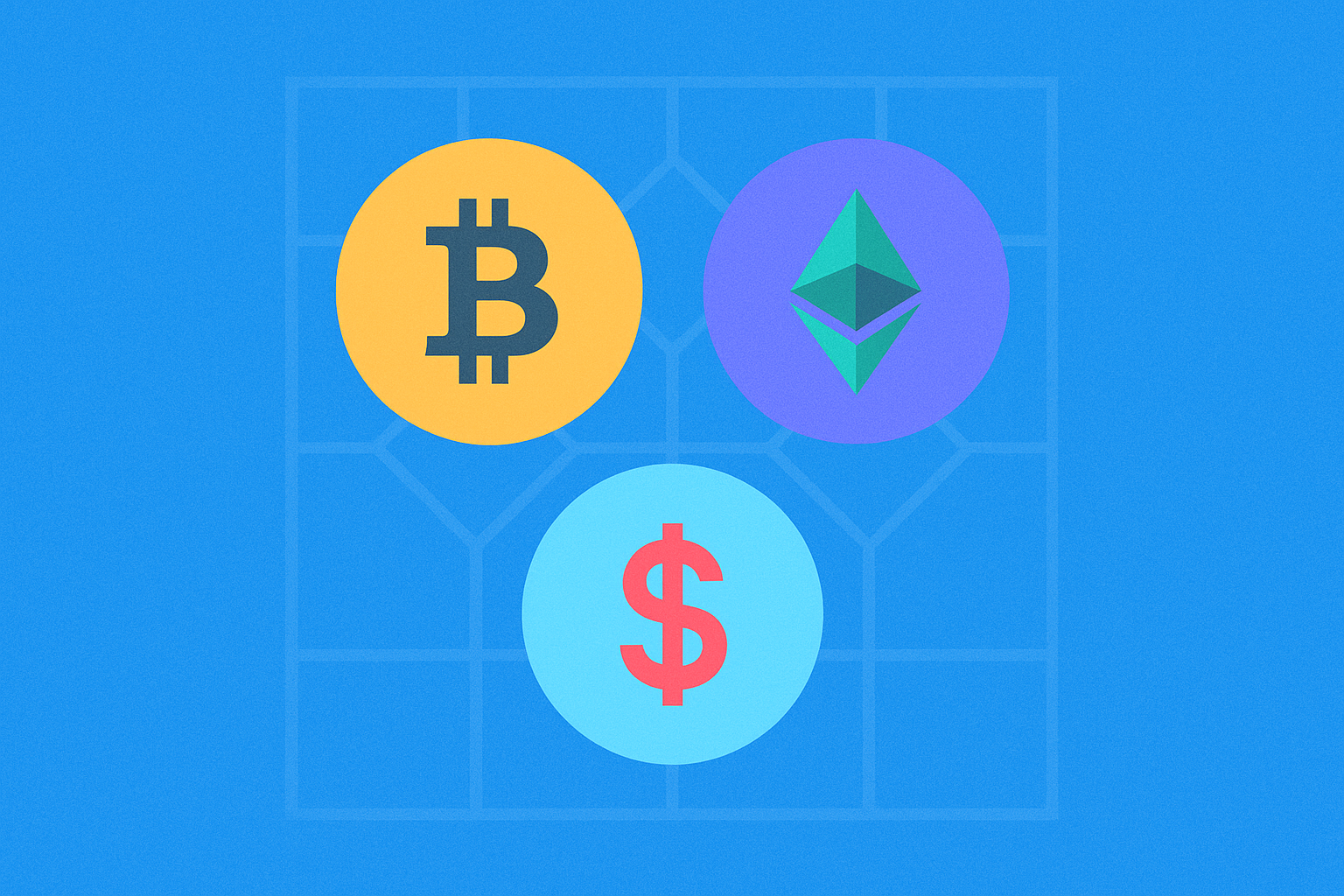
The Interconnected Nature of Cryptocurrency Markets

Have you ever noticed that all crypto exchanges seem to move up and down at the same time? This phenomenon can be puzzling for both experienced and novice traders alike. In the world of cryptocurrency trading, where volatility is king, the synchronous movement of prices across different exchanges can have a significant impact on trading strategies and market dynamics.

Unlike traditional financial markets, where different exchanges operate independently with distinct order books and liquidity pools, the cryptocurrency market operates as a highly interconnected global network. Prices on one exchange directly influence prices on another through a complex web of market participants, trading bots, and cross-exchange arbitrage mechanisms. This interconnectedness means that when a major price movement occurs on one platform, it rapidly propagates across the entire ecosystem within seconds or even milliseconds.

The 24/7 nature of cryptocurrency trading further amplifies this synchronization effect. With no closing bells or trading halts, market participants around the world continuously react to price changes, creating a perpetual feedback loop that reinforces synchronized movements across all major exchanges.

The Role of Arbitrage Trading

One of the main reasons why all crypto exchanges tend to move in sync is the practice of arbitrage trading. Arbitrage is a trading strategy where traders exploit price discrepancies between different exchanges to make risk-free profits. For example, if Bitcoin is trading at $50,000 on Exchange A but $50,200 on Exchange B, an arbitrage trader can simultaneously buy on Exchange A and sell on Exchange B, pocketing the $200 difference minus transaction fees.

This arbitrage activity serves as a powerful price equilibrium mechanism. When price discrepancies emerge between exchanges, arbitrage traders quickly step in to exploit these differences, which in turn narrows the price gap and brings exchanges back into alignment. The more liquid and efficient the market becomes, the faster these arbitrage opportunities are captured, resulting in tighter price synchronization across platforms.

Modern arbitrage trading has evolved beyond simple manual execution. Professional arbitrage firms now employ sophisticated infrastructure including co-located servers, high-frequency trading systems, and automated algorithms that can detect and execute arbitrage opportunities in microseconds. This technological advancement has significantly reduced the time window for price discrepancies to exist, leading to even tighter price correlation across exchanges.

Algorithmic Trading and Market Synchronization

The rise of algorithmic trading in the cryptocurrency market has fundamentally transformed how prices move across exchanges. Algorithms are designed to react quickly to market conditions and execute trades based on pre-set parameters, leading to rapid price movements that can cascade across multiple exchanges simultaneously.

These trading algorithms operate on various strategies including momentum trading, mean reversion, and market-making. When a significant price movement is detected on one exchange, momentum algorithms on other exchanges may interpret this as a signal to execute similar trades, creating a domino effect. For instance, if Bitcoin suddenly drops 2% on a major exchange, algorithms across other platforms may trigger sell orders, amplifying the downward movement across the entire market.

Market-making algorithms also contribute to price synchronization by continuously adjusting their bid-ask spreads based on prices observed across multiple exchanges. These algorithms aim to maintain competitive pricing while managing inventory risk, which naturally leads to price convergence across platforms. The prevalence of algorithmic trading means that human reaction time is no longer the limiting factor in price discovery—machines can now detect and respond to price changes across exchanges in milliseconds.

The Influence of Dominant Cryptocurrencies

The dominance of certain cryptocurrencies, particularly Bitcoin, Ethereum, and stablecoins like Tether (USDT), plays a crucial role in the synchronized movement of prices across all exchanges. Since these cryptocurrencies serve as the base trading pairs for many other altcoins, fluctuations in their prices can have a ripple effect on the entire market.

Bitcoin, often referred to as "digital gold," holds a market dominance that typically ranges between 40-50% of the total cryptocurrency market capitalization. When Bitcoin experiences a significant price movement, it often triggers correlated movements in altcoins across all exchanges. This correlation exists because many traders view Bitcoin as a market sentiment indicator—when Bitcoin rallies, it signals bullish market conditions, prompting traders to increase their positions in altcoins as well.

Ethereum, as the second-largest cryptocurrency and the foundation for most decentralized finance (DeFi) applications, also exerts considerable influence on market-wide movements. Major developments in the Ethereum ecosystem, such as network upgrades or changes in gas fees, can trigger synchronized price movements across exchanges as traders reassess their positions.

Stablecoins like USDT serve as the primary trading pair for most cryptocurrencies on exchanges, creating an additional layer of interconnection. When traders move in and out of positions, they typically do so through stablecoin pairs, which means that trading activity naturally synchronizes across exchanges that offer the same trading pairs.

Strategies for Navigating Synchronized Market Movements

So, how can traders navigate this phenomenon and make informed decisions in such a dynamic market? Understanding the synchronized nature of crypto exchanges is crucial for developing effective trading strategies and risk management approaches.

One fundamental approach is to diversify your trading across multiple exchanges, which can reduce the risk of being impacted by platform-specific issues such as technical outages, liquidity crunches, or sudden regulatory actions. By maintaining accounts and positions across several reputable exchanges, traders can ensure they have access to liquidity and trading opportunities even if one platform experiences disruptions.

Staying informed about market trends, news, and developments is essential for anticipating potential price movements. Major events such as regulatory announcements, institutional adoption news, macroeconomic data releases, and technological breakthroughs can trigger synchronized movements across all exchanges. By monitoring these catalysts, traders can position themselves advantageously before or during these market-wide movements.

Utilizing technical analysis tools that account for multi-exchange data can provide more robust trading signals. Rather than relying on price action from a single exchange, traders can analyze aggregated data from multiple platforms to identify genuine market trends versus exchange-specific anomalies. This approach helps filter out noise and focus on significant price movements that reflect true market sentiment.

Risk management becomes particularly important in a synchronized market environment. Since price movements can cascade rapidly across all exchanges, stop-loss orders and position sizing strategies should account for the potential for sudden, market-wide volatility. Traders should also be aware that during extreme market conditions, synchronized movements can lead to liquidity challenges across multiple platforms simultaneously.

In conclusion, the synchronous movement of prices across crypto exchanges is a complex phenomenon driven by factors such as market interconnectedness, arbitrage trading, algorithmic execution, and the dominance of certain cryptocurrencies. By understanding these dynamics and implementing informed trading strategies, traders can navigate this challenging environment and make strategic decisions to optimize their trading outcomes in the ever-evolving cryptocurrency market.

FAQ

Why do all cryptocurrency exchanges move up and down simultaneously?

Cryptocurrency prices move together because the market is highly correlated. Investor behavior, sentiment shifts, and macroeconomic factors affect all assets simultaneously. Market concentration and synchronized trading volume amplify these synchronized price movements across the entire crypto market.

Why do cryptocurrency prices remain synchronized across different exchanges?

Cryptocurrency prices stay synchronized across exchanges primarily through arbitrage bots that automatically buy at lower prices and sell at higher prices, eliminating price discrepancies and ensuring market price consistency.

How is global synchronization in the cryptocurrency market formed?

Cryptocurrency market synchronization is primarily driven by high correlation between major cryptocurrencies like Bitcoin and Ethereum. Their price movements directly influence the entire market. Additionally, global market sentiment, macroeconomic policies, and trading volume flows create interconnected price movements across all assets simultaneously.

How does arbitrage trading ensure price consistency across different exchanges?

Arbitrage traders buy at lower prices on one exchange and sell at higher prices on another, exploiting price differences. This continuous buying and selling activity naturally aligns prices across exchanges, ensuring consistency through market forces.

If exchange prices are out of sync, what happens and why does this occur rarely?

Price desynchronization creates arbitrage opportunities, but rapid market reactions, high trading volumes, and regulatory oversight quickly eliminate such gaps, making this scenario uncommon in modern cryptocurrency markets.

Is cryptocurrency price fluctuation caused by market manipulation or real supply and demand?

Cryptocurrency price movements are primarily driven by real supply and demand dynamics, market sentiment, and regulatory news. While market manipulation can occur, the decentralized nature of crypto markets makes large-scale manipulation difficult. Transaction volume, adoption trends, and macroeconomic factors play significant roles in price discovery.

Can I make money through price differences between exchanges?

Yes, crypto arbitrage can be profitable by exploiting price gaps across exchanges. Success requires fast execution, low fees, and careful risk management to capitalize on temporary price discrepancies.

* The information is not intended to be and does not constitute financial advice or any other recommendation of any sort offered or endorsed by Gate.

Share

Content

The Interconnected Nature of Cryptocurrency Markets

The Role of Arbitrage Trading

Algorithmic Trading and Market Synchronization

The Influence of Dominant Cryptocurrencies

Strategies for Navigating Synchronized Market Movements

FAQ

Related Articles
Top Decentralized Exchange Aggregators for Optimal Trading

Top Decentralized Exchange Aggregators for Optimal Trading

Exploring top DEX aggregators in 2025, this article highlights their role in enhancing crypto trading efficiency. It addresses challenges faced by traders, such as finding optimal prices and reducing slippage, while ensuring security and ease of use. A practical overview of 11 leading platforms is provided, with guidance on selecting the right aggregator based on trading needs and security features. Designed for crypto traders seeking efficient and secure trading solutions, the article emphasizes the evolving benefits of using DEX aggregators in the DeFi landscape.
2025-12-24
Top Crypto Trading Simulation Tools for Beginners

Top Crypto Trading Simulation Tools for Beginners

This article explores top crypto trading simulators designed to enhance traders' skills without financial risk. Perfect for beginners and experienced traders alike, these platforms mimic real crypto market conditions using virtual funds. Key topics include understanding the mechanics of trading simulators, their educational benefits, and detailed reviews of leading tools like Roostoo and Gainium tailored to various trading needs. The article guides you in selecting the right simulator based on ease of use, available features, and realistic market data, aiming to foster knowledge, experience, and disciplined trading approaches.
2025-12-02
Understanding Crypto Slippage: A Clear Explanation

Understanding Crypto Slippage: A Clear Explanation

The article provides a comprehensive understanding of crypto slippage, crucial for traders navigating the volatile cryptocurrency market. It explains slippage, its causes, and techniques to manage it effectively, ensuring optimized trading experiences. Readers will gain insights into controlling slippage through strategies like setting slippage tolerance, using limit orders, and focusing on liquid assets, particularly on platforms like Gate. Ideal for traders seeking to minimize losses and enhance decision-making, the article's structure allows easy comprehension and practical application, enhancing crypto trading efficiency. Keywords: crypto slippage, slippage tolerance, limit orders, Gate, volatility, liquidity.
2025-12-20
Understanding FUD in the Crypto World

Understanding FUD in the Crypto World

The article "Understanding FUD in the Crypto World" thoroughly explores the significance of FUD—fear, uncertainty, and doubt—within cryptocurrency trading. It sheds light on how FUD impacts market sentiment and trading decisions by spreading doubt through various channels, including social media and news outlets. The article describes when FUD occurs, highlights historical FUD events such as policy changes by influential figures, and examines how traders respond to these situations. It contrasts FUD with FOMO (fear of missing out) to provide insights into market psychology. Readers learn strategies to monitor and navigate FUD in their trading practices, making it essential for crypto investors seeking to understand market dynamics better.
2025-12-20
Decoding the KDJ Indicator: A Comprehensive Guide

Decoding the KDJ Indicator: A Comprehensive Guide

"Decoding the KDJ Indicator" is a comprehensive guide for traders and analysts, focusing on the KDJ as a short-term analysis tool in financial markets. It explains the indicator's components: K-line, D-line, and J-line, and their roles in identifying overbought and oversold conditions. The article highlights key usage rules and signals like Golden and Death Crosses, and divergence detection. It also discusses the practical application of KDJ in day trading and crypto markets, guiding readers on decision-making with it and addressing FAQs for deeper understanding. Suitable for traders seeking clearer insights into price movements and market sentiment.
2025-12-24
Effective Zero Cost Strategies for Risk Management

Effective Zero Cost Strategies for Risk Management

Explore effective no-cost strategies for cryptocurrency risk management, focusing on the zero-cost collar approach. This article discusses how buying put options and selling call options can protect against losses without upfront fees, while balancing potential gains. Learn the mechanics, benefits, and limitations of this strategy, tailored for traders keen on minimizing risks with Bitcoin and Ethereum on Gate. Ideal for those seeking customizable risk management tools without emotional trading disruptions, the guide offers insights into maximizing trading effectiveness while navigating market volatility.
2025-11-23
Recommended for You
What is BULLA coin: analyzing whitepaper logic, use cases, and team fundamentals in 2026

What is BULLA coin: analyzing whitepaper logic, use cases, and team fundamentals in 2026

BULLA coin introduces decentralized accounting and on-chain data management innovation built on BNB Smart Chain, eliminating intermediaries while ensuring real-time transaction verification. The platform addresses critical gaps in cryptocurrency infrastructure by embedding accounting logic directly into smart contracts, enabling transparent audit trails and regulatory compliance. Real-world applications include seamless transaction imports across multiple exchanges, comprehensive crypto portfolio tracking, and secure record-keeping for investors. Trade import tools enhance user experience by automating data categorization and consolidation. Founded in 2021 by blockchain architect Benjamin with support from experienced fintech designers and engineers, BULLA Networks demonstrates active development momentum with continuous smart contract iterations through early 2026. The 2026-2027 strategic roadmap prioritizes network infrastructure expansion and enhanced security protocols, positioning BULLA as a robust decen
2026-02-08
How does MYX token's deflationary tokenomics model work with 100% burn mechanism and 61.57% community allocation?

How does MYX token's deflationary tokenomics model work with 100% burn mechanism and 61.57% community allocation?

This article examines MYX token's innovative deflationary tokenomics, featuring a distinctive 61.57% community allocation and 100% burn mechanism. The community-focused distribution empowers token holders through MYX DAO governance while ensuring value flows back to ecosystem participants. The 100% burn mechanism systematically removes node-generated revenue from circulation, reducing the total supply from one billion tokens and creating genuine scarcity. This supply-driven deflation counters inflation pressures and strengthens long-term holder value without requiring external demand. The combination of broad community distribution and aggressive token elimination creates sustainable deflationary economics. Ideal for investors seeking to understand how MYX Finance aligns community interests with protocol success through structural value preservation and decentralized governance mechanisms on Gate exchange.
2026-02-08
What Are Derivatives Market Signals and How Do Futures Open Interest, Funding Rates, and Liquidation Data Impact Crypto Trading in 2026?

What Are Derivatives Market Signals and How Do Futures Open Interest, Funding Rates, and Liquidation Data Impact Crypto Trading in 2026?

This comprehensive guide decodes cryptocurrency derivatives market signals essential for 2026 trading success. Learn how futures open interest, funding rates, and liquidation data—such as ENA's $17 billion contract volume and $94 million daily position closures—reveal market sentiment and institutional positioning. The article explains how long-short ratios and liquidation heatmaps identify reversal opportunities, while options imbalance signals indicate smart money accumulation strategies. Discover why exchange outflows and funding rate extremes precede major price movements. From analyzing $46.45M ENA outflows to understanding leverage risks, this resource equips traders with actionable intelligence for predicting market turning points. Perfect for beginners and experienced traders leveraging Gate's analytics tools to navigate increasingly complex derivatives markets with informed entry and exit strategies.
2026-02-08
How do futures open interest, funding rates, and liquidation data predict crypto derivatives market signals in 2026?

How do futures open interest, funding rates, and liquidation data predict crypto derivatives market signals in 2026?

This article explores how three critical derivatives metrics—open interest exceeding $20 billion, funding rates shifting positive, and liquidation volume declining 30%—predict crypto derivatives market signals in 2026. The guide reveals institutional participation driving market maturation while positive funding rates signal strengthened bullish momentum. Long-short ratio stabilization at 1.2 with put-call ratio below 0.8 demonstrates sophisticated hedging strategies on Gate and other platforms. Reduced liquidation volumes indicate improved risk management and market resilience. By analyzing how these indicators combine—measuring position sizing, sentiment extremes, and forced selling pressure—traders gain precise tools for identifying trend reversals, leverage exhaustion, and market turning points with 55-65% AI-driven accuracy for 2026.
2026-02-08
What is a token economics model and how does GALA use inflation mechanics and burn mechanisms

What is a token economics model and how does GALA use inflation mechanics and burn mechanisms

This article explores GALA's innovative token economics model, examining how inflation mechanics and burn mechanisms create sustainable ecosystem growth. The guide covers GALA token distribution through 50,000 Founder's Nodes requiring 1 million GALA for 100% daily rewards, establishing long-term community participation. A dual-mechanism approach pairs controlled inflation with strategic annual supply reduction to establish deflationary pressure. The burn mechanism, powered by 100% transaction fee burning on GalaChain combined with NFT royalty enforcement averaging 6.1%, creates continuous supply reduction while incentivizing creator participation. Governance utility empowers node holders to vote on game launches through consensus mechanisms, transforming GALA holders into active stakeholders. Perfect for investors and ecosystem participants seeking to understand how GALA balances token scarcity with ecosystem vitality through integrated economic incentives and community governance on Gate.
2026-02-08
What is on-chain data analysis and how does it reveal whale movements and active addresses in crypto?

What is on-chain data analysis and how does it reveal whale movements and active addresses in crypto?

On-chain data analysis reveals cryptocurrency market dynamics by examining active addresses and transaction metrics that expose whale movements and investor behavior. This comprehensive guide explores how blockchain data serves as a critical market indicator, demonstrating the correlation between large holder activities and price movements—such as FLOKI's 950% surge in whale transactions. The article covers whale movement tracking, holder distribution patterns showing 73.47% concentration among major stakeholders, and on-chain fee trends as cycle indicators. Essential metrics include active addresses reflecting genuine network participation, transaction volumes revealing strategic positioning, and network congestion patterns during market cycles. By tracking these interconnected indicators through platforms like Glassnode and Gate, investors and traders can identify market sentiment shifts, anticipate price movements, and distinguish institutional activity from retail participation, making on-chain analysis i
2026-02-08