


What is Blockchain?

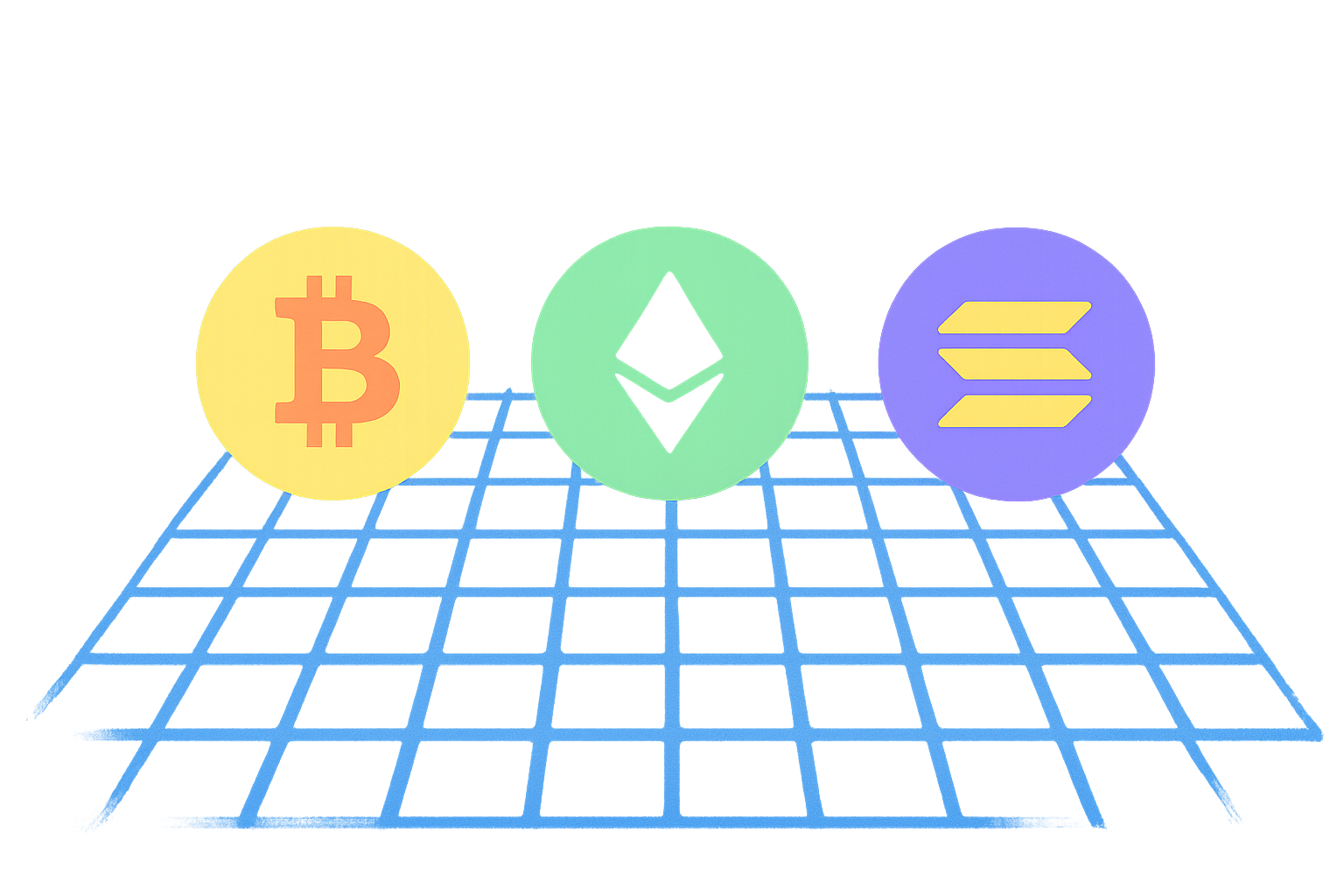
Understanding Blockchain Technology
In recent years, blockchain technology has emerged as one of the most revolutionary innovations since the internet itself. This comprehensive guide will walk you through everything you need to know about blockchain – from its fundamental concepts to real-world applications and future potential. By the end of this article, you will understand what blockchain is, how it works, its key features, and why it matters in our increasingly digital world.
What is blockchain in simple terms? Blockchain is a secure digital ledger that everyone can see but no one can alter. Instead of one person or company maintaining the information, copies of this ledger exist on many computers, making it extremely difficult for anyone to cheat or hack the system. This technology creates trust among people who don't know each other, without requiring intermediaries like banks or governments.
Blockchain is a decentralized digital ledger that records transactions across a network of computers. Think of it as a special type of database where information is stored in blocks that are linked together in a chain. Unlike traditional databases controlled by a single entity, blockchain distributes identical copies of this ledger to many computers (called nodes) in the network.
Blockchain technology works by grouping transactions into blocks, which are then cryptographically linked to previous blocks, creating an unbroken chain of data. Each block contains transaction data, a timestamp, and a unique cryptographic code called a hash that connects it to the previous block. Once information is recorded in a block and added to the chain, it becomes nearly impossible to change or delete it without altering all subsequent blocks and gaining consensus from the majority of the network.
What makes blockchain truly revolutionary is its ability to enable secure and transparent transactions without requiring a trusted third party like a bank or government to verify them. This creates a system where trust is built into the technology itself rather than relying on intermediaries.
History and Evolution of Blockchain
The story of blockchain technology begins with the publication of the Bitcoin whitepaper in 2008 by an anonymous person or group using the pseudonym Satoshi Nakamoto. This groundbreaking document introduced the concept of a peer-to-peer electronic cash system that would operate without requiring financial intermediaries.
A pivotal moment in blockchain history occurred on January 3, 2009, when the first block of the Bitcoin blockchain, known as the genesis block, was mined. This genesis block contained a message referencing the financial crisis: "The Times 03/Jan/2009 Chancellor on brink of second bailout for banks," embedding Bitcoin's creation in the context of criticism of the financial system.
The evolution continued with Ethereum, whose blockchain was officially launched when the first block of the Ethereum blockchain was mined on July 30, 2015. The addition of programmable smart contracts on Ethereum expanded blockchain beyond simple transactions into complex applications.
Blockchain technology was first adopted in government registries in 2016 when the Republic of Georgia implemented a blockchain-based land registry system. This represented one of the first official adoptions of the technology by a government.
The blockchain development timeline includes many other milestones, such as when LaborX, a blockchain-based freelancer platform, was officially launched in 2017, creating one of the first decentralized job marketplaces.
Over the years, blockchain has evolved from a niche technology understood by few to a global phenomenon with increasing mainstream adoption. Companies like Riot Blockchain and Argo Blockchain have become publicly traded entities focused on blockchain and cryptocurrency operations, while blockchain-related ETFs and investment opportunities have proliferated.
How Blockchain Works
To understand how blockchain functions, imagine a digital ledger that is duplicated thousands of times across a network of computers. This network is designed to regularly update and synchronize all these copies, ensuring they all contain identical information.
What is blockchain technology and how does it work? At its core, blockchain technology combines several existing concepts: distributed databases, cryptography, and consensus mechanisms. It works by creating a chain of information blocks where each new block contains a mathematically generated link to the previous block. This creates an unbroken sequence that becomes increasingly secure as the chain grows longer. Network participants verify each new addition, ensuring only valid information becomes part of the permanent record.
This process works through these key steps:
-
Recording Transactions: When someone initiates a transaction, it is broadcast to the network of computers (nodes).
-
Validation: Network participants validate the transaction using known algorithms. This verification process confirms the legitimacy of the transaction.
-
Block Formation: Verified transactions are grouped into a block. Each block contains multiple transactions, a timestamp, and a reference to the previous block.
-
Adding to the Chain: The new block is then cryptographically linked to the existing blockchain through a process that requires consensus among network participants. Different blockchain networks use various methods to achieve consensus, such as Proof of Work or Proof of Stake.
-
Immutability: Once added to the blockchain, the information becomes permanent and extremely difficult to change, as altering any block would require changing all subsequent blocks and gaining consensus from the majority of the network.
This design creates a transparent and chronological record of transactions that is secure and resistant to modification, making blockchain ideal for recording sensitive information and transactions.
Types of Blockchain Networks
Blockchain networks come in several forms, each designed for specific purposes and with varying levels of access and control. Understanding these types can help you appreciate the flexibility of blockchain technology.
Public Blockchains
Public blockchains are open networks that anyone can join. Bitcoin and Ethereum are the most well-known examples. These networks operate permissionlessly, meaning anyone can access the network, send transactions, and help maintain the blockchain by participating in the consensus process. Public blockchains prioritize decentralization and security, but may sacrifice some speed and efficiency.
Private Blockchains
Private blockchains restrict access to a specific group of participants. Unlike public blockchains, one organization controls who can join the network and what rights they have. These networks offer greater privacy and efficiency, but are more centralized. Businesses often use private blockchains for internal record-keeping and process management.
Permissioned Blockchains
Permissioned blockchains combine elements of public and private blockchains. While anyone may be able to view the blockchain, only authorized participants can add new blocks. This type is ideal for situations requiring both transparency and controlled access, such as in healthcare or government applications.
Consortium Blockchains
Consortium blockchains are managed by a group of organizations rather than a single entity. The selected organizations jointly maintain the blockchain, making decisions about participation and access rights. Industries with many stakeholders, such as banking or supply chain, often use consortium blockchains to facilitate collaboration while maintaining control.
Each type of blockchain network offers different benefits in terms of decentralization, efficiency, privacy, and control, allowing organizations to choose the approach that best fits their specific needs.
Major Blockchain Platforms
The blockchain ecosystem has expanded to include various platforms, each with unique features and capabilities. Here are some of the most significant blockchain platforms:
Bitcoin Blockchain
The Bitcoin blockchain is the first blockchain network and remains the most well-known. Created in 2009, it functions primarily as a peer-to-peer electronic cash system. The Bitcoin blockchain introduced the concept of a decentralized ledger and has the highest market capitalization among cryptocurrencies.
Ethereum Blockchain
The Ethereum blockchain revolutionized the blockchain landscape when it launched in 2015 by introducing programmable smart contracts. Unlike Bitcoin's focus on currency, the Ethereum blockchain is a platform for developing decentralized applications (dApps) and executing automated agreements.
Solana Blockchain
The Solana blockchain has gained popularity for its high-speed transaction processing and low costs. The Solana blockchain can process thousands of transactions per second, making it attractive for applications requiring high throughput such as trading platforms and gaming.
Polygon Blockchain
The Polygon blockchain operates as a "Layer 2" scaling solution for Ethereum, helping address congestion and high gas fees on Ethereum. The Polygon blockchain enables faster and cheaper transactions while maintaining compatibility with the Ethereum ecosystem.
Cardano Blockchain
The Cardano blockchain adopts a research-based approach, emphasizing peer-reviewed development and formal verification methods. The Cardano blockchain aims to balance security, scalability, and sustainability.
TON Blockchain
The TON blockchain (The Open Network) has attracted attention as Telegram pioneered a new era of blockchain with TON integration. Originally designed by the creators of the Telegram messaging app, the TON blockchain offers high throughput and has been integrated with Telegram's large user base.
Tron Blockchain
The Tron blockchain focuses on content sharing and entertainment applications. It aims to eliminate intermediaries between content creators and consumers, enabling direct rewards for creators.
Base Blockchain
The Base blockchain is a newer Ethereum Layer 2 solution developed by a major platform that offers low-cost transactions while maintaining Ethereum's security guarantees.
Sui Blockchain
The Sui blockchain is designed for asset-oriented applications with high transaction throughput, making it suitable for NFT and gaming applications.
Other notable projects include the Hive blockchain (focused on social media applications), Ripple (for financial institution settlement), and various specialized blockchains addressing specific industry needs.
Key Features and Benefits of Blockchain
Blockchain technology offers several unique advantages that make it valuable across various applications and industries.
Enhanced Security
Blockchain uses advanced cryptography to protect data. Its decentralized nature means there is no single point of failure that hackers can target. Each transaction is encrypted and linked to previous transactions, creating a highly secure chain of information. This security model makes blockchain extremely valuable for handling sensitive data and financial transactions.
Transparency and Traceability
Every transaction on a blockchain is recorded in a distributed ledger shared across the network. This creates an immutable audit trail where transactions can be easily tracked and verified. In supply chains, for example, blockchain can track products from manufacturer to consumer, ensuring authenticity and reducing fraud.
Improved Efficiency and Cost Reduction
By eliminating intermediaries and automating processes through smart contracts (self-executing agreements stored on blockchain), transactions can be completed faster and with lower administrative costs. This streamlining effect is particularly evident in cross-border transactions, which traditionally involve multiple intermediaries and significant processing time.
Trust Without Intermediaries
Perhaps the most revolutionary aspect of blockchain is its ability to build trust between parties who don't know each other, without requiring a central authority. The consensus mechanisms that validate transactions ensure that all parties can trust the information on the blockchain, removing the need for trusted third parties like banks, lawyers, or government agencies to verify transactions.
Data Integrity
Once data is recorded on a blockchain, it cannot be easily altered or deleted. This immutability ensures that records remain accurate and reliable over time, which is valuable for maintaining important documents, contracts, and transaction histories.
By combining these features, blockchain creates a secure, efficient, and transparent system for recording and verifying almost any type of transaction or information exchange.
Blockchain vs. Cryptocurrency
Many people confuse blockchain with cryptocurrency, but understanding this distinction is crucial. Blockchain is the underlying technology that enables the existence of cryptocurrency, while cryptocurrency is just one application of blockchain technology.
Blockchain is a distributed ledger technology that securely records transactions across a decentralized network. It is essentially a specific type of database structure that can be used for various purposes beyond digital currency. Think of blockchain like the internet, which serves as the foundation for various applications.
Cryptocurrency is digital or virtual currency that uses cryptography for security and operates on blockchain networks. Bitcoin, the first and most famous cryptocurrency, was created to demonstrate blockchain's potential as a decentralized payment system. Other cryptocurrencies like Ethereum, Ripple, and thousands of others have emerged since then, each with their specific features and purposes.
To explain this relationship: blockchain is the technology, while cryptocurrency is a product created using that technology. As one expert explained, "Blockchain is to Bitcoin what the internet is to email. A large electronic system on top of which you can build applications. Currency is just one of them."
Beyond cryptocurrency, blockchain has numerous other applications, from supply chain management to voting systems to digital identity verification. Understanding this distinction helps clarify why blockchain's potential extends far beyond the world of digital currency and why it is considered such a revolutionary technology.
The crypto blockchain relationship can be confusing. While Bitcoin was the first blockchain implementation, today's blockchain ecosystem encompasses thousands of projects with various purposes. Ethereum brought programmable smart contracts to blockchain, enabling complex applications beyond simple value transfer. Smart contracts are self-executing agreements with terms written directly into code. They automatically enforce and execute contract terms when specific conditions are met, eliminating the need for intermediaries in many business processes.
Real-World Applications of Blockchain
Blockchain technology has evolved far beyond cryptocurrency, finding practical applications across various industries. Here are some of the most impactful uses:
Finance and Banking
Banks and financial institutions are exploring blockchain to improve back-office settlement systems, speed up transaction verification, and reduce costs. By eliminating intermediaries, blockchain enables faster international transfers and reduces settlement times from days to minutes. It also improves efficiency in trade finance, securities trading, and loan processing.
Supply Chain Management
Companies like Walmart and IBM have implemented blockchain to track products from source to consumer. This technology provides unprecedented visibility through the entire supply chain, enabling companies to verify ethical sourcing, identify inefficiencies, and quickly trace contaminated food products during outbreaks.
Healthcare
Blockchain secures patient data while facilitating record sharing among providers. It maintains privacy while ensuring that critical health information is available when needed. The technology also helps track pharmaceutical supply chains, enabling verification of drug authenticity and reducing counterfeit medications.
Real Estate
Property transactions involve extensive paperwork, third-party verifications, and public records. Blockchain can streamline this process by securely storing property records, verifying ownership, reducing fraud, and speeding up ownership transfers. It reduces both time and costs associated with real estate transactions.
Voting Systems
Electronic voting systems built on blockchain can improve security, prevent fraud, and potentially increase voter participation. Each vote is recorded as a transaction, creating an immutable record that ensures election integrity. Several pilot programs have tested this application in various regions.
Identity Management
Blockchain provides secure and self-sovereign digital identities that can be controlled by individuals. This is especially valuable for the 1.4 billion people worldwide who lack official identification, giving them access to financial services and other essential systems.
These examples demonstrate blockchain's versatility beyond cryptocurrency and highlight why industries are actively exploring and implementing this technology to solve longstanding challenges.
Challenges in Blockchain Technology
Despite its potential, blockchain technology faces several significant challenges that must be addressed for widespread adoption.
Scalability Issues
Most blockchain networks process transactions far more slowly than traditional payment systems. For example, Bitcoin can handle about 7 transactions per second, while the Visa network can process up to 65,000 transactions per second. This limitation becomes a major barrier for applications requiring high transaction volumes.
Energy Consumption
The Proof-of-Work consensus mechanism, used by networks like Bitcoin, requires enormous computational power and energy. Bitcoin mining alone consumes more electricity than entire countries like Pakistan. This environmental impact has raised concerns about blockchain's sustainability, although newer consensus mechanisms like Proof-of-Stake are far more energy-efficient.
Regulatory Uncertainty
As blockchain adoption grows, governments worldwide are struggling to regulate this technology. The lack of clear regulatory frameworks creates uncertainty for businesses and investors. Regulations vary widely between jurisdictions, making compliance complicated for international blockchain projects.
Technical Complexity
For many potential users, blockchain remains difficult to understand and use. The technical knowledge required creates a barrier to entry, especially for small businesses or individual users who lack specialized expertise. User-friendly interfaces and simplified implementations are needed to make blockchain more accessible.
Integration Challenges
Implementing blockchain often requires significant changes to existing systems and processes. The challenge of integrating blockchain with legacy systems while maintaining operations can be daunting for established organizations.
Interoperability
Different blockchain networks often cannot easily communicate with each other. This lack of standardization and interoperability limits blockchain's effectiveness across systems and prevents the creation of a seamless blockchain ecosystem.
Addressing these challenges requires ongoing innovation, collaboration among stakeholders, and thoughtful regulatory approaches. Progress is being made, with new solutions emerging to address scalability, energy efficiency, and usability issues.
The Future of Blockchain Technology
The future of blockchain technology looks promising as innovations continue to address current limitations and expand potential applications. Several key trends are shaping blockchain's evolution:
Increased Interoperability
Emerging projects are focusing on connecting different blockchain networks, enabling them to communicate and share data seamlessly. These advances will allow blockchains to work together rather than exist as isolated systems, significantly expanding the technology's utility and reach.
Integration with Other Technologies
The combination of blockchain with artificial intelligence, Internet of Things (IoT), and machine learning is creating powerful new applications. For example, in supply chain management, blockchain ensures product traceability while AI analyzes data to optimize logistics. This convergence of technologies opens up new capabilities beyond what any single technology could achieve.
Scalability Solutions
Innovations such as sharding, binary large objects (BLOBs), and rollups are being developed to improve transaction speed and reduce network congestion. These improvements aim to make blockchain more practical for high-volume applications like global payment systems.
Enterprise Adoption
Large companies across industries are moving beyond exploratory blockchain pilots toward full implementation. In the coming years, blockchain technology is expected to add significant business value across sectors such as finance, healthcare, manufacturing, and retail.
Regulatory Evolution
As blockchain matures, clearer regulatory frameworks are emerging worldwide. This regulatory clarity will likely accelerate adoption by providing the certainty businesses need for major investments in blockchain infrastructure.
Sustainability Focus
Environmental concerns are driving a shift toward more energy-efficient consensus mechanisms, with many new blockchains adopting Proof-of-Stake compared to energy-intensive Proof-of-Work systems. This transition addresses one of the biggest criticisms of blockchain.
While it's difficult to predict exactly how blockchain will evolve, the technology has moved beyond the hype phase and is now focused on delivering practical value. As technical limitations are addressed and use cases mature, blockchain is positioned to become as fundamental to business operations as the internet is today.
Blockchain Tools and Resources
To interact with and understand blockchain networks, several essential tools and resources have been developed:
-
Blockchain Explorers are web-based tools that allow users to view and search blockchain transactions. The Solana blockchain explorer, for example, enables users to track transactions, account activity, and token movements on the Solana network. Similarly, explorers exist for Bitcoin, Ethereum, and nearly all public blockchains, providing transparency over blockchain operations.
-
Blockchain Information (now Blockchain.com) is one of the oldest and most popular blockchain data providers, offering wallet services, explorer functions, and market information primarily for Bitcoin and Ethereum.
-
Blockchain Wallet services allow users to store, send, and receive cryptocurrencies. These digital wallets provide an interface between users and blockchain networks, managing the cryptographic keys needed for blockchain transactions.
-
Blockchain Transaction verification is a critical process where new transactions are validated and added to the blockchain. Understanding how transactions progress—from initiation to confirmation—is fundamental to grasping blockchain technology.
-
Blockchain NFT platforms like Treasure NFT blockchain have emerged as specialized marketplaces for non-fungible tokens, representing unique digital assets. These platforms enable the creation, buying, selling, and trading of digital collectibles, artwork, and other unique items with provable ownership.
-
Blockchain Support resources vary based on platform. Major providers offer blockchain support numbers and help centers to assist users with technical issues. However, due to the decentralized nature of public blockchains, support is often community-based through forums and knowledge bases.
-
Blockchain Analytics tools like those provided by Siam Blockchain and other analytics companies help track market trends, monitor network health, and provide insights into blockchain activity.
Getting Started with Blockchain
For those interested in exploring blockchain technology, there are several accessible ways to begin your journey:
-
Understand the Basics: Start by building a solid understanding of blockchain fundamentals through online courses, tutorials, and educational resources. Platforms like various crypto education blogs offer beginner-friendly articles about blockchain technology.
-
Create a Cryptocurrency Wallet: Experience blockchain firsthand by setting up a digital wallet for cryptocurrency. Wallets like MetaMask, Trust Wallet, or similar platforms provide user-friendly interfaces for interacting with blockchain networks. Even without purchasing cryptocurrency, you can explore how these wallets work and understand the basics of blockchain transactions.
-
Explore Blockchain Explorers: Blockchain explorers are websites that allow you to view transactions on public blockchains. Sites like Etherscan (for Ethereum) or similar explorers (for Bitcoin) enable you to search and examine real blockchain transactions, addresses, and blocks to see how information is recorded.
-
Join Blockchain Communities: Engage with blockchain enthusiasts and professionals through forums, social media groups, and local meetups. Communities like blockchain subreddits or blockchain groups on LinkedIn provide spaces to ask questions, share knowledge, and stay updated on developments.
-
Try Blockchain Applications: Many blockchain applications are available for everyday use. Try decentralized applications (dApps), blockchain-based games, or NFT marketplaces to see practical implementations of the technology.
-
Consider Developer Resources: If you're technically inclined, try blockchain development tutorials and frameworks. Platforms like Ethereum developer portals or Hyperledger resources provide tools for creating simple blockchain applications.
Remember that blockchain technology is still evolving, so maintaining curiosity and continuing to learn is key to staying informed about this dynamic field.
Conclusion
Blockchain technology represents one of the most significant innovations of our time, transforming how we build trust in the digital world. From its origins with Bitcoin to its expansion across finance, supply chain, healthcare, and beyond, blockchain's security, transparency, and efficiency are revolutionizing how we record and verify information.
While challenges such as scalability and energy consumption exist, rapid innovation continues to address these limitations. Whether you're interested in cryptocurrency investment or curious about blockchain's impact across various industries, understanding these fundamentals provides valuable insights into the future of digital transactions.
The technology has moved beyond the experimental phase and is now delivering real-world value across multiple sectors. As technical barriers are overcome and regulatory frameworks mature, blockchain is poised to become as fundamental to our digital infrastructure as the internet itself. The journey of blockchain technology is far from over, and its continued evolution promises to reshape how we interact, transact, and trust in the digital age.
FAQ
What is Blockchain? What are the basic definition and working principles of blockchain?
Blockchain is a distributed ledger technology using consensus mechanisms to ensure data security and immutability. Each block contains data and the hash of the previous block, creating an unbreakable chain verified by network participants.
What are the main characteristics of blockchain? Why is blockchain considered decentralized?
Blockchain's main features are decentralization, immutability, and transparency. It is decentralized because it operates on a distributed network without a single controlling entity, with data validated across multiple nodes.
What are the real-life application scenarios of blockchain?
Blockchain is applied in finance, supply chain management, healthcare, voting systems, and digital identity verification. It enables secure transactions, transparent record-keeping, smart contracts, and decentralized solutions across industries.
What is the difference between blockchain and Bitcoin?
Blockchain is a distributed ledger technology with multiple applications, while Bitcoin is the first cryptocurrency built on blockchain. Blockchain enables various uses beyond payments, whereas Bitcoin primarily functions as a digital currency for transactions.
What is a smart contract? What is its relationship with blockchain?
A smart contract is a self-executing program running on blockchain that automatically enforces agreement terms without intermediaries. It relies on blockchain's immutable, distributed network to ensure transparency and security, making smart contracts a core application of blockchain technology.
How is blockchain security ensured? What is the principle of using encryption technology?
Blockchain security is guaranteed through consensus mechanisms and cryptographic algorithms. Consensus mechanisms ensure node consistency, while asymmetric encryption protects data integrity and privacy, making tampering virtually impossible.

Top Decentralized Exchange Aggregators for Optimal Trading

Exploring the Evolution and Future of Blockchain-Powered Gaming
A Comprehensive Guide to Tokenizing Real-World Assets
Choosing Your Ideal Digital Wallet in 2025: A Starter's Guide
What is tokenomics and how does token distribution allocation work in crypto projects?
What is Avalanche (AVAX): A Complete Fundamentals Analysis of Whitepaper Logic, Use Cases, and Technical Innovation

What is BULLA coin: analyzing whitepaper logic, use cases, and team fundamentals in 2026

How does MYX token's deflationary tokenomics model work with 100% burn mechanism and 61.57% community allocation?

What Are Derivatives Market Signals and How Do Futures Open Interest, Funding Rates, and Liquidation Data Impact Crypto Trading in 2026?

How do futures open interest, funding rates, and liquidation data predict crypto derivatives market signals in 2026?

What is a token economics model and how does GALA use inflation mechanics and burn mechanisms
