


What Is Blockchain?
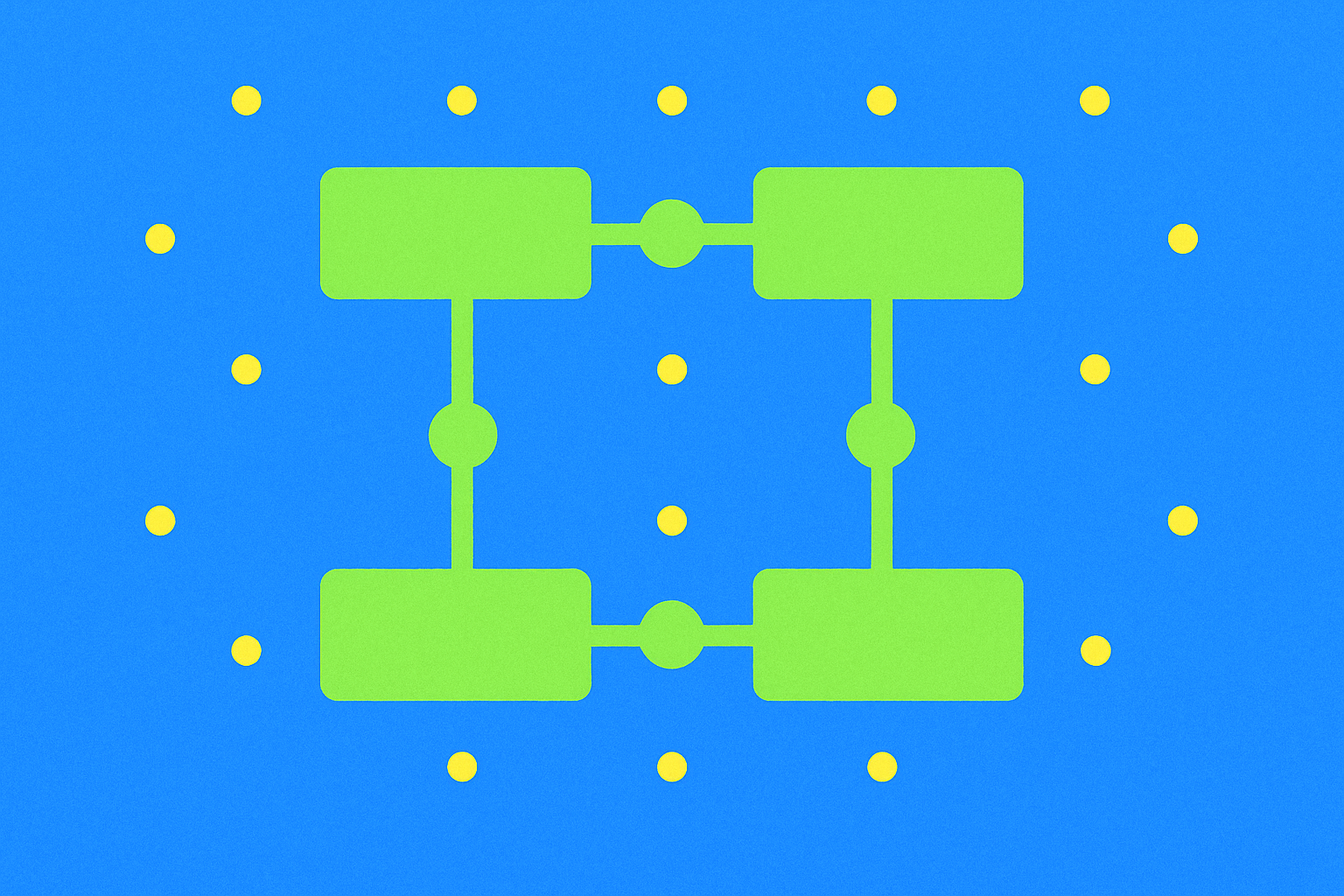
The Structure of Blockchain: Why Blocks and Chains Are Indispensable
Blockchain is a decentralized protocol system—a distributed database designed to permanently store verified transaction records within blocks. Acting as a digital ledger, the system automatically generates a backup every time users access their accounts through computers around the world.
What we call “blocks” are, in essence, these backups. Each backup forms a distinct block, and these blocks are linked together in a “chain.” Blockchain data continues to grow and remains accessible to anyone online, creating a transparent and publicly accessible information network.
Key features of blockchain include decentralization, anonymity, immutability, uniqueness of value, and support for smart contract execution. This digital technology holds great promise for a wide range of applications. Since the 1990s, when the first blockchain prototypes appeared, the technology has been used to safeguard digital files. As real-world value continues to be unlocked, blockchain has become a major tech trend in recent years, fueling the rise of cryptocurrencies like Bitcoin.
Most cryptocurrency networks use blockchain systems to achieve decentralization and permanent record distribution. The operation and upkeep of blockchain require specialized mechanisms, with “nodes” and “anti-tampering mechanisms” playing central roles.
Nodes: The Fundamental and Critical Mechanism of Blockchain Networks
Running a full node is the only way to fully use blockchain, and every node must strictly comply with all blockchain rules. This is essential to maintain the integrity and security of the entire system.
Blockchain transactions are inherently peer-to-peer (P2P). Any computer worldwide can operate as a node by joining the blockchain network. Each node independently maintains a copy of the blockchain, ensuring the network’s continued operation and security.
Nodes serve as both supervisors and validators, constantly reviewing and confirming new transactions. When a transaction is submitted, a majority of nodes must confirm it before it is added to the blockchain. This consensus process ensures no single entity can control or manipulate the system.
As a result, nodes are considered the core mechanism that enables blockchain to achieve decentralization and censorship resistance. The greater the number of participating nodes, the more secure and decentralized the network becomes.
Immutability: The Core Data Technology Powering Blockchain
Immutability means that once data is recorded on the blockchain, it cannot be tampered with or altered. This is one of the most valuable properties of blockchain technology.
This is possible because blockchain operates on the Proof of Work (PoW) consensus mechanism, which ensures the network’s continuous and secure operation. Each new block added to the chain contains the hash of the previous block, creating an unbreakable sequence.
If a node attempts to compromise the system or modify block data, the immutability mechanism immediately detects and stops it. To alter a confirmed transaction, an attacker would have to change not just the affected block, but every subsequent block in the chain—a virtually impossible feat for large public blockchains.
Because of this, immutability has become a critical mechanism for deploying blockchain technology in financial systems and any field where transparent, unchangeable data is essential.
Advantages of Blockchain
Compared to traditional networks, decentralized systems like blockchain offer significantly enhanced security. The system synchronizes operations in real time, establishing a robust defense against cyber threats.
This makes it far more costly and difficult for conventional hackers to breach these networks. To compromise a blockchain, a hacker would need to control at least 51% of the total network computing power—a prohibitively expensive and complex undertaking for major blockchains. This is why blockchain is regarded as one of the most secure types of databases available today.
One of blockchain’s founding design principles is to prevent any record from being altered after it is written. Strong hash encryption further strengthens resistance to attacks and guarantees data integrity.
Blockchain’s use cases go far beyond finance. Many industries can benefit from blockchain technology, especially those requiring transparency and traceability, such as supply chain management, healthcare, real estate, and identity management.
Blockchain systems maintain data integrity, improve efficiency by eliminating manual processes, and reduce costs by removing unnecessary intermediaries. This results in a more transparent and efficient business ecosystem.
Technical Drawbacks of Blockchain
It's important to recognize that blockchain technology is still in the R&D phase and far from widespread, large-scale deployment. While many patents have been issued, few actual blockchain products have reached the market or mainstream users.
Key technical challenges include scalability (scalability), slower transaction processing compared to traditional systems, and the high energy consumption associated with some consensus mechanisms like Proof of Work. These limitations must be addressed for blockchain to achieve global adoption.
We are currently in the blockchain 2.0 era, but there is still a long way to go before reaching blockchain 3.0, which would deliver faster processing, lower energy consumption, and greater interoperability between blockchains.
Economic Drawbacks of Blockchain
Blockchain’s economic downsides are most evident in financial speculation. At this stage, digital asset speculation is common, and investor losses are not rare. While some have profited through professional crypto exchanges, risk levels remain high.
The extreme price volatility of cryptocurrencies creates a high-risk environment for investors, especially those lacking experience. This can result in significant losses and erode confidence in blockchain technology overall.
To realize its true benefits, major economic players must invest in and adopt blockchain. Yet, most companies are still hesitant—returns on blockchain investments remain unproven, causing many businesses to delay large-scale adoption.
Legal Drawbacks of Blockchain
Blockchain’s decentralized nature offers resistance to government overreach, but it also means no government can be directly responsible for the system.
If security gaps or attacks occur, users cannot expect government intervention or legal protection as they would with traditional systems. This creates a legal gray area and leaves users vulnerable.
Additionally, blockchain’s anonymity can be abused for illegal activities such as money laundering, illicit trade, and terrorist financing. Regulators face the challenge of balancing user privacy with the need to prevent crime.
The absence of a clear, unified global legal framework also creates uncertainty for businesses and investors entering the blockchain space.
Summary
Many experts believe blockchain holds long-term technological potential, promising substantial benefits for future society. It is poised to revolutionize how we store, share, and secure information.
Currently, blockchain’s impact is widely recognized in projects plagued by low reliability and high intermediary costs. Its ability to deliver transparency, lower transaction fees, and eliminate unnecessary intermediaries makes it an attractive solution across multiple sectors.
However, achieving blockchain’s full potential requires collaboration among all stakeholders—technology developers, businesses, regulators, and end users. Only through collective effort can we overcome present challenges and build a sustainable, valuable blockchain ecosystem for society.
FAQ
What Is Blockchain and How Does It Work?
Blockchain is a distributed, secure ledger for information recording. It stores data as linked blocks and ensures consensus among participants. All changes are transparently logged and backed up across the entire network.
What Practical Applications Does Blockchain Have Beyond Cryptocurrency?
Blockchain is used for product origin tracking, supply chain management, data security, copyright registration, and asset management. It eliminates intermediaries and boosts transparency across industries.
How Is Blockchain Different from Traditional Databases?
Blockchain stores data in linked, encrypted blocks, making tampering far more difficult. Traditional databases rely on centralized tables, which are more vulnerable to attacks and changes.
Is Blockchain Secure, and How Is Data Protected?
Blockchain is secure due to decentralization and cryptographic encryption. Protect your data by using secure wallets, enabling two-factor authentication, safeguarding private keys, and following best security practices.
Where Can I Start Learning About Blockchain?
You can study blockchain on online platforms like Coursera, Udemy, and edX. Courses from universities such as Princeton and Stanford cover everything from foundational concepts to advanced blockchain and cryptocurrency topics.

Top Decentralized Exchange Aggregators for Optimal Trading
Choosing Your Ideal Digital Wallet in 2025: A Starter's Guide
A Comprehensive Guide to Tokenizing Real-World Assets

Exploring the Evolution and Future of Blockchain-Powered Gaming
What is tokenomics and how does token distribution allocation work in crypto projects?
What is Avalanche (AVAX): A Complete Fundamentals Analysis of Whitepaper Logic, Use Cases, and Technical Innovation

What is BULLA coin: analyzing whitepaper logic, use cases, and team fundamentals in 2026

How does MYX token's deflationary tokenomics model work with 100% burn mechanism and 61.57% community allocation?

What Are Derivatives Market Signals and How Do Futures Open Interest, Funding Rates, and Liquidation Data Impact Crypto Trading in 2026?

How do futures open interest, funding rates, and liquidation data predict crypto derivatives market signals in 2026?

What is a token economics model and how does GALA use inflation mechanics and burn mechanisms
