


What Is Blast?
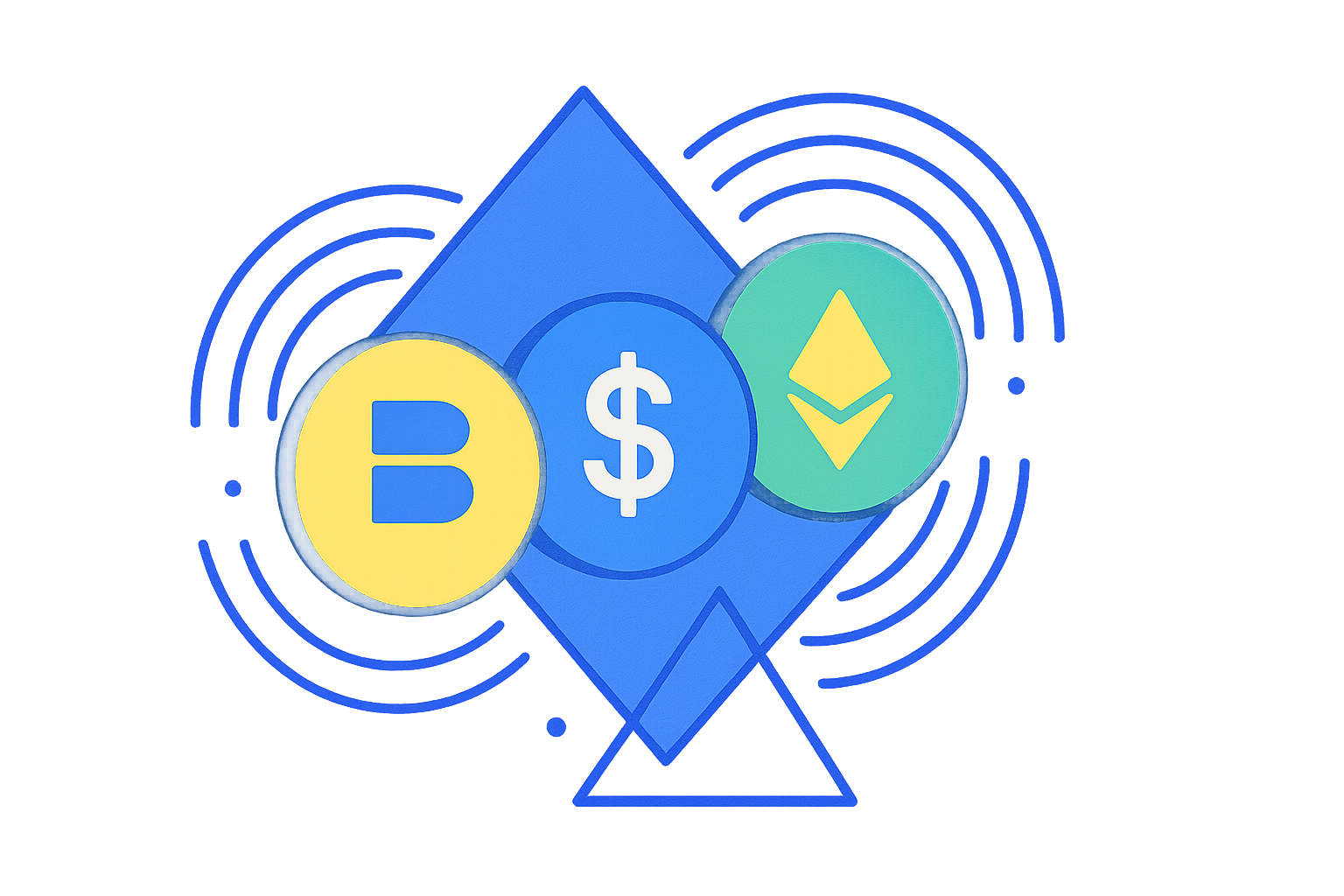
Introduction to Blast
Blast is an EVM-compatible Layer 2 blockchain network designed to generate native yield for its users. Led by the pseudonymous co-founder @PacmanBlur, Blast has successfully raised over $20 million from prominent investors including Paradigm and Standard Crypto. The platform has gained significant attention in the blockchain community due to its innovative approach to yield generation and operational efficiency.
Since its launch, the project has attracted substantial capital, with investors depositing millions of ether (ETH) and stablecoins. Total deposits have exceeded $1.3 billion, demonstrating strong market confidence. Users who deposit ETH on Blast not only earn yields but also accumulate BLAST points, which enhance the initial deposit value over time and provide airdrop rewards. These points can be earned through deposits and referrals, and will be redeemable in the near future.
Furthermore, users bridging stablecoins to the platform receive Blast's auto-rebasing stablecoin, USDB, which derives its yield from MakerDAO's T-Bill protocol. This mechanism offers an attractive opportunity for investors looking to maximize returns on their digital assets while maintaining exposure to stable value.
How Does Blast Work?
Blast's ability to generate ETH yield income for decentralized finance (DeFi) users is fundamentally rooted in the concept of ETH staking. On the main Ethereum network, users can lock their tokens temporarily to aid in the validation of Ethereum transactions, a process essential for maintaining network security and consensus.
This process, known as ETH staking, plays a crucial role in securing the network, enhancing liquidity efficiency, and maintaining Ethereum's price stability. As a reward for providing this vital service, stakers earn significant interest on their locked tokens. The staking mechanism not only benefits individual users but also strengthens the overall Ethereum ecosystem.
Traditionally, crypto users must manage staking individually, handling the technical complexities and requirements on a case-by-case basis. However, Blast simplifies this process by managing staking operations within its ecosystem, making it a Layer 2 solution with native yield generation capabilities. As the network operates, it automatically bridges assets to the Ethereum main chain, where they are staked to earn interest through established protocols.
Smart contracts within Blast's system collect this generated interest and seamlessly transfer it back to the Blast network. This interest is then redistributed to users in the form of ETH and stablecoins, offering a streamlined and efficient way to earn passive income from digital assets without the need for active management or technical expertise.
What Makes Blast Different?
Blast distinguishes itself through several key innovations that set it apart from other Layer 2 solutions. The platform's ability to integrate ETH staking directly into its infrastructure automates the yield generation process, enabling users to earn returns without manually managing staking operations themselves. This represents a significant advancement in user experience and accessibility.
As a Layer 2 network, Blast offers substantially faster transaction speeds and more cost-effective operations compared to the Ethereum main chain. This efficiency makes it particularly attractive for users who conduct frequent transactions or interact with DeFi protocols regularly. The reduced gas fees and improved throughput address two of the most significant pain points in Ethereum usage.
The platform features an innovative auto-rebasing stablecoin, USDB, which generates stable yields derived from MakerDAO's T-Bill protocol. This mechanism provides users with predictable returns while maintaining the stability characteristics essential for a reliable stablecoin. The automated processes for staking and interest distribution ensure that users receive a seamless experience without requiring constant monitoring or manual intervention.
Blast boasts strong financial backing, having raised over $20 million from respected investors like Paradigm and Standard Crypto. This institutional support provides both credibility and resources for long-term development. Users are further incentivized through the engaging BLAST points system, which rewards participation and can be redeemed for various benefits in the near future.
By integrating ETH staking at the protocol level, Blast also contributes to enhancing Ethereum's overall network security while promoting the core principles of DeFi: decentralization, transparency, and efficiency. This alignment with fundamental blockchain values positions Blast as not just a financial tool but as a contributor to the broader ecosystem.
What Are The Advantages Of Blast?
Blast offers numerous advantages that make it an attractive platform for DeFi users and investors:
-
Automated Yield Generation: Blast simplifies the process of earning yields through integrated ETH staking, eliminating the need for users to manage complex staking operations manually.
-
Layer 2 Efficiency: The platform delivers faster transaction processing and significantly lower fees compared to Ethereum's main chain, making it cost-effective for regular users.
-
Stable Yield Source: Users receive USDB, an auto-rebasing stablecoin that offers stable yields derived from MakerDAO's T-Bill protocol, providing predictable returns.
-
Streamlined User Experience: Automated processes for staking and reward distribution create a frictionless experience, allowing users to focus on their investment strategies rather than technical management.
-
Strong Financial Support: The platform is backed by substantial funding from reputable investors like Paradigm and Standard Crypto, ensuring resources for continued development and security.
-
Engaging Rewards System: The BLAST points system incentivizes user participation through deposits and referrals, creating a community-driven growth model.
-
Network Security Contribution: By integrating ETH staking, Blast contributes to enhancing Ethereum's overall network security and stability.
-
Aligned with DeFi Principles: The platform promotes fundamental blockchain values including decentralization, transparency, and operational efficiency.
What Are The Top Blast Coins?
At present, the Blast ecosystem is still in its early stages of development, with the mainnet having launched in recent times. This means that investment options within the ecosystem are currently limited but growing. Below is a list of notable tokens on the Blast network, along with a brief overview of each project:
-
BlastUP ($BLP) – Considered one of the most prominent projects on the Blast network, with its presale having raised over $5 million, demonstrating strong community interest.
-
USDB (USDB) – The official stablecoin backing the Blast network, offering attractive annual percentage yields through its integration with MakerDAO's protocol.
-
PacMoon (PAC) – An innovative project where content creators earn tokenized rewards when posting on social media platforms, bridging social engagement with crypto incentives.
-
Blast Pepe (BEPE) – The first meme coin in the Blast ecosystem, featuring a nano-cap valuation and community-driven growth model.
-
Orbit Protocol (ORBIT) – An open-sourced and non-custodial lending protocol operating on the Blast network, providing decentralized borrowing and lending services.
-
Juice Finance (JUICE) – A protocol designed to maximize decentralized yields with leveraged positions on stablecoin deposits, offering up to 3x leverage for experienced traders.
-
BlastCat (BCAT) – A cat-themed meme coin that aims to build long-term utility for token holders beyond speculative trading.
As the Blast ecosystem matures, more projects and tokens are expected to launch, expanding the range of investment and participation opportunities available to users.
Does Blast Have a Future?
With its innovative applications in decentralized finance (DeFi), Blast demonstrates significant potential for long-term success and impact. The platform's focus on generating automatic yields through ETH staking and supporting stablecoin integration addresses real user needs in the crypto space, providing tangible value beyond speculative trading.
The platform delivers substantial benefits by operating as a Layer 2 network, offering swift transaction processing and lower operational costs compared to the Ethereum main chain. These efficiency improvements make Blast competitive in an increasingly crowded Layer 2 landscape. Furthermore, the platform has received substantial investments from reputable institutional investors, providing both financial resources and credibility that support robust development.
Active community support represents another strong asset fueling Blast's growth trajectory. The BLAST points system and other incentive mechanisms have successfully attracted and engaged users, creating a foundation for organic network effects. However, to ensure long-term sustainability and impact, Blast must continue to uphold and enhance its security measures, as the platform's success depends on maintaining user trust.
Attracting and retaining users in a competitive market will require ongoing innovation and responsiveness to user needs. The platform must also demonstrate flexibility in adapting to market changes, regulatory developments, and evolving user preferences. The ability to iterate quickly and incorporate feedback will be crucial for maintaining relevance.
Nevertheless, with sustained commitment and continuous development efforts, Blast has the potential to play a significant role in shaping the future of DeFi. By providing accessible yield generation, efficient transactions, and alignment with core blockchain principles, the platform could contribute positively to the advancement of the broader blockchain industry and help drive mainstream adoption of decentralized financial services.
FAQ
What is Blast? How does it work?
Blast is an Ethereum Layer 2 blockchain that combines low fees with native yield. It automatically generates yield on ETH and stablecoins without user action, while offering fast transactions and seamless EVM compatibility for decentralized applications.
What is the difference between Blast and other Layer 2 solutions such as Arbitrum and Optimism?
Blast distinguishes itself through native yield on ETH and stablecoins, offering automatic returns without additional staking. Unlike Arbitrum and Optimism, Blast provides enhanced capital efficiency and streamlined user experience with integrated yield mechanisms, making it ideal for yield-focused applications.
How to earn native yields on Blast? What are the yield sources available to users?
On Blast, users earn native yields through ETH staking rewards and gas fee rebates. Primary yield sources include: ETH staking returns from the protocol, gas optimization rewards for transactions, and yield from native token holdings. Blast automatically distributes yields directly to user wallets, enabling passive income generation without additional steps.
How secure is Blast? What risks should I be aware of when using Blast?
Blast leverages Ethereum's security through its L2 architecture while implementing advanced smart contract audits and multi-signature protocols. Primary risks include smart contract vulnerabilities, market volatility, and liquidity concerns. Users should conduct thorough research and only invest what they can afford to lose.

Top Decentralized Exchange Aggregators for Optimal Trading

Understanding Crypto Slippage: A Clear Explanation

Understanding Web3 Wallets: A Comprehensive Guide
What is Avalanche (AVAX): A Complete Fundamentals Analysis of Whitepaper Logic, Use Cases, and Technical Innovation

Understanding Crypto Airdrops: A Beginner's Guide
Understanding Governance Tokens: A Comprehensive Guide

What is BULLA coin: analyzing whitepaper logic, use cases, and team fundamentals in 2026

What is on-chain data analysis and how does it reveal whale movements and active addresses in crypto?

What is Vodra (VDR) crypto: whitepaper logic, use cases, and fundamentals analysis for 2026

How do cryptocurrency competitors compare in market share, performance, and user adoption in 2026?

What is on-chain data analysis and how does it predict crypto market trends
