
LCP_hide_placeholder
fomox
Search Token/Wallet
/

什麼是Web 3.0

2026-01-10 06:10
Blockchain
DAO
DeFi
NFTs
Web 3.0
Article Rating : 4.5
half-star
144 ratings
本文為Web 3.0初學者的完整指南。首先闡述Web 3.0的核心概念與去中心化願景,由以太坊聯合創始人Gavin Wood提出。其次回顧Web 1.0只讀、Web 2.0互動到Web 3.0用戶主權的發展演變。隨後介紹波卡、Filecoin、Brave等典型項目應用。接著分析Web 3.0帶來的透明經濟與完整資產擁有權優勢,同時指出區塊鏈擁堵、Gas費用、用戶體驗等現實挑戰。本文幫助初學者快速掌握Web 3.0的本質、應用前景與實踐風險,為深入學習奠定基礎。
什麼是Web 3.0

Web 3.0是什麼

互聯網經歷Web 1.0時代與Web 2.0時代後,需要一個更加開放、公平、安全的網絡環境,這就是Web 3.0時代。隨著區塊鏈技術的蓬勃發展,Web 3.0逐漸成為市場關注的焦點。

2014年,以太坊聯合創始人Gavin Wood博士提出了革命性的Web 3.0設想。他的核心理念包括:Web 3.0是為讓互聯網更加去中心化、可驗證、安全而發起的一組廣泛的運動和協議;其願景是實現無服務器、去中心化的互聯網,即用戶掌握自己身份、數據和命運的互聯網;Web 3.0將啟動新的全球數字經濟系統,創造新的業務模式和市場,打破平臺壟斷,推動廣泛的、自下而上的創新。

凱文·凱利在《失控》一書中有句形象的描述:「沒有開始、沒有結束、也沒有中心,或者反之,到處都是開始、到處都是結束、到處都是中心。」這句話同樣適用於Web 3.0的世界——沒有單一的服務器、沒有絕對的中心,或者說,到處都是服務器、到處都是中心。這種分布式的架構確保了網絡的韌性和用戶數據的安全性。

Web 3.0的由來

Web 1.0時代

上世紀90年代,用戶只能在網上被動地瀏覽內容,網站提供什麼用戶就看什麼,幾乎沒有任何互動性。谷歌、雅虎等門戶網站是這一時期的典型代表。我們將其稱為Web 1.0時期,用戶被動接受網站信息的投餵。其核心模式為:平臺創造、平臺所有、平臺控製、平臺受益。在這個階段,內容的生產權和分發權完全掌握在少數網站運營者手中。

Web 2.0時代

隨著互聯網技術的進步,2004年Web 2.0時代到來。其最大特點是徹底改變了信息單向投餵的模式,允許用戶自主生成內容,與他人和網站進行深度交互和協作。部落格、Facebook等社交媒體平臺成為這一時期的標誌。其核心模式轉變為以用戶為中心的讀寫互聯網。用戶不再是被動的信息接收者,而是成為內容的創造者和傳播者。

Web 3.0時代

從Web 2.0的發展過程中來看,其弊端逐漸顯現:互聯網越來越中心化,數據安全和隱私保護問題日益尖銳。Facebook用戶數據泄露事件等醜聞暴露了中心化平臺在數據管理上的巨大風險。Web 3.0的出現正是要解決這些問題,帶領我們走向更加高效、公平、可信、有價值的互聯網世界。

在Web 3.0時代,(數字)身份、資產和數據真正回歸個人所有,網絡變得更加去中心化。其核心模式是:用戶創造、使用者所有、使用者控製、協議分配。Web 3.0也被稱為去中心化價值互聯網,它通過區塊鏈技術和加密協議,確保用戶對自己數據的絕對控制權。

階段 Web 1.0 Web 2.0 Web 3.0
關鍵詞 只讀 交互 去中心化
解釋 網站提供內容,用戶閱讀內容 用戶可生成內容,與他人和網站交互 (數字)身份、資產和數據回歸個人
代表 Yahoo等門戶網站 Facebook等社交平臺 各類DApp

Web 3.0項目介紹

隨著區塊鏈技術和分布式網絡的發展,Web 3.0項目如雨後春筍般湧現,涵蓋公鏈、存儲、域名、瀏覽器等多個熱門板塊。

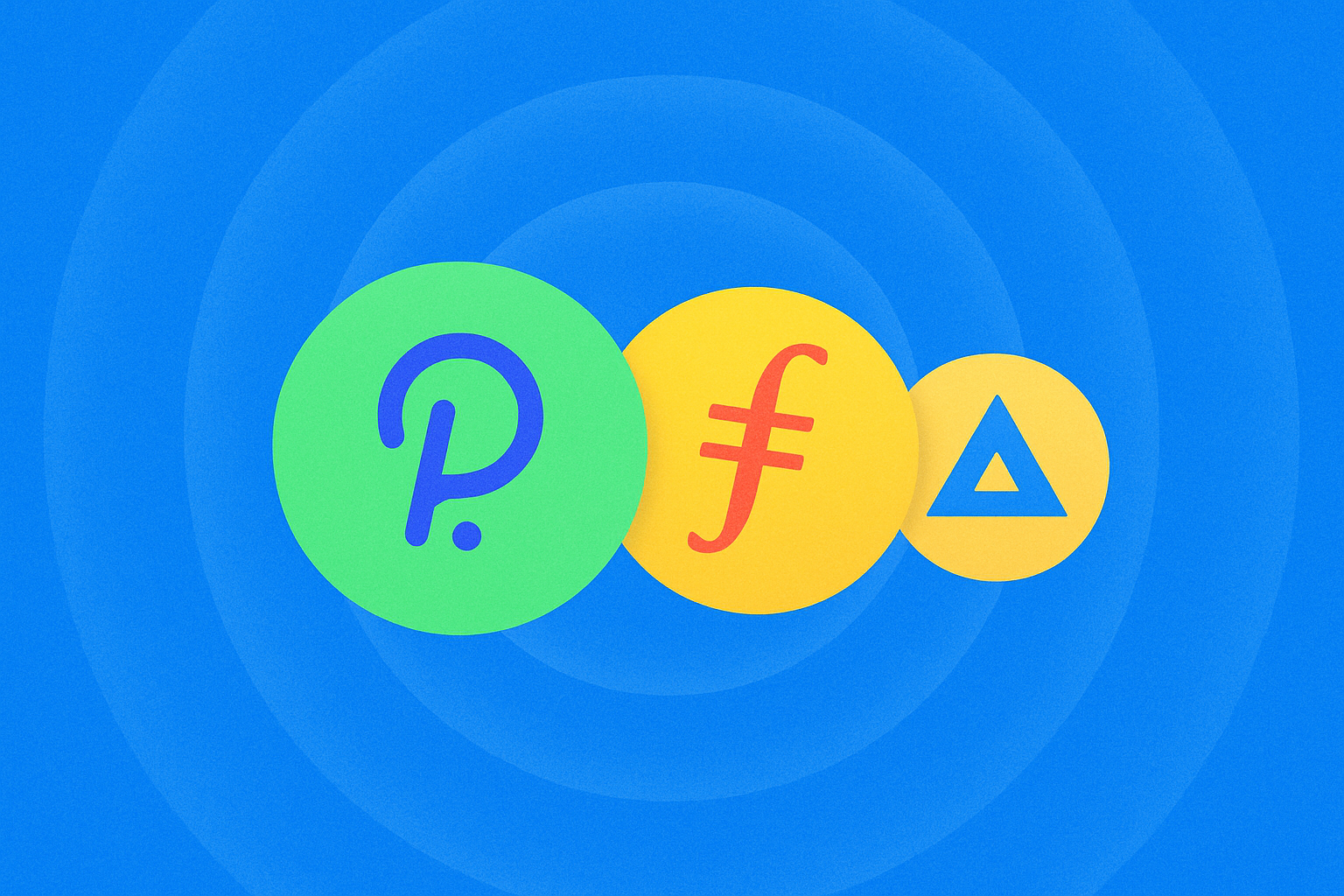
公鏈領域:Gavin Wood博士創建的波卡(Polkadot)解決了區塊鏈2.0智能合約時代各種公鏈之間的跨鏈難題。波卡不僅可以實現資產跨鏈,還可以實現信息跨鏈,為Web 3.0構建了重要的基礎設施。通過其獨特的中繼鏈和平行鏈架構,波卡實現了不同區塊鏈之間的互操作性。

存儲領域:Filecoin作為一個Web 3.0協議,為那些想把自己多餘的硬盤存儲空間出租給需要存儲空間的人創造了一個去中心化市場。與傳統雲存儲服務不同,Filecoin通過加密技術和激勵機制,確保數據的安全性和可用性,同時降低存儲成本。

瀏覽器領域:Brave項目提供了強大的廣告攔截功能,用戶使用Brave瀏覽器上網時,不會受到廣告的困擾。同時,Brave還引入了基於加密貨幣的獎勵機制,用戶可以選擇觀看廣告並獲得代幣獎勵,實現了用戶、廣告商和內容創作者之間的價值重新分配。

域名領域:Handshake項目允許用戶使用HNS代幣支付註冊費用,並獲得加密密鑰作為域名所有權的憑證。所有通過HNS的域名交易都會被記錄在公鏈上,確保域名所有權的透明性和不可篡改性,打破了傳統域名系統的中心化壟斷。

Web 3.0的優劣勢

優勢

Web 3.0將帶來透明、可信的互聯網經濟模式

在Web 3.0的世界裏,用戶產生的數據歸使用者所有,在沒有得到數據生產者的授權確認之前,消費者無權使用這些數據。同時,內容的所有者也可以直接獲得優質內容所產生的收益,而不需要通過中心化平臺抽成。在某種程度上,使用者既是消費者也是網絡的維護者,這種角色的轉變將重塑整個互聯網經濟生態。

Web 3.0使用者享有內容的完整擁有權

在傳統互聯網領域,用戶作為內容的生產者,並沒有享受到相應的收益和控制權。例如,用戶發表在Twitter上的文章,可能因為平臺的一紙公告而遭到刪除;又如在Apple Music上花錢購買的版權音樂,也會因為版權到期而被從應用中移除;網絡遊戲中的虛擬裝備也可能因為開發商停止運營而消失。

在Web 3.0世界中,這些問題將得到根本性解決。通過區塊鏈技術和智能合約,用戶對數字資產擁有真正的所有權。產品和遊戲的重大改動需要經過社區的投票表決才能實施,開發者不再擁有獨裁的權力。這種去中心化的治理模式確保了用戶權益得到充分保護。

劣勢

Web 3.0仍存在一些技術和應用層面的挑戰。區塊鏈網絡擁堵導致交易效率低下,網絡費用高企往往轉嫁到普通用戶身上。智能合約的漏洞可能被黑客利用發起攻擊,造成用戶資產損失。此外,由於Web 3.0的上手難度超過傳統區塊鏈應用和比特幣等,新用戶需要投入相當的時間和精力才能熟練掌握相關操作,因此普及難度也大大增加。

用戶體驗方面,Web 3.0應用往往需要用戶管理私鑰、支付Gas費用等複雜操作,這對普通用戶來說是一個不小的門檻。同時,去中心化應用的性能和響應速度通常不如中心化應用,這也影響了用戶的使用體驗。

總結

Web 3.0的出現為我們提供了一個更加安全、高效、自由的互聯網模式,讓我們看到了保護用戶隱私和數據安全的可能性。盡管距離Web 3.0的全面實現還有很長的路要走,但隨著區塊鏈技術的持續發展和創新,相信我們的互聯網環境會變得越來越安全和有趣。Web 3.0不僅是技術的革新,更是互聯網價值觀和治理模式的根本性變革,它將重新定義用戶與網絡、用戶與平臺之間的關係,開啟真正屬於用戶的互聯網時代。

FAQ

什麼是Web 3.0?它與Web 2.0有什麼區別?

Web 3.0是去中心化、智能化的第三代互联网。Web 2.0由平台掌控数据,Web 3.0让用户拥有数据所有权。Web 3.0整合AI、区块链等技术,强调隐私与安全,赋予用户更大的控制权。

Web 3.0的核心技術包括哪些?區塊鏈在其中扮演什麼角色?

Web 3.0的核心技術包括區塊鏈、智能合約和去中心化應用。區塊鏈扮演基礎角色,通過分布式賬本提供透明、不可篡改的數據記錄,實現信任機制和價值交換,是Web 3.0去中心化生態的技術基石。

Web 3.0會如何改變互聯網用戶的體驗和數據隱私?

Web 3.0 將權力從中心化平台轉移至用戶,實現真正的數據所有權。用戶可完全控制個人信息,享受更透明、安全的隱私保護,同時獲得數據價值補償。

Web 3.0目前有哪些實際應用案例?

Web3.0實際應用包括去中心化金融(DeFi)、非同質化代幣(NFT)、去中心化自治組織(DAO)、元宇宙遊戲、數位身份認證、智慧財產權保護和醫療保健數據管理等領域,這些應用強調用戶數據主權和去中心化運作。

Web 3.0面臨哪些挑戰和風險?

Web 3.0主要面臨安全漏洞、駭客攻擊、詐欺風險,以及監管不確定性、隱私保護和智能合約漏洞等挑戰。用戶需提高安全意識。

* The information is not intended to be and does not constitute financial advice or any other recommendation of any sort offered or endorsed by Gate.

Share

Content

Web 3.0是什麼

Web 3.0的由來

Web 3.0項目介紹

Web 3.0的優劣勢

總結

FAQ

Related Articles
Top Decentralized Exchange Aggregators for Optimal Trading

Top Decentralized Exchange Aggregators for Optimal Trading

Exploring top DEX aggregators in 2025, this article highlights their role in enhancing crypto trading efficiency. It addresses challenges faced by traders, such as finding optimal prices and reducing slippage, while ensuring security and ease of use. A practical overview of 11 leading platforms is provided, with guidance on selecting the right aggregator based on trading needs and security features. Designed for crypto traders seeking efficient and secure trading solutions, the article emphasizes the evolving benefits of using DEX aggregators in the DeFi landscape.
2025-12-24
A Comprehensive Guide to Tokenizing Real-World Assets

A Comprehensive Guide to Tokenizing Real-World Assets

A comprehensive guide to real-world asset tokenization, bridging traditional and digital finance with blockchain technology. Discover the benefits, practical use cases, and future prospects of RWAs, empowering you to invest confidently and engage in the asset tokenization market. Tailored for cryptocurrency enthusiasts and fintech professionals.
2025-12-21
Choosing Your Ideal Digital Wallet in 2025: A Starter's Guide
Choosing Your Ideal Digital Wallet in 2025: A Starter's Guide

Explore the evolving landscape of crypto wallets in 2025 with this comprehensive starter's guide. Understand the fundamental functionalities and types—hot and cold wallets—and learn to choose the best one based on user needs like trading, NFT collecting, and long-term holding. Discover key considerations in wallet selection, such as security features, multi-chain compatibility, and practical use for everyday transactions. Gain insights on setup processes and advanced wallet capabilities to optimize your digital asset management. This guide equips both beginners and seasoned users with the knowledge to make informed decisions suitable to their crypto engagement level.
2025-12-21
What is Avalanche (AVAX): A Complete Fundamentals Analysis of Whitepaper Logic, Use Cases, and Technical Innovation

What is Avalanche (AVAX): A Complete Fundamentals Analysis of Whitepaper Logic, Use Cases, and Technical Innovation

This article offers an in-depth analysis of Avalanche (AVAX) covering its three-chain architecture innovation, token utility, ecosystem expansion, and competitive positioning. It explores how Avalanche enables high transaction throughput, efficient governance, and diverse use cases in DeFi, RWA, and gaming sectors. Targeted at developers and blockchain enthusiasts, the article details the strategic roadmap and contrasts Avalanche's performance against rivals like Solana and Ethereum. Key themes include AVAX's versatile design and institutional adoption, providing essential insights for understanding this emerging blockchain platform.
2025-12-21
Exploring the Evolution and Future of Blockchain-Powered Gaming
Exploring the Evolution and Future of Blockchain-Powered Gaming

Explore the evolution and potential of blockchain-powered gaming, where distributed ledger technology meets interactive entertainment. This article demystifies crypto gaming by examining how it works, detailing investment strategies, and discussing associated risks. With a deeper understanding of mechanics like NFTs and play-to-earn models, readers can identify promising opportunities and anticipate future trends like decentralized governance and interoperable ecosystems. Perfect for gamers, developers, and investors, the content addresses key issues such as scalability and security. As blockchain gaming evolves, staying informed is essential for navigating this dynamic digital revolution.
2025-11-22
What is tokenomics and how does token distribution allocation work in crypto projects?

What is tokenomics and how does token distribution allocation work in crypto projects?

The article explores tokenomics in crypto projects, focusing on token distribution, supply control, deflationary mechanisms, and governance structure. It highlights the impact of well-architected allocation ratios on sustainability and market stability. Readers interested in how token design can influence project success and investor trust will find this analysis valuable. The piece uses the TRUMP token model to demonstrate effective token management through locked reserves, liquidity control, and burn protocols. It also addresses the balance between decentralization and centralized governance rights within crypto ecosystems, emphasizing transparent decision-making.
2025-12-20
Recommended for You
What is BULLA coin: analyzing whitepaper logic, use cases, and team fundamentals in 2026

What is BULLA coin: analyzing whitepaper logic, use cases, and team fundamentals in 2026

BULLA coin introduces decentralized accounting and on-chain data management innovation built on BNB Smart Chain, eliminating intermediaries while ensuring real-time transaction verification. The platform addresses critical gaps in cryptocurrency infrastructure by embedding accounting logic directly into smart contracts, enabling transparent audit trails and regulatory compliance. Real-world applications include seamless transaction imports across multiple exchanges, comprehensive crypto portfolio tracking, and secure record-keeping for investors. Trade import tools enhance user experience by automating data categorization and consolidation. Founded in 2021 by blockchain architect Benjamin with support from experienced fintech designers and engineers, BULLA Networks demonstrates active development momentum with continuous smart contract iterations through early 2026. The 2026-2027 strategic roadmap prioritizes network infrastructure expansion and enhanced security protocols, positioning BULLA as a robust decen
2026-02-08
How does MYX token's deflationary tokenomics model work with 100% burn mechanism and 61.57% community allocation?

How does MYX token's deflationary tokenomics model work with 100% burn mechanism and 61.57% community allocation?

This article examines MYX token's innovative deflationary tokenomics, featuring a distinctive 61.57% community allocation and 100% burn mechanism. The community-focused distribution empowers token holders through MYX DAO governance while ensuring value flows back to ecosystem participants. The 100% burn mechanism systematically removes node-generated revenue from circulation, reducing the total supply from one billion tokens and creating genuine scarcity. This supply-driven deflation counters inflation pressures and strengthens long-term holder value without requiring external demand. The combination of broad community distribution and aggressive token elimination creates sustainable deflationary economics. Ideal for investors seeking to understand how MYX Finance aligns community interests with protocol success through structural value preservation and decentralized governance mechanisms on Gate exchange.
2026-02-08
What Are Derivatives Market Signals and How Do Futures Open Interest, Funding Rates, and Liquidation Data Impact Crypto Trading in 2026?

What Are Derivatives Market Signals and How Do Futures Open Interest, Funding Rates, and Liquidation Data Impact Crypto Trading in 2026?

This comprehensive guide decodes cryptocurrency derivatives market signals essential for 2026 trading success. Learn how futures open interest, funding rates, and liquidation data—such as ENA's $17 billion contract volume and $94 million daily position closures—reveal market sentiment and institutional positioning. The article explains how long-short ratios and liquidation heatmaps identify reversal opportunities, while options imbalance signals indicate smart money accumulation strategies. Discover why exchange outflows and funding rate extremes precede major price movements. From analyzing $46.45M ENA outflows to understanding leverage risks, this resource equips traders with actionable intelligence for predicting market turning points. Perfect for beginners and experienced traders leveraging Gate's analytics tools to navigate increasingly complex derivatives markets with informed entry and exit strategies.
2026-02-08
How do futures open interest, funding rates, and liquidation data predict crypto derivatives market signals in 2026?

How do futures open interest, funding rates, and liquidation data predict crypto derivatives market signals in 2026?

This article explores how three critical derivatives metrics—open interest exceeding $20 billion, funding rates shifting positive, and liquidation volume declining 30%—predict crypto derivatives market signals in 2026. The guide reveals institutional participation driving market maturation while positive funding rates signal strengthened bullish momentum. Long-short ratio stabilization at 1.2 with put-call ratio below 0.8 demonstrates sophisticated hedging strategies on Gate and other platforms. Reduced liquidation volumes indicate improved risk management and market resilience. By analyzing how these indicators combine—measuring position sizing, sentiment extremes, and forced selling pressure—traders gain precise tools for identifying trend reversals, leverage exhaustion, and market turning points with 55-65% AI-driven accuracy for 2026.
2026-02-08
What is a token economics model and how does GALA use inflation mechanics and burn mechanisms

What is a token economics model and how does GALA use inflation mechanics and burn mechanisms

This article explores GALA's innovative token economics model, examining how inflation mechanics and burn mechanisms create sustainable ecosystem growth. The guide covers GALA token distribution through 50,000 Founder's Nodes requiring 1 million GALA for 100% daily rewards, establishing long-term community participation. A dual-mechanism approach pairs controlled inflation with strategic annual supply reduction to establish deflationary pressure. The burn mechanism, powered by 100% transaction fee burning on GalaChain combined with NFT royalty enforcement averaging 6.1%, creates continuous supply reduction while incentivizing creator participation. Governance utility empowers node holders to vote on game launches through consensus mechanisms, transforming GALA holders into active stakeholders. Perfect for investors and ecosystem participants seeking to understand how GALA balances token scarcity with ecosystem vitality through integrated economic incentives and community governance on Gate.
2026-02-08
What is on-chain data analysis and how does it reveal whale movements and active addresses in crypto?

What is on-chain data analysis and how does it reveal whale movements and active addresses in crypto?

On-chain data analysis reveals cryptocurrency market dynamics by examining active addresses and transaction metrics that expose whale movements and investor behavior. This comprehensive guide explores how blockchain data serves as a critical market indicator, demonstrating the correlation between large holder activities and price movements—such as FLOKI's 950% surge in whale transactions. The article covers whale movement tracking, holder distribution patterns showing 73.47% concentration among major stakeholders, and on-chain fee trends as cycle indicators. Essential metrics include active addresses reflecting genuine network participation, transaction volumes revealing strategic positioning, and network congestion patterns during market cycles. By tracking these interconnected indicators through platforms like Glassnode and Gate, investors and traders can identify market sentiment shifts, anticipate price movements, and distinguish institutional activity from retail participation, making on-chain analysis i
2026-02-08