LCP_hide_placeholder
fomox
Search Token/Wallet
/

Understanding Wrapped Ether and Ether: Key Differences Explained

2025-12-18 15:35
Crypto Tutorial
DeFi
Ethereum
NFTs
Web3 wallet
Article Rating : 3.5
half-star
122 ratings
The article explores the differences between wrapped Ethereum (wETH) and native Ether (ETH), focusing on their interoperability in DeFi ecosystems. It highlights the utility of wETH in overcoming compatibility issues with dApps and its creation process. The article addresses traders and DeFi participants interested in maximizing utility across blockchain applications, detailing the conversion process and associated risks. Structurally, it defines wETH, compares its use cases to ETH, and explains conversion methods and risks. This content is optimized for ease of understanding and quick scanning, emphasizing wETH's role in enhancing Ethereum's ecosystem interoperability.
Understanding Wrapped Ether and Ether: Key Differences Explained

What is wETH and How Does it Differ From Ethereum?

Ethereum has established itself as a dominant force in the decentralized finance (DeFi) ecosystem, with hundreds of protocols managing billions of dollars in cryptocurrencies. Traders extensively utilize Ethereum's DeFi platforms such as dYdX, Curve Finance, and Aave for exchanging, borrowing, and lending digital assets. However, despite Ethereum's widespread adoption, a significant challenge exists: the native Ether (ETH) coin faces compatibility issues with Ethereum-based decentralized applications (dApps). The introduction of wrapped Ethereum (wETH) has provided an elegant solution to this problem, enabling seamless interaction with Ethereum's innovative dApp ecosystem. Understanding the difference between wrapped ether vs ether is essential for anyone navigating the DeFi landscape.

What are Wrapped Cryptocurrencies?

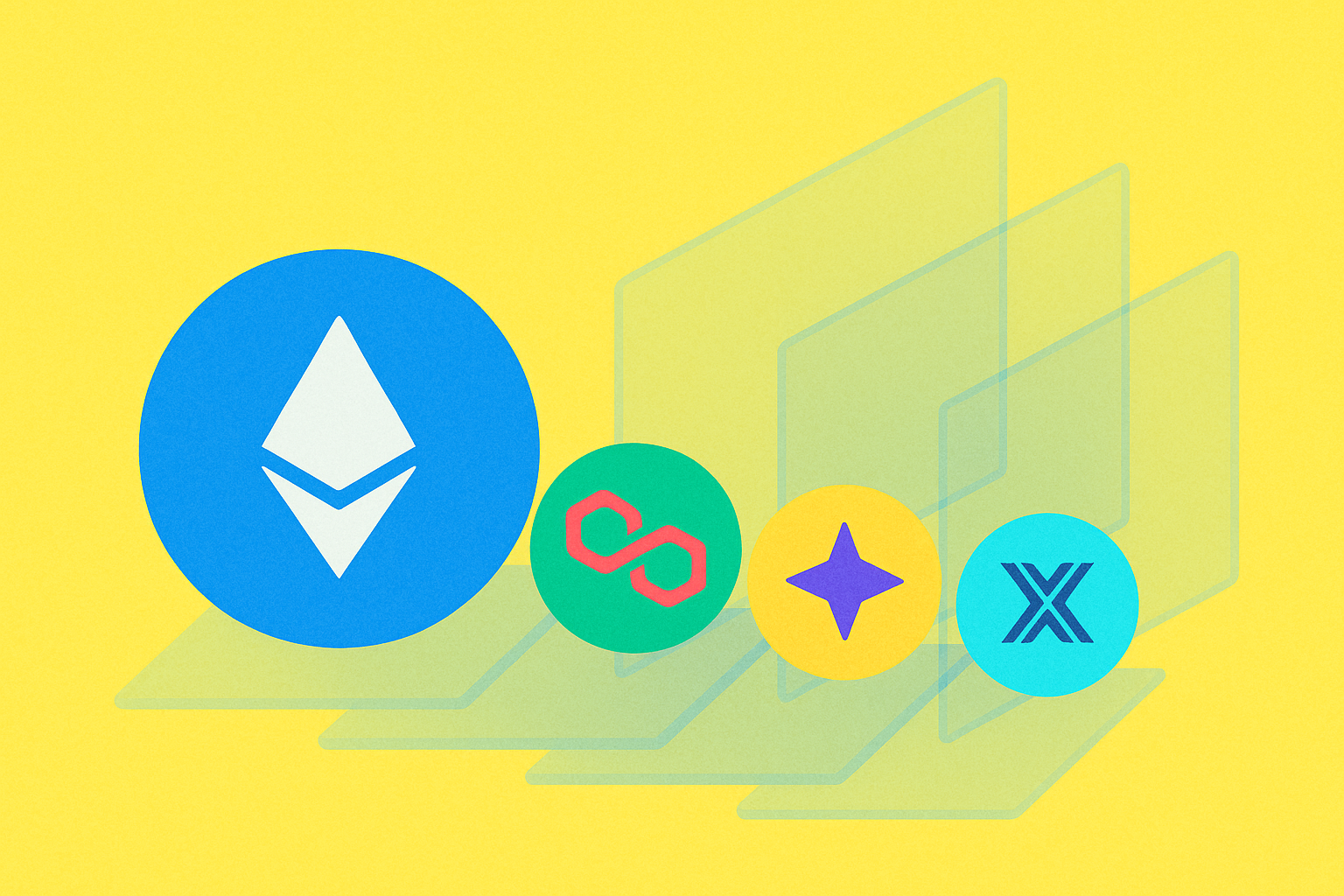
Wrapped cryptocurrencies represent a technological innovation that bridges the gap between different blockchain networks. When traders "wrap" a cryptocurrency, they exchange their original digital asset for an equivalent amount of synthetic tokens that maintain the same market value but feature different coding standards compatible with various blockchain networks. The "wrapper" functions as an identification mechanism that allows different blockchain networks to recognize and interact with these tokens.

A prime example is wrapped Bitcoin (wBTC), which mirrors Bitcoin's market price while being compatible with blockchains outside the Bitcoin network. DeFi traders frequently convert BTC to wBTC specifically to utilize their Bitcoin holdings on Ethereum-based platforms like Aave and decentralized trading platforms. This wrapping process addresses a fundamental limitation in blockchain technology: each blockchain operates with specific coding protocols that prevent direct communication with other chains, similar to how iOS applications cannot run on Android devices.

The wrapping process involves either depositing a compatible digital asset on a wrapping service or purchasing wrapped tokens directly from various cryptocurrency trading platforms. When creating wrapped tokens, traders lock their original cryptocurrency in a protocol, receiving the wrapped version in return. Upon returning wrapped tokens, the service automatically burns (destroys) them and releases the original deposited cryptocurrency. This burning and locking mechanism ensures that the circulating supply of wrapped tokens precisely mirrors the underlying cryptocurrency asset.

What is wETH?

Wrapped Ethereum (wETH) is a cryptocurrency token that maintains price parity with Ethereum's native Ether. Developed by 0x Labs in 2017, wETH has become widely available across numerous cryptocurrency trading platforms, dApps, and Ethereum-based wallets. While wETH shares similarities with other wrapped tokens like wBTC, it serves a unique purpose within the Ethereum ecosystem itself. The wrapped ether vs ether distinction is crucial for understanding how DeFi applications function.

The necessity for wETH stems from a technical incompatibility: although ETH is Ethereum's native coin, it does not conform to the ERC-20 token standard required for fungible tokens on the Ethereum blockchain. Smart contracts, which are blockchain programs that automatically execute preprogrammed commands and form the foundation of dApp functionality, require ERC-20 compliance to operate properly. Consequently, while ETH serves essential functions like paying transaction fees and staking, it cannot directly interact with smart contract code on popular dApps such as Aave, OpenSea, and decentralized trading platforms. wETH resolves this limitation by creating an ERC-20-compliant version of ETH, enabling full functionality across Ethereum's dApp ecosystem.

wETH Versus ETH: Understanding Wrapped Ether vs Ether

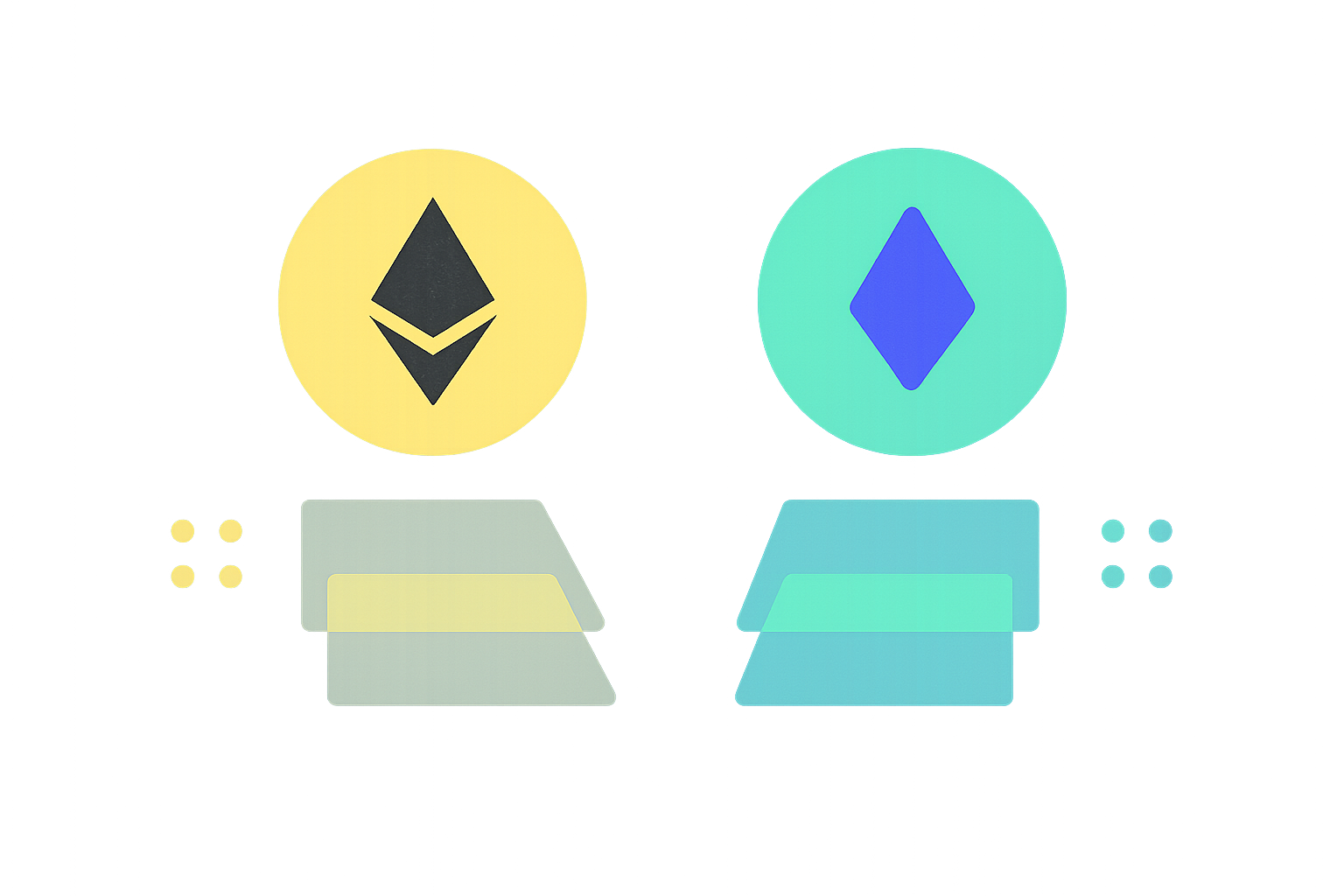
The relationship between wETH and ETH is characterized by both similarities and distinct differences. When comparing wrapped ether vs ether, understanding their market value relationship is essential: wETH and ETH maintain identical prices on cryptocurrency trading platforms. Their supplies are also equivalent, as wETH creation requires an equal amount of ETH to be locked in wrapping software, ensuring a 1:1 backing ratio.

However, the crucial distinction in the wrapped ether vs ether comparison lies in their respective use cases. ETH serves three primary functions: transferring value between addresses, securing the Ethereum blockchain through staking mechanisms, and covering transaction fees (gas fees) for network operations. In contrast, wETH offers broader functionality across multiple applications within and beyond Ethereum's ecosystem. Traders utilize wETH for diverse purposes on dApps, including lending, trading, and borrowing in DeFi protocols. Additionally, wETH finds applications in metaverse gaming platforms and non-fungible token (NFT) marketplaces, demonstrating its versatility in smart contract-based applications.

The wrapped ether vs ether distinction becomes particularly important when users attempt to interact with smart contract-based applications, as only wETH provides the ERC-20 compatibility required for seamless integration with these platforms.

How to Convert ETH to wETH

The growing adoption of wETH in DeFi has led to increased accessibility through various platforms. Multiple dApps, trading platforms, and crypto wallets now offer straightforward conversion methods. MetaMask, a popular Ethereum software wallet created by ConsenSys, provides one of the most user-friendly approaches through its built-in "Swap" function.

To convert ETH to wETH using MetaMask, users first establish an account on metamask.io and transfer ETH to their wallet address. The MetaMask interface displays a "Swap" button adjacent to the central "Send" button. By clicking "Swap," users can specify the amount of ETH they wish to exchange for wETH and proceed to review the transaction. It is important to note that Ethereum network gas fees apply to process each transaction. After confirming the swap, wETH appears in the MetaMask wallet balance.

Alternatively, decentralized trading platforms such as Curve Finance and 1Inch offer direct wETH purchasing options. The process involves connecting a compatible crypto wallet like MetaMask to the chosen platform, entering the desired ETH amount for conversion, and confirming the transaction. After paying the required gas fees, the platform deposits wETH directly into the user's wallet.

Some Ethereum-compatible NFT marketplaces, such as OpenSea, integrate wrapping functionality directly into their platforms. Users can access the wrap feature by clicking their wallet icon and selecting the "Wrap" ETH option from the menu.

Are There Risks of Wrapping ETH?

While wrapped cryptocurrencies like wETH expand opportunities for crypto traders, they introduce certain risks that warrant careful consideration when evaluating wrapped ether vs ether options. A primary concern is centralization risk, as custodians oversee the ETH deposits used to create wrapped tokens. This arrangement requires traders to trust that the protocols or institutions managing their Ethereum maintain robust security standards.

Smart contract vulnerabilities present another significant risk factor. Many wrapping systems employ automated smart contract "vaults," making coding errors a potential threat. Historical incidents have demonstrated where attackers exploited vulnerabilities to steal substantial amounts of wETH from protocols that facilitate transfers between different blockchains. This underscores the importance of understanding the security implications before engaging with wETH in DeFi applications.

Conclusion

Wrapped Ethereum (wETH) represents a crucial innovation in the Ethereum ecosystem, addressing the fundamental incompatibility between ETH and the ERC-20 token standard required for dApp functionality. Understanding wrapped ether vs ether is essential for maximizing the utility of Ethereum holdings in the DeFi space. By creating an ERC-20-compliant version of Ethereum's native coin, wETH enables seamless integration with smart contract-based applications across DeFi, NFT marketplaces, and metaverse platforms.

While wETH and ETH maintain price parity and equivalent supplies, the wrapped ether vs ether comparison reveals that their use cases differ significantly, with wETH offering broader functionality in decentralized applications. The conversion process has become increasingly accessible through platforms like MetaMask and various decentralized trading platforms, though users must remain cognizant of associated risks, including centralization concerns and smart contract vulnerabilities.

As the DeFi ecosystem continues to evolve, the wrapped ether vs ether distinction becomes increasingly important for traders seeking to maximize the utility of their Ethereum holdings across diverse blockchain applications. Whether choosing ether or wrapped ether depends on specific use case requirements, with wETH serving as an essential tool for those engaging with smart contract-based DeFi protocols.

FAQ

What is the point of wrapped Ethereum?

Wrapped Ethereum (WETH) enables Ether to function across different blockchains and decentralized applications, ensuring interoperability while preserving its value for diverse ecosystem use cases.

What is the difference between ether and wrapped ether?

Ether is the native cryptocurrency of Ethereum network. Wrapped ether is an ERC-20 token representing Ether, enabling cross-chain compatibility and use across different blockchain platforms.

How is weth different from ETH?

WETH is an ERC-20 token representing ETH, while ETH is the native cryptocurrency of the Ethereum blockchain. WETH offers enhanced liquidity and compatibility with smart contracts.

Why are there two ethereums?

A 2016 hard fork split the Ethereum community. Ethereum continued as the original chain, while Ethereum Classic became separate. They differ in blockchain governance philosophy and security approach.

* The information is not intended to be and does not constitute financial advice or any other recommendation of any sort offered or endorsed by Gate.

Share

Content

What are Wrapped Cryptocurrencies?

What is wETH?

wETH Versus ETH: Understanding Wrapped Ether vs Ether

How to Convert ETH to wETH

Are There Risks of Wrapping ETH?

Conclusion

FAQ

Related Articles
Top Decentralized Exchange Aggregators for Optimal Trading

Top Decentralized Exchange Aggregators for Optimal Trading

Exploring top DEX aggregators in 2025, this article highlights their role in enhancing crypto trading efficiency. It addresses challenges faced by traders, such as finding optimal prices and reducing slippage, while ensuring security and ease of use. A practical overview of 11 leading platforms is provided, with guidance on selecting the right aggregator based on trading needs and security features. Designed for crypto traders seeking efficient and secure trading solutions, the article emphasizes the evolving benefits of using DEX aggregators in the DeFi landscape.
2025-12-24
Mastering Stop Limit Order Strategy in Cryptocurrency Trading

Mastering Stop Limit Order Strategy in Cryptocurrency Trading

This article is an essential guide for mastering stop limit order strategies in cryptocurrency trading on platforms like Gate. It explores the mechanics and applications of sell stop market orders, limit orders, market orders, and trailing stops, emphasizing their roles in risk management and trading strategy. Traders will learn how to automate exit strategies, handle execution uncertainty, and make informed decisions based on market conditions. Key highlights include the advantages of different order types at specified price levels and practical insights for disciplined risk management in crypto trading.
2025-12-19
A Comprehensive Guide to Tokenizing Real-World Assets

A Comprehensive Guide to Tokenizing Real-World Assets

A comprehensive guide to real-world asset tokenization, bridging traditional and digital finance with blockchain technology. Discover the benefits, practical use cases, and future prospects of RWAs, empowering you to invest confidently and engage in the asset tokenization market. Tailored for cryptocurrency enthusiasts and fintech professionals.
2025-12-21
Choosing Your Ideal Digital Wallet in 2025: A Starter's Guide

Choosing Your Ideal Digital Wallet in 2025: A Starter's Guide

Explore the evolving landscape of crypto wallets in 2025 with this comprehensive starter's guide. Understand the fundamental functionalities and types—hot and cold wallets—and learn to choose the best one based on user needs like trading, NFT collecting, and long-term holding. Discover key considerations in wallet selection, such as security features, multi-chain compatibility, and practical use for everyday transactions. Gain insights on setup processes and advanced wallet capabilities to optimize your digital asset management. This guide equips both beginners and seasoned users with the knowledge to make informed decisions suitable to their crypto engagement level.
2025-12-21
Comprehensive Analysis of Leading Multi-Chain Wallet for Web3 Advancement

Comprehensive Analysis of Leading Multi-Chain Wallet for Web3 Advancement

The article provides a detailed review of Math Wallet, a leading multi-chain Web3 solution for cryptocurrency management. It highlights Math Wallet's broad support for over 100 blockchain networks, offering both custodial and non-custodial options, staking capabilities, and its integrated DApp store. Targeting both novice and experienced users, it addresses the need for secure and versatile digital wallets in the expanding crypto landscape. The article explores Math Wallet’s features, contrasts its pros and cons, and guides on using and staking with the wallet, positioning it as a top choice for efficient crypto asset management.
2025-12-19
What is Avalanche (AVAX): A Complete Fundamentals Analysis of Whitepaper Logic, Use Cases, and Technical Innovation

What is Avalanche (AVAX): A Complete Fundamentals Analysis of Whitepaper Logic, Use Cases, and Technical Innovation

This article offers an in-depth analysis of Avalanche (AVAX) covering its three-chain architecture innovation, token utility, ecosystem expansion, and competitive positioning. It explores how Avalanche enables high transaction throughput, efficient governance, and diverse use cases in DeFi, RWA, and gaming sectors. Targeted at developers and blockchain enthusiasts, the article details the strategic roadmap and contrasts Avalanche's performance against rivals like Solana and Ethereum. Key themes include AVAX's versatile design and institutional adoption, providing essential insights for understanding this emerging blockchain platform.
2025-12-21
Recommended for You
What is BULLA coin: analyzing whitepaper logic, use cases, and team fundamentals in 2026

What is BULLA coin: analyzing whitepaper logic, use cases, and team fundamentals in 2026

BULLA coin introduces decentralized accounting and on-chain data management innovation built on BNB Smart Chain, eliminating intermediaries while ensuring real-time transaction verification. The platform addresses critical gaps in cryptocurrency infrastructure by embedding accounting logic directly into smart contracts, enabling transparent audit trails and regulatory compliance. Real-world applications include seamless transaction imports across multiple exchanges, comprehensive crypto portfolio tracking, and secure record-keeping for investors. Trade import tools enhance user experience by automating data categorization and consolidation. Founded in 2021 by blockchain architect Benjamin with support from experienced fintech designers and engineers, BULLA Networks demonstrates active development momentum with continuous smart contract iterations through early 2026. The 2026-2027 strategic roadmap prioritizes network infrastructure expansion and enhanced security protocols, positioning BULLA as a robust decen
2026-02-08
How does MYX token's deflationary tokenomics model work with 100% burn mechanism and 61.57% community allocation?

How does MYX token's deflationary tokenomics model work with 100% burn mechanism and 61.57% community allocation?

This article examines MYX token's innovative deflationary tokenomics, featuring a distinctive 61.57% community allocation and 100% burn mechanism. The community-focused distribution empowers token holders through MYX DAO governance while ensuring value flows back to ecosystem participants. The 100% burn mechanism systematically removes node-generated revenue from circulation, reducing the total supply from one billion tokens and creating genuine scarcity. This supply-driven deflation counters inflation pressures and strengthens long-term holder value without requiring external demand. The combination of broad community distribution and aggressive token elimination creates sustainable deflationary economics. Ideal for investors seeking to understand how MYX Finance aligns community interests with protocol success through structural value preservation and decentralized governance mechanisms on Gate exchange.
2026-02-08
What Are Derivatives Market Signals and How Do Futures Open Interest, Funding Rates, and Liquidation Data Impact Crypto Trading in 2026?

What Are Derivatives Market Signals and How Do Futures Open Interest, Funding Rates, and Liquidation Data Impact Crypto Trading in 2026?

This comprehensive guide decodes cryptocurrency derivatives market signals essential for 2026 trading success. Learn how futures open interest, funding rates, and liquidation data—such as ENA's $17 billion contract volume and $94 million daily position closures—reveal market sentiment and institutional positioning. The article explains how long-short ratios and liquidation heatmaps identify reversal opportunities, while options imbalance signals indicate smart money accumulation strategies. Discover why exchange outflows and funding rate extremes precede major price movements. From analyzing $46.45M ENA outflows to understanding leverage risks, this resource equips traders with actionable intelligence for predicting market turning points. Perfect for beginners and experienced traders leveraging Gate's analytics tools to navigate increasingly complex derivatives markets with informed entry and exit strategies.
2026-02-08
How do futures open interest, funding rates, and liquidation data predict crypto derivatives market signals in 2026?

How do futures open interest, funding rates, and liquidation data predict crypto derivatives market signals in 2026?

This article explores how three critical derivatives metrics—open interest exceeding $20 billion, funding rates shifting positive, and liquidation volume declining 30%—predict crypto derivatives market signals in 2026. The guide reveals institutional participation driving market maturation while positive funding rates signal strengthened bullish momentum. Long-short ratio stabilization at 1.2 with put-call ratio below 0.8 demonstrates sophisticated hedging strategies on Gate and other platforms. Reduced liquidation volumes indicate improved risk management and market resilience. By analyzing how these indicators combine—measuring position sizing, sentiment extremes, and forced selling pressure—traders gain precise tools for identifying trend reversals, leverage exhaustion, and market turning points with 55-65% AI-driven accuracy for 2026.
2026-02-08
What is a token economics model and how does GALA use inflation mechanics and burn mechanisms

What is a token economics model and how does GALA use inflation mechanics and burn mechanisms

This article explores GALA's innovative token economics model, examining how inflation mechanics and burn mechanisms create sustainable ecosystem growth. The guide covers GALA token distribution through 50,000 Founder's Nodes requiring 1 million GALA for 100% daily rewards, establishing long-term community participation. A dual-mechanism approach pairs controlled inflation with strategic annual supply reduction to establish deflationary pressure. The burn mechanism, powered by 100% transaction fee burning on GalaChain combined with NFT royalty enforcement averaging 6.1%, creates continuous supply reduction while incentivizing creator participation. Governance utility empowers node holders to vote on game launches through consensus mechanisms, transforming GALA holders into active stakeholders. Perfect for investors and ecosystem participants seeking to understand how GALA balances token scarcity with ecosystem vitality through integrated economic incentives and community governance on Gate.
2026-02-08
What is on-chain data analysis and how does it reveal whale movements and active addresses in crypto?

What is on-chain data analysis and how does it reveal whale movements and active addresses in crypto?

On-chain data analysis reveals cryptocurrency market dynamics by examining active addresses and transaction metrics that expose whale movements and investor behavior. This comprehensive guide explores how blockchain data serves as a critical market indicator, demonstrating the correlation between large holder activities and price movements—such as FLOKI's 950% surge in whale transactions. The article covers whale movement tracking, holder distribution patterns showing 73.47% concentration among major stakeholders, and on-chain fee trends as cycle indicators. Essential metrics include active addresses reflecting genuine network participation, transaction volumes revealing strategic positioning, and network congestion patterns during market cycles. By tracking these interconnected indicators through platforms like Glassnode and Gate, investors and traders can identify market sentiment shifts, anticipate price movements, and distinguish institutional activity from retail participation, making on-chain analysis i
2026-02-08