


Understanding Blockchain Node Transaction Processing
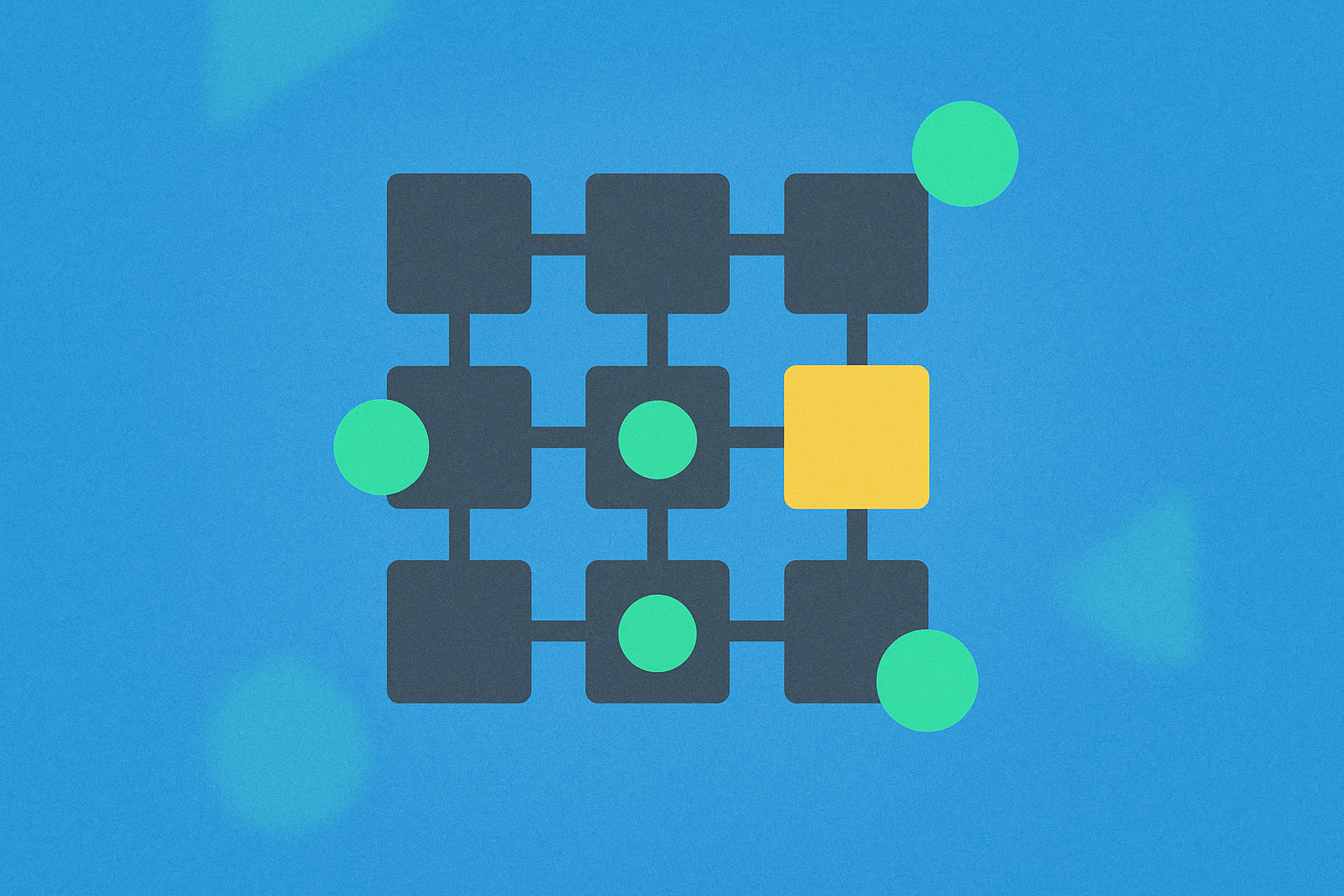
What is a blockchain node: the technology powering decentralized networks
Blockchain nodes are the fundamental building blocks that enable decentralized networks to function securely and efficiently. Understanding their role is essential for anyone seeking to comprehend how blockchain technology maintains its integrity, security, and decentralization through node transactions and network operations. This comprehensive guide explores the technology, types, setup process, and challenges associated with blockchain nodes.
What is a blockchain node?
A blockchain node is a fundamental component of a decentralized network, functioning as a connection point that receives, stores, and transmits data across the network. These nodes play a critical role in ensuring the blockchain's security, integrity, and decentralization through continuous node transactions processing.
Nodes perform several essential functions within the blockchain ecosystem. First, they validate transactions by verifying the authenticity of each transaction, confirming that senders have sufficient funds, and ensuring compliance with network rules. This validation process prevents critical issues such as double-spending, where the same cryptocurrency could potentially be spent multiple times.
Second, nodes maintain copies of the blockchain ledger, which contains a complete record of all node transactions ever processed on the network. This redundancy ensures data integrity and availability across the entire network. By distributing copies of the blockchain across numerous nodes, the network becomes highly resistant to attacks and censorship attempts.
The decentralized nature of nodes means that trust is distributed across all participating nodes rather than being concentrated in a single central authority. This structure significantly enhances security and resilience, as the network can continue to operate even if some nodes fail or act maliciously. Various consensus mechanisms help ensure all nodes agree on the blockchain's state, maintaining consistency and trustworthiness throughout the network.
How does a node work?
The operational mechanics of blockchain nodes involve several interconnected processes that work together to maintain network integrity through efficient node transactions handling. When a user initiates a transaction, it is broadcast to the network where nodes receive and temporarily store it in a pool of pending transactions, commonly referred to as the "mempool."
The validation process is crucial to network security. Nodes meticulously check each transaction by verifying signature authenticity to ensure the transaction is signed by the rightful owner, confirming the sender has sufficient balance to complete the transaction, and preventing double-spending by verifying that the same funds haven't been used elsewhere.
Once validated, nodes broadcast these valid node transactions to their peers, ensuring the entire network can record new transactions. Only valid transactions are shared with other nodes, protecting the network's overall integrity.
Consensus mechanisms are employed to reach mutual understanding of the blockchain's status. In Proof of Work (PoW) systems like Bitcoin, nodes called miners compete to solve complex cryptographic puzzles. The first miner to solve the puzzle adds a new block to the blockchain and receives a reward. In Proof of Stake (PoS) systems like Ethereum, validators are chosen based on the amount of cryptocurrency they stake as collateral to propose and validate new blocks.
When a block is validated through consensus, it is added to the blockchain, and all nodes update their blockchain copies to reflect the new block, maintaining network-wide consistency across all node transactions.
What are the different kinds of nodes?
Blockchain networks utilize various types of nodes, each serving unique functions that contribute to the overall network functionality and node transactions processing.
Full nodes store the entire blockchain ledger, encompassing all transactions from the network's inception. They validate transactions and blocks according to network rules while sharing data with other nodes to maintain decentralization. By maintaining complete copies of the blockchain and processing node transactions, full nodes significantly enhance security and trustworthiness within the network.
Light nodes, also known as Simplified Payment Verification (SPV) nodes, store only essential data such as block headers rather than the full blockchain. They rely on full nodes for transaction verification, which conserves resources. Light nodes are commonly found in wallets and applications with limited storage capacity, making blockchain technology more accessible to users without extensive storage capabilities while still participating in node transactions.
Masternodes are specialized full nodes that perform additional functions beyond standard transaction validation. They handle tasks such as facilitating instant transactions, participating in governance decisions, and enhancing privacy features. Unlike mining nodes, masternodes don't add new blocks to the blockchain but contribute to network efficiency and decision-making processes through advanced services and governance capabilities related to node transactions.
Mining nodes, or miners, utilize computational power to solve complex cryptographic puzzles through Proof of Work. Upon solving these puzzles, mining nodes add new blocks to the blockchain and receive cryptocurrency rewards. This process secures the network and confirms node transactions, making mining nodes essential for block creation and maintaining blockchain integrity through consensus mechanisms.
Staking nodes validate new blocks in Proof of Stake systems by locking up a certain amount of cryptocurrency as collateral. These nodes are selected to propose and validate blocks based on their staked amount, incentivizing honest behavior. Staking nodes provide energy-efficient block validation and enhance network security by aligning validators' interests with the network's overall health while processing node transactions.
Why are blockchain nodes important for decentralization?
Blockchain nodes are fundamental to maintaining the decentralized nature of blockchain networks, providing several critical advantages for secure node transactions.
By distributing power across the network, each node holds a copy of the entire blockchain, ensuring no single entity controls the data. This distribution prevents central points of failure and promotes transparency. Nodes collectively validate node transactions and blocks, agreeing on the network's state through shared responsibility rather than central authority control.
Network security improves with the number of active nodes. For example, Bitcoin's extensive node network makes it highly resistant to attacks, as compromising the majority becomes practically impossible. With data replicated across numerous nodes, the network can withstand failures or attacks on individual nodes without compromising overall integrity of node transactions.
The prevention of centralized control is another critical advantage. Each node independently validates transactions, preventing single entities from gaining undue influence over the network. No central body can censor or alter node transactions, which keeps the network open, neutral, and true to the principles of decentralization.
How can you set up a blockchain node?
Setting up a blockchain node allows individuals to support decentralized networks directly while potentially earning rewards through processing node transactions. The process involves several key steps.
First, choose the blockchain network you wish to support. Bitcoin nodes prioritize decentralization and privacy, while Ethereum nodes allow participation in staking and decentralized applications. Each network has unique characteristics and requirements for handling node transactions.
Hardware requirements vary by network. For Bitcoin nodes, you'll need at least 700 GB of storage for blockchain data, a minimum of 2 GB of RAM, and reliable broadband internet with unlimited data. Ethereum nodes require approximately 1 TB of storage, 8-16 GB of RAM for smooth operation, and a high-speed, stable internet connection with consistent uptime to process node transactions efficiently.
Software installation differs by network. For Bitcoin, download Bitcoin Core and configure it to start downloading the blockchain, which can take several days. For Ethereum, use a client like Geth or Nethermind and sync with the Ethereum blockchain, noting that initial synchronization can be time-intensive before you can begin processing node transactions.
Maintaining and updating the node is crucial for long-term operation. Keep your node running continuously to help process node transactions, and regularly update the software to stay compatible with network changes.
Understanding rewards and motivations is important. Bitcoin nodes receive no direct rewards but contribute to network security and provide improved privacy for node transactions. Ethereum nodes can earn rewards by staking 32 ETH as a validator, receiving compensation for securing the network and validating node transactions.
What are the challenges of running a blockchain node?
Running a blockchain node presents several challenges that operators should understand before committing to the endeavor of processing node transactions.
High storage requirements pose a significant challenge. Full nodes store complete blockchain ledgers, with Bitcoin's ledger exceeding 600 GB and Ethereum's surpassing 1 TB of historical node transactions. This requires substantial disk space, ideally on solid-state drives for optimal performance. Some operators choose pruned nodes, which retain only recent blockchain data, reducing storage needs to approximately 7 GB.
Bandwidth consumption is another consideration. Nodes must continuously download and upload data to stay synchronized with the network and process node transactions, consuming significant bandwidth. Bitcoin nodes typically require approximately 5 GB per day for uploads and 500 MB per day for downloads, necessitating a stable and high-speed internet connection.
Energy consumption varies by node type. Mining nodes in Proof of Work systems like Bitcoin require substantial computational power, leading to high energy usage and increased electricity costs. While non-mining nodes consume less energy, they still need to run continuously to process node transactions, contributing to ongoing electricity usage.
Technical expertise is essential for successful node operation. Setup and configuration demand a solid understanding of blockchain software and network protocols. Regular maintenance, updates, and troubleshooting are necessary to keep nodes operational and secure for processing node transactions, requiring ongoing attention and technical knowledge.
Hardware costs include initial investments in high-capacity storage devices and reliable servers, which can be substantial. As blockchains grow with more node transactions, hardware may need upgrades to handle increased storage and processing demands, representing an ongoing expense.
Security considerations are paramount. Running a node exposes systems to potential cyber threats, making robust security measures crucial for protection against attacks. Ensuring data integrity by maintaining uncorrupted data processing and storage is vital for the network's overall health and secure node transactions.
Conclusion
Blockchain nodes represent the cornerstone of decentralized technology, embodying the principles of decentralization, security, and distributed trust through continuous node transactions processing. These essential components validate transactions, maintain transparent and tamper-resistant ledgers, and ensure blockchain networks remain robust and reliable. From full nodes that store complete blockchain histories to specialized mining and staking nodes that secure networks through consensus mechanisms, each type of node contributes uniquely to the ecosystem's functionality and node transactions validation. While running a node presents challenges including storage requirements, bandwidth consumption, and technical complexity, the contribution to network decentralization and security makes it a valuable endeavor. Whether you're planning to set up your own node or simply seeking to understand their role, grasping the function and importance of blockchain nodes and node transactions provides invaluable insight into the foundation of decentralized technology and its revolutionary potential to reshape digital infrastructure.
FAQ
What is a node transaction?
A node transaction is when a network node processes, validates, and relays a blockchain transaction. Nodes verify the transaction's legitimacy and update the distributed ledger accordingly.
What does node mean?
A node is a point in a network that processes and relays data. In crypto, it's a computer running blockchain software, validating transactions and blocks.
What does node mean in finance?
In finance, a node is a computer or network of computers that verifies transactions and maintains the blockchain. Nodes ensure network integrity and security by holding a copy of the blockchain.
What are nodes and how do they work?
Nodes are devices running blockchain software that validate transactions. They store and maintain the blockchain ledger, ensuring network security and integrity.

Guide to Maximizing Returns with Top DeFi Yield Farming Strategies

Understanding Cross-Chain Solutions: A Guide to Blockchain Interoperability

Ultimate Guide to Top Crypto Exchange Aggregators for Efficient Trading

Understanding DAO in the World of Cryptocurrency

Understanding Utility Tokens in the Web3 Ecosystem: A Comprehensive Guide

What is AVAX Market Overview: Price, Market Cap, Trading Volume & Liquidity?

What is BULLA coin: analyzing whitepaper logic, use cases, and team fundamentals in 2026

How does MYX token's deflationary tokenomics model work with 100% burn mechanism and 61.57% community allocation?

What Are Derivatives Market Signals and How Do Futures Open Interest, Funding Rates, and Liquidation Data Impact Crypto Trading in 2026?

How do futures open interest, funding rates, and liquidation data predict crypto derivatives market signals in 2026?

What is a token economics model and how does GALA use inflation mechanics and burn mechanisms
