


Understanding Blockchain Forks: A Comprehensive Guide
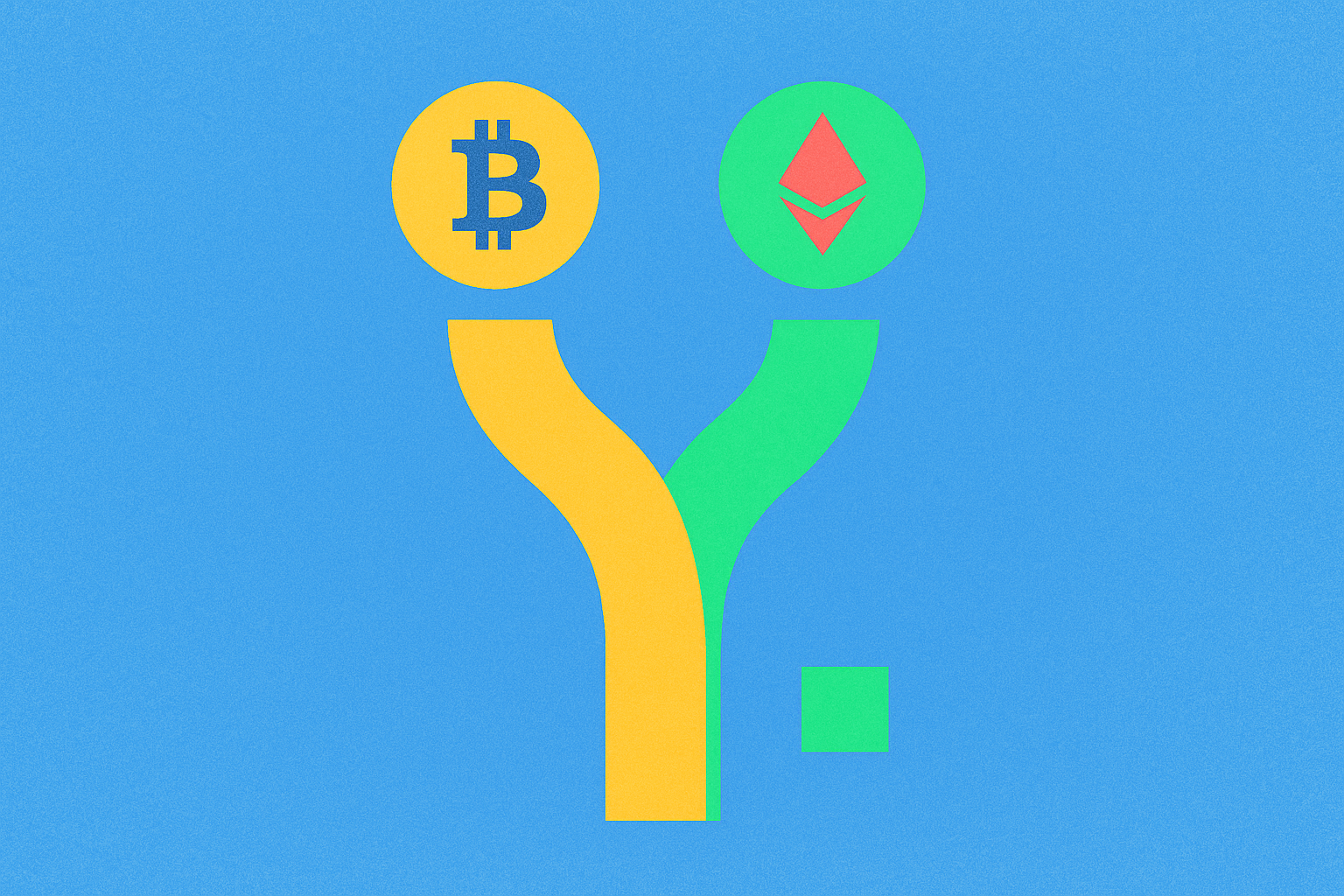
What is a Fork in Simple Words: Git, Cryptocurrencies, Applications and More
The term 'fork' appears in various domains: from cryptocurrencies and programming to applications for televisions and even cyber threats. Despite the diversity of contexts, the essence of the word remains similar — it means a division, copy, or creation of a new version of something based on an existing one. Understanding the meaning of fork across different fields is essential for navigating modern technology.
Fork — What It Is in Simple Terms
The word 'fork' comes from English and traditionally refers to a utensil with a split end. In a metaphorical sense, a 'fork' represents a point where something divides into two or more paths. In technical contexts, a fork refers to the creation of a copy or new version of something, whether it be software code, a blockchain, or an application, which is then developed independently from the original.
Originally, the term emerged in programming, where it indicated the division of a project into two versions. Over time, the concept extended to other domains such as cryptocurrencies, operating systems, and media players. In every case, a fork involves taking a foundation — source code, rules, or structure — and creating a modified version with new features, characteristics, or objectives.
The universal nature of fork as a concept makes it convenient to apply across different fields. In programming, it allows developers to experiment with code without affecting the original project. In cryptocurrencies, a fork can lead to the creation of a new currency with modified rules. In applications, a fork creates an alternative version of the program, often with enhanced functionality. However, this widespread usage can also create confusion. A fork in Git and a fork in blockchain are entirely different processes, although they are united by the concept of separation. To avoid misunderstandings, it is important to consider the context in which the term is used.
What is a Fork in Cryptocurrency
Cryptocurrencies such as Bitcoin, Ethereum, and other digital assets are based on blockchain — a decentralized technology that stores transaction data as a chain of blocks. A fork in cryptocurrency is a change to the rules governing the blockchain, which can result in the chain splitting into two different versions. Such changes often lead to heated discussions within the community, as they affect not only the technical aspects but also the economics and philosophy of the project.
A blockchain consists of blocks, each containing information about transactions. All participants in the network, or nodes, must follow the same rules to maintain the integrity and consistency of the chain. A fork occurs when part of the community decides to change these rules. The reasons for this can vary: increasing transaction speed by changing block size, introducing new features such as smart contract support, fixing security vulnerabilities or protocol errors, or resolving community disputes about the project's future.
When new rules are incompatible with old ones, the blockchain divides into two chains. One continues to operate under the old rules, while the other uses the updated ones. Each chain becomes independent, and network participants — miners, developers, users — choose which one to support. Sometimes a fork results in the creation of a new cryptocurrency that can be traded on major digital asset platforms.
Forks in blockchain are divided into two main types: Hard Fork and Soft Fork. They differ in the depth of change and their impact on the network. A hard fork is a fundamental rule change that is incompatible with the previous version of the blockchain. Nodes that have not updated their software cannot interact with the new chain. A hard fork often leads to blockchain division and the creation of a new cryptocurrency. For example, a notable hard fork in the Bitcoin network involved part of the community deciding to increase the block size to speed up transactions, leading to the creation of an alternative cryptocurrency. This is a classic example of a hard fork, where the new currency began trading separately from the original Bitcoin.
A soft fork is a gentler change that remains compatible with old rules. Nodes that have not updated their software can continue operating in the network, though with some limitations. A soft fork does not create a new chain but simply modifies the existing one. A good example is the SegWit update in Bitcoin, which optimized transaction structure without splitting the network. Hard forks typically generate more controversy because they require all network participants to accept the new rules or remain on the old chain. Soft forks are less contentious because they allow the network to continue functioning in a unified format.
Notable cryptocurrency forks demonstrate how these events can significantly impact the market. Historical hard forks in the Bitcoin ecosystem emerged when the community split over scalability disagreements, with some developers and miners wanting to increase block size to handle more transactions. Ethereum experienced a significant hard fork following a security incident where substantial amounts of cryptocurrency were affected. The majority of the community decided to change the blockchain to address the situation, but some participants remained loyal to the original chain. This fork became an example of ideological disagreement where a technical solution met ethical questions and blockchain immutability. Other major forks saw developers deciding to increase block size and implement different protocol approaches based on varying visions for cryptocurrency development.
Forks in cryptocurrencies are not merely technical changes but also social processes. They reflect disagreements within the community, power struggles, and different visions for the project's future. For traders and investors, forks present both risks and opportunities. For example, holders of the original currency often receive an equivalent amount of the new currency, which can increase their portfolio. However, price fluctuations during forks require caution.
What is a Fork in Git and Programming
In the programming world, a fork is most commonly associated with the Git version control system and platforms such as GitHub, GitLab, or Bitbucket. The term is also used in other contexts, such as creating new operating system distributions or modified applications.
A fork in Git is the creation of a copy of a repository — a collection of files and change history — that allows you to work on a project independently from the original. On platforms like GitHub, the fork is created in your account, giving you complete freedom to make changes. The main reasons for forking include making changes to a project (if you want to add a new feature or fix a bug in someone else's project but lack direct write permissions, you can fork the repository, make changes, and propose them via a pull request), creating your own version (a fork allows you to take a project as a foundation and develop it in a new direction by adding unique features), and conducting experiments (you can test new ideas or approaches without risking damage to the original code).
A fork is a powerful tool for collaborative development based on open-source projects. Thanks to forks, the community can improve programs by creating more efficient and functional versions.
The process of creating a fork on GitHub is simple and requires only a few steps. First, navigate to the repository page you wish to fork. Then, click the Fork button in the upper right corner of the page. The platform creates a copy of the repository in your account. Now you can work with this copy: make changes, add new files, or experiment. If you want to propose your changes to the original project, create a pull request through the GitHub interface so the authors can review your changes. After forking, you work with an independent copy but can synchronize it with the original repository as needed to receive the latest updates.
The terms "fork" and "clone" are sometimes confused but refer to different processes. A fork is the creation of a copy of a repository on a server, such as GitHub. The fork is located in your account and is completely independent from the original. You can make changes without affecting the original project. A clone, conversely, is the creation of a local copy of a repository on your computer. You can clone both the original repository and your fork to work with the code offline. For example, you might fork a repository on GitHub and then clone it to your computer to begin development. A fork is an action on the server, while a clone occurs on your device.
Forking in programming is not limited to Git. This term is also used to describe new versions of operating systems or applications based on existing ones. In the Linux world, a fork involves creating a new distribution based on an existing one. For example, Ubuntu is a fork of Debian that adapted the base system for a wider audience. Linux Mint, in turn, forked from Ubuntu and added its own interface and tools. Such forks allow developers to create systems focused on specific tasks or users. Application forking involves creating a modified version of a program based on its source code. For instance, the Brave browser is a fork of Chromium but focused on privacy, ad blocking, and integrated features. Application forks often emerge when developers want to add features absent in the original or change the monetization approach.
Forks in programming are the foundation for innovation. They enable developers to experiment, adapt projects to their needs, and share results with the community. However, it is important to respect the licenses of original projects to avoid legal issues.
Fork in Other Fields
The term 'fork' extends beyond cryptocurrencies and programming, finding application in unexpected areas. ForkPlayer is a popular application for smart TVs that allows you to view internet content: movies, series, IPTV channels, and other media. It is a fork of the original media player that was modified to facilitate access to online resources. The main features of ForkPlayer include support for public playlists for free content access, the ability to add custom links and playlists, and easy configuration for various TV models. ForkPlayer has become popular due to its versatility and user-friendliness. However, it is important to note that using unauthorized content through such applications can violate copyright laws. For safe usage, choose only legal sources.
A forkbomb is a type of malicious script or program that creates an unlimited number of processes in the operating system, overwhelming its resources. This leads to system freezing or complete crash. A forkbomb exploits the fork mechanism — the creation of new processes — that exists in most operating systems such as Linux or macOS. Imagine a program that starts two new processes, each of which starts two more, and so on. Within seconds, the system exhausts available resources such as CPU time and memory. Forkbombs are dangerous for servers because they can crash them and disrupt the operation of websites or services. To protect against forkbombs, system administrators set limits on the number of processes a user can create. In Linux, for example, the ulimit command is used for this purpose. Users should also avoid running unknown scripts, especially from unverified sources.
Conclusion
A fork is a universal concept that underlies innovation and development across various fields. In cryptocurrencies, forks enable the creation of new currencies and allow blockchain adaptation for new purposes. In programming, forks give developers the freedom to experiment, improve projects, and create their own software versions, as seen with Ubuntu or the Brave browser. Even in consumer technology such as smart TVs, forks like ForkPlayer make content more accessible and convenient.
Understanding which type of fork is being referenced helps avoid confusion and navigate the technical landscape more effectively. For traders, knowledge about forks is important because they can influence cryptocurrency prices and open new investment opportunities. For developers, forks provide a way to contribute to open-source projects or create something unique. For ordinary users, understanding forks makes technology more transparent and comprehensible. Whether you are interested in cryptocurrencies, programming, or simply setting up your television, knowledge about forks will help you better understand modern technologies and use them to your advantage.
FAQ
What is the definition of a fork?
A fork is a change to the blockchain protocol that creates a new version of the network. It occurs when developers modify the code, resulting in a divergence from the original chain. Forks can be soft forks (backward compatible) or hard forks (non-compatible), leading to either a single chain or two separate chains.
Why is it called fork?
A fork refers to a blockchain split where the original code is duplicated and modified. It creates a new cryptocurrency branch with different features, governance, or rules while maintaining the original ledger history. Forks enable innovation and community-driven development in blockchain ecosystems.
What is a fork in computers?
A fork is a copy of a blockchain's code that creates a new independent version. It occurs when developers modify the original protocol rules, resulting in a separate network with its own transactions and history.

Understanding Crypto Slippage: A Clear Explanation

Top Crypto Trading Simulation Tools for Beginners

Understanding Crypto Airdrops: A Beginner's Guide

Take Profit and Stop Loss: What They Are and Why You Need Them

Understanding Crypto Futures: A Beginner's Guide to Trading
Comprehensive Guide to Effective DeFi Yield Farming Strategies

What is BULLA coin: analyzing whitepaper logic, use cases, and team fundamentals in 2026

What is on-chain data analysis and how does it reveal whale movements and active addresses in crypto?

What is Vodra (VDR) crypto: whitepaper logic, use cases, and fundamentals analysis for 2026

How do cryptocurrency competitors compare in market share, performance, and user adoption in 2026?

What is on-chain data analysis and how does it predict crypto market trends
