

Search Token/Wallet
TPS là gì?
2026-01-04 14:03
Blockchain
Crypto Tutorial
Layer 2
Web 3.0
Zero-Knowledge Proof
Article Rating : 3
124 ratings
# Khái Niệm Về TPS Trong Công Nghệ Blockchain
TPS (Transactions Per Second) là chỉ số then chốt đo lường khả năng xử lý giao dịch của blockchain, ảnh hưởng trực tiếp đến tốc độ, khả năng mở rộng và trải nghiệm người dùng. Bài viết cung cấp cái nhìn toàn diện về cơ chế hoạt động của TPS, tầm quan trọng của nó đối với nhà đầu tư và trader trên các sàn giao dịch như Gate, cùng với so sánh TPS giữa các blockchain hàng đầu (Bitcoin, Ethereum, Solana). Ngoài ra, bài viết phân tích ưu điểm, rủi ro và cách thức cân bằng giữa hiệu suất cao và bảo mật, đồng thời khám phá mối liên hệ phức tạp giữa TPS và phân tán hóa.
## Tầm quan trọng của TPS đối với nhà đầu tư, trader và người dùng
TPS không chỉ là một chỉ số kỹ thuật; nó còn có ý nghĩa thiết thực đối với nhà đầu tư, trader và người dùng cuối. Một TPS cao cho thấy một hệ thống có khả năng xử lý giao dịch nhanh chóng, giảm thiểu thời gian chờ và tăng cường trải nghiệm người dùng. Điều này đặc biệt quan trọng trong các thị trường tài chính, nơi mà tốc độ có thể ảnh hưởng trực tiếp đến lợi nhuận của các nhà giao dịch. Khi một nền tảng có TPS cao, người dùng có thể thực hiện các giao dịch của họ mà không phải chịu những độ trễ không cần thiết, từ đó cải thiện hiệu suất giao dịch tổng thể.
## TPS hoạt động như thế nào?
TPS, viết tắt của "Transactions Per Second", được tính bằng cách đo số lượng giao dịch hoàn thành trong một khoảng thời gian nhất định và chia cho số giây trong khoảng thời gian đó. Ví dụ, nếu một hệ thống xử lý được 1000 giao dịch trong 10 giây, thì [TPS](https://dex.gate.com/blog/15756/what-is-tps-2025-ultimate-blockchain-speed-transaction-guide) của nó là 100. Công thức này cho phép đánh giá khả năng xử lý giao dịch của bất kỳ hệ thống nào một cách khách quan. Để tăng TPS, các hệ thống có thể tối ưu hóa cơ sở dữ liệu, cải thiện thuật toán xử lý, hoặc sử dụng phần cứng mạnh mẽ hơn. Ngoài ra, việc áp dụng các giải pháp công nghệ tiên tiến cũng có thể giúp nâng cao chỉ số này một cách đáng kể.
## Ví dụ và ứng dụng thực tế của TPS
Trong lĩnh vực blockchain, Ethereum và Bitcoin là hai ví dụ điển hình về tầm quan trọng của TPS. Ethereum, với các cải tiến như [sharding](https://dex.gate.com/crypto-wiki/article/unlocking-ethereum-s-scalability-understanding-data-sharding-20251116) và Ethereum 2.0, đang nỗ lực nâng cao TPS để hỗ trợ nhiều ứng dụng hơn. Trong khi đó, các giải pháp như [Lightning Network](https://dex.gate.com/crypto-wiki/article/understanding-bitcoin-s-lightning-network-a-comprehensive-guide-to-faster-transactions-20251220) của Bitcoin cũng nhằm mục đích tăng TPS bằng cách xử lý giao dịch ngoài chuỗi chính. Những nỗ lực này cho thấy rằng cộng đồng blockchain nhận thức rõ về tầm quan trọng của TPS trong việc phát triển các ứng dụng quy mô lớn và hiệu quả hơn.
## Ưu điểm và rủi ro của TPS cao
Một TPS cao mang lại nhiều lợi ích như tốc độ giao dịch nhanh, khả năng mở rộng tốt và trải nghiệm người dùng suôn sẻ. Khi TPS cao, các nhà giao dịch có thể thực hiện nhiều giao dịch trong thời gian ngắn mà không gặp phải tình trạng tắc nghẽn hoặc độ trễ. Tuy nhiên, việc tăng TPS có thể dẫn đến các vấn đề về an toàn và bảo mật, vì các hệ thống phải xử lý một lượng lớn dữ liệu trong thời gian ngắn, có thể làm tăng khả năng xảy ra lỗi hoặc lỗ hổng. Do đó, việc cân bằng giữa hiệu suất cao và bảo mật là một thách thức quan trọng mà các nhà phát triển hệ thống phải đối mặt.
## So sánh TPS trong các dự án blockchain khác nhau
So sánh TPS giữa các blockchain như [Ethereum](https://dex.gate.com/crypto-wiki/article/exploring-ethereum-s-innovative-leadership-in-technology-20251220), Bitcoin và các đối thủ mới nổi như Solana hay [Cardano](https://dex.gate.com/crypto-wiki/article/understanding-cardano-a-deep-dive-into-blockchain-technology-20251220) có thể giúp nhà đầu tư hiểu rõ hơn về tiềm năng và hạn chế của từng nền tảng. Solana, ví dụ, được biết đến với TPS rất cao, lên đến hàng chục nghìn, trong khi Bitcoin chỉ có TPS khoảng 7 giao dịch mỗi giây. Sự khác biệt này phản ánh các lựa chọn thiết kế khác nhau giữa các blockchain, trong đó một số ưu tiên tốc độ cao trong khi những cái khác tập trung vào tính phân tán và bảo mật.
## TPS trên các nền tảng giao dịch hàng đầu
Các sàn giao dịch tiền điện tử hàng đầu luôn chú trọng đến việc cải thiện TPS để đảm bảo trải nghiệm giao dịch mượt mà và hiệu quả cho người dùng. Việc tăng cường TPS giúp các nền tảng xử lý lượng lớn giao dịch trong thời gian ngắn, làm giảm độ trễ và cải thiện độ tin cậy của sàn giao dịch. Điều này đặc biệt quan trọng trong các thời kỳ có khối lượng giao dịch cao, khi số lượng người dùng tăng đột biến và nhu cầu xử lý giao dịch nhanh chóng trở nên cấp bách hơn bao giờ hết.
## FAQ
### TPS là gì? Nó có ý nghĩa gì trong blockchain?
TPS là viết tắt của Transactions Per Second(mỗi giây xử lý được bao nhiêu giao dịch)。Chỉ số này thể hiện khả năng xử lý giao dịch của blockchain。TPS càng cao,blockchain càng có khả năng mở rộng tốt hơn,xử lý nhiều giao dịch đồng thời。
### TPS cao hay thấp tốt hơn? Tại sao TPS lại quan trọng?
TPS cao thường tốt hơn vì xử lý giao dịch nhanh chóng và hiệu quả hơn。TPS quan trọng vì nó ảnh hưởng trực tiếp đến tốc độ mạng,khả năng xử lý khối lượng giao dịch lớn,và trải nghiệm người dùng。
### Bitcoin, Ethereum, Solana có TPS bao nhiêu? So sánh TPS giữa các blockchain
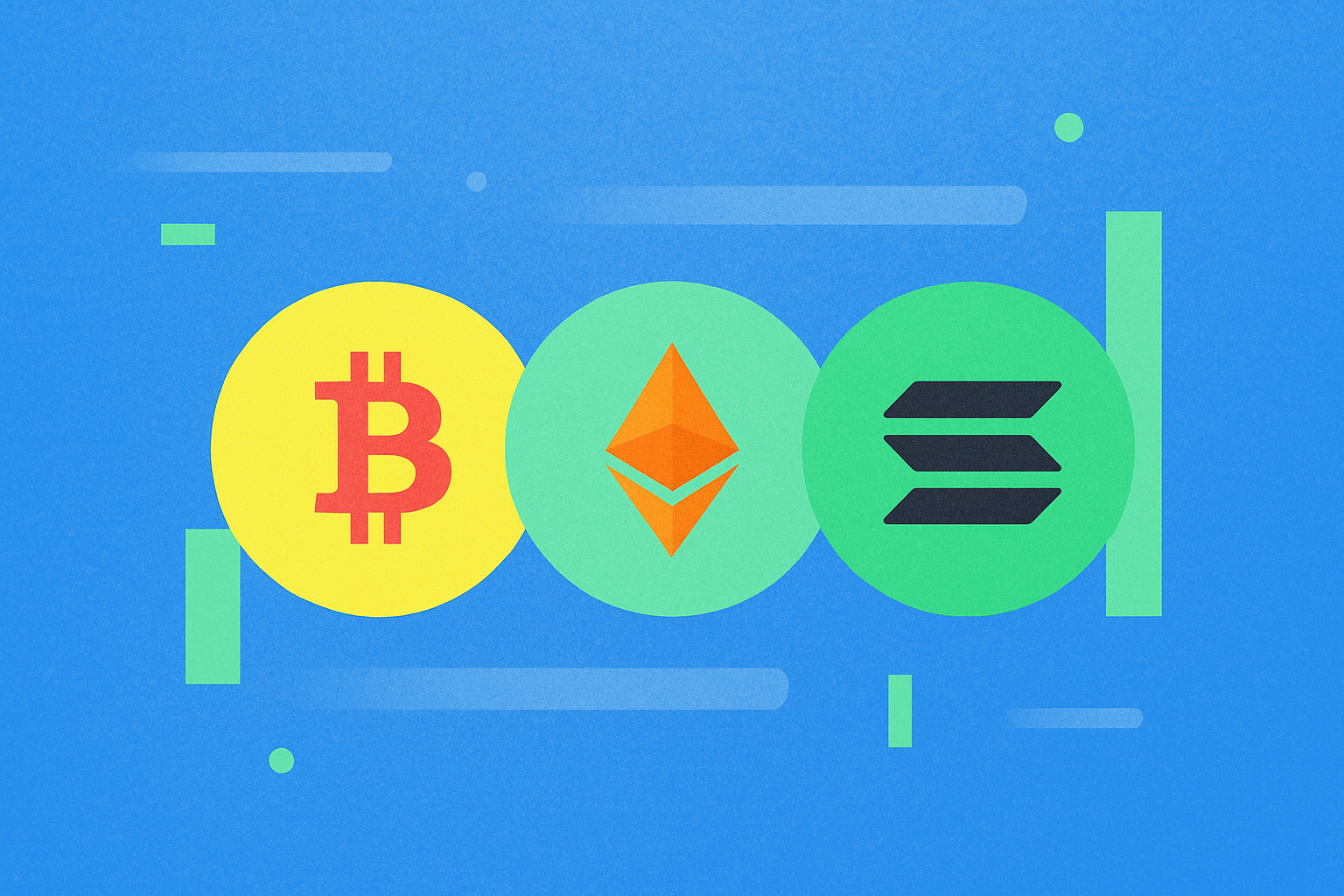
Bitcoin có TPS khoảng 7, Ethereum khoảng 30, còn Solana lên tới 65.000 TPS. [Solana](https://dex.gate.com/crypto-wiki/article/introduction-and-value-analysis-of-the-solana-blockchain-platform-20251227) nhanh hơn [Ethereum 2.0](https://dex.gate.com/crypto-wiki/article/understanding-the-ethereum-2-0-upgrade-what-you-need-to-know)00 lần và Bitcoin 9.000 lần, là blockchain có tốc độ xử lý giao dịch cao nhất trong ba đối tượng so sánh này。
### Làm thế nào để tăng TPS của một blockchain?
Để tăng TPS,có thể sử dụng giải pháp [Layer 2](https://dex.gate.com/crypto-wiki/article/exploring-the-future-of-layer-2-scaling-in-cryptocurrency-20251116) như [Rollup](https://dex.gate.com/crypto-wiki/article/understanding-rollup-cryptocurrencies-a-comprehensive-guide-20251220)(Optimistic Rollup hoặc Zero-Knowledge Proof)để xử lý giao dịch ngoài lớp chính,hoặc tối ưu hóa cơ chế đồng thuận và tăng kích thước khối。
### TPS và độ phân tán (decentralization) có mối liên hệ như thế nào?
TPS và decentralization có mối liên hệ phức tạp:tăng decentralization thường giảm TPS do nhiều nút xác thực gây chậm đồng thuận,ngược lại tập trung hóa có thể nâng TPS nhưng giảm an toàn tính。Cân bằng giữa hai yếu tố này là thách thức cốt lõi của thiết kế blockchain。
* The information is not intended to be and does not constitute financial advice or any other recommendation of any sort offered or endorsed by Gate.
Related Articles

Top Decentralized Exchange Aggregators for Optimal Trading
Exploring top DEX aggregators in 2025, this article highlights their role in enhancing crypto trading efficiency. It addresses challenges faced by traders, such as finding optimal prices and reducing slippage, while ensuring security and ease of use. A practical overview of 11 leading platforms is provided, with guidance on selecting the right aggregator based on trading needs and security features. Designed for crypto traders seeking efficient and secure trading solutions, the article emphasizes the evolving benefits of using DEX aggregators in the DeFi landscape.
2025-12-24

Understanding Web3 Wallets: A Comprehensive Guide
This article provides a comprehensive guide to understanding Web3 wallets, highlighting their significance in securely managing and trading digital assets. It delves into the infrastructure of these wallets, their compatibility with decentralized applications, and their empowerment of users through non-custodial control. Targeted at cryptocurrency traders and investors, the article addresses the need for secure storage solutions and explores the variety of Web3 wallets available, including hardware and software options. It also discusses Web3's advanced internet framework, security features, and benefits, making it essential reading for anyone navigating the decentralized digital economy.
2025-12-22
What is Avalanche (AVAX): A Complete Fundamentals Analysis of Whitepaper Logic, Use Cases, and Technical Innovation
This article offers an in-depth analysis of Avalanche (AVAX) covering its three-chain architecture innovation, token utility, ecosystem expansion, and competitive positioning. It explores how Avalanche enables high transaction throughput, efficient governance, and diverse use cases in DeFi, RWA, and gaming sectors. Targeted at developers and blockchain enthusiasts, the article details the strategic roadmap and contrasts Avalanche's performance against rivals like Solana and Ethereum. Key themes include AVAX's versatile design and institutional adoption, providing essential insights for understanding this emerging blockchain platform.
2025-12-21
Understanding Governance Tokens: A Comprehensive Guide
The article "Understanding Governance Tokens: A Comprehensive Guide" explores the significance of governance tokens in decentralized decision-making within the cryptocurrency ecosystem. It explains how these tokens empower users with voting rights, facilitating democratic participation and equitable governance in blockchain projects. The guide distinguishes between governance tokens and utility tokens, providing insights into their unique roles and functions. Readers learn about the operational mechanics, pros and cons, and trading platforms like Gate for acquiring governance tokens. Additionally, the article provides real-world examples such as Uniswap, Aave, and MakerDAO to illustrate governance tokens in action.
2025-12-19
Complete Guide to Blockchain Gas Fees in Web3
This article provides a comprehensive guide to blockchain gas fees, a crucial aspect of Web3 transactions affecting costs, processing times, and user experiences. It details what gas fees are, their calculations, and the role of different tokens, helping users navigate transaction challenges like failures due to insufficient funds or network congestion. The piece also explores innovative solutions like Instant Gas and token-based reward systems, ensuring seamless interaction on major blockchain networks. Ideal for blockchain users seeking to optimize transaction success rates, the guide underscores the importance of understanding gas fees in ensuring efficient Web3 participation.
2025-12-19
Blockchain-Powered Music Royalty Distribution: Avalanche Drives the Digital Transformation
See how Avalanche is transforming music royalty payments with blockchain. Artists receive instant payouts, full transparency, and direct access without intermediaries. Record Finance and Avalanche are reshaping the music industry through innovative Web3 solutions and USDC stablecoins. The future of creative finance begins now.
2025-12-27
Recommended for You

What is BULLA coin: analyzing whitepaper logic, use cases, and team fundamentals in 2026
BULLA coin introduces decentralized accounting and on-chain data management innovation built on BNB Smart Chain, eliminating intermediaries while ensuring real-time transaction verification. The platform addresses critical gaps in cryptocurrency infrastructure by embedding accounting logic directly into smart contracts, enabling transparent audit trails and regulatory compliance. Real-world applications include seamless transaction imports across multiple exchanges, comprehensive crypto portfolio tracking, and secure record-keeping for investors. Trade import tools enhance user experience by automating data categorization and consolidation. Founded in 2021 by blockchain architect Benjamin with support from experienced fintech designers and engineers, BULLA Networks demonstrates active development momentum with continuous smart contract iterations through early 2026. The 2026-2027 strategic roadmap prioritizes network infrastructure expansion and enhanced security protocols, positioning BULLA as a robust decen
2026-02-08

What is on-chain data analysis and how does it reveal whale movements and active addresses in crypto?
On-chain data analysis reveals cryptocurrency market dynamics by examining active addresses and transaction metrics that expose whale movements and investor behavior. This comprehensive guide explores how blockchain data serves as a critical market indicator, demonstrating the correlation between large holder activities and price movements—such as FLOKI's 950% surge in whale transactions. The article covers whale movement tracking, holder distribution patterns showing 73.47% concentration among major stakeholders, and on-chain fee trends as cycle indicators. Essential metrics include active addresses reflecting genuine network participation, transaction volumes revealing strategic positioning, and network congestion patterns during market cycles. By tracking these interconnected indicators through platforms like Glassnode and Gate, investors and traders can identify market sentiment shifts, anticipate price movements, and distinguish institutional activity from retail participation, making on-chain analysis i
2026-02-08

What is Vodra (VDR) crypto: whitepaper logic, use cases, and fundamentals analysis for 2026
Vodra (VDR) is a decentralized blockchain platform revolutionizing creator economics through AI-powered infrastructure and transparent compensation systems. The project addresses the creator economy's core challenge—unfair intermediary-controlled monetization—by enabling direct audience-to-creator transactions without traditional gatekeepers. VDR's whitepaper establishes a dual-layer architecture combining artificial intelligence for content assistance with blockchain verification for security and transparency. The platform's real-world applications extend from content monetization to DeFi ecosystem integration, real-world asset tokenization, and AI-driven automation by 2026. Founded by former Google engineer Yu Hu with backing from prominent investors like Dragonfly and The Spartan Group, Vodra positions itself at the intersection of Web3 infrastructure and creator empowerment. Key acquisition channels include Gate and other decentralized exchanges, with development roadmaps targeting API standardization, en
2026-02-08

How do cryptocurrency competitors compare in market share, performance, and user adoption in 2026?
This comprehensive analysis examines how major cryptocurrency competitors diverge across market share, performance, and user adoption in 2026. Bitcoin maintains dominance above 60% while institutional investors adopt core-satellite portfolios allocating 60-80% to Bitcoin and 15-25% to Ethereum. Layer-2 solutions command a decisive 40% market share advantage over legacy networks, with Solana leading at 1,133 TPS and driving institutional TVL beyond $50 billion. Regional adoption varies dramatically: Asia-Pacific accelerates at 11.6% CAGR driven by digital transformation, while North America concentrates 75% institutional users. Trading activity concentrates on Gate and leading platforms, with top five cryptocurrencies maintaining 61% combined market share. Understanding these divergent trajectories is essential for investors navigating competitive positioning and institutional capital flows.
2026-02-08

What is on-chain data analysis and how does it predict crypto market trends
This comprehensive guide explores on-chain data analysis as a foundational tool for predicting cryptocurrency market trends. The article examines how blockchain metrics—including active addresses, transaction volume, and network health—reveal genuine market sentiment beyond price action alone. Key sections analyze whale movements as reliable leading indicators of market direction, demonstrating how large holder distribution patterns expose institutional positioning before broader price shifts occur. The guide further demonstrates how gas fee trends and network congestion serve as real-time sentiment gauges across different blockchain architectures. By tracking these on-chain indicators on platforms like Gate, traders can identify market opportunities before mainstream recognition. The article emphasizes that while on-chain analysis provides measurable predictive value through transaction flow analysis and holder behavior patterns, it functions best as a complementary tool alongside other market analysis metho
2026-02-08

How Does VeChain (VET) Community and Ecosystem Activity Compare to Other Layer 1 Cryptocurrencies in 2026?
This comprehensive analysis examines VeChain's community and ecosystem activity relative to competing Layer 1 blockchains in 2026. The article evaluates VeChain's multimillion-follower social infrastructure across Discord and Telegram, extensive developer ecosystem featuring 5,000+ DApps, and robust on-chain metrics with 2.5 million daily active addresses. Key findings highlight VeChain's enterprise-grade differentiation through supply chain solutions, institutional partnerships with Fortune 500 organizations, and proven real-world applications. While VeChain demonstrates lower developer numbers than Ethereum and Solana, its focused positioning in enterprise adoption, regulatory compliance through MiCA alignment, and strategic partnerships with DNV and Boston Consulting Group establish competitive advantages in B2B blockchain adoption, positioning VET as a distinctive Layer 1 leader within enterprise-centric ecosystems.
2026-02-08