
LCP_hide_placeholder
fomox
Search Token/Wallet
/

Scrypt

2026-01-08 04:28
Altcoins
Blockchain
Crypto Tutorial
Mining
PoW
Article Rating : 4
21 ratings
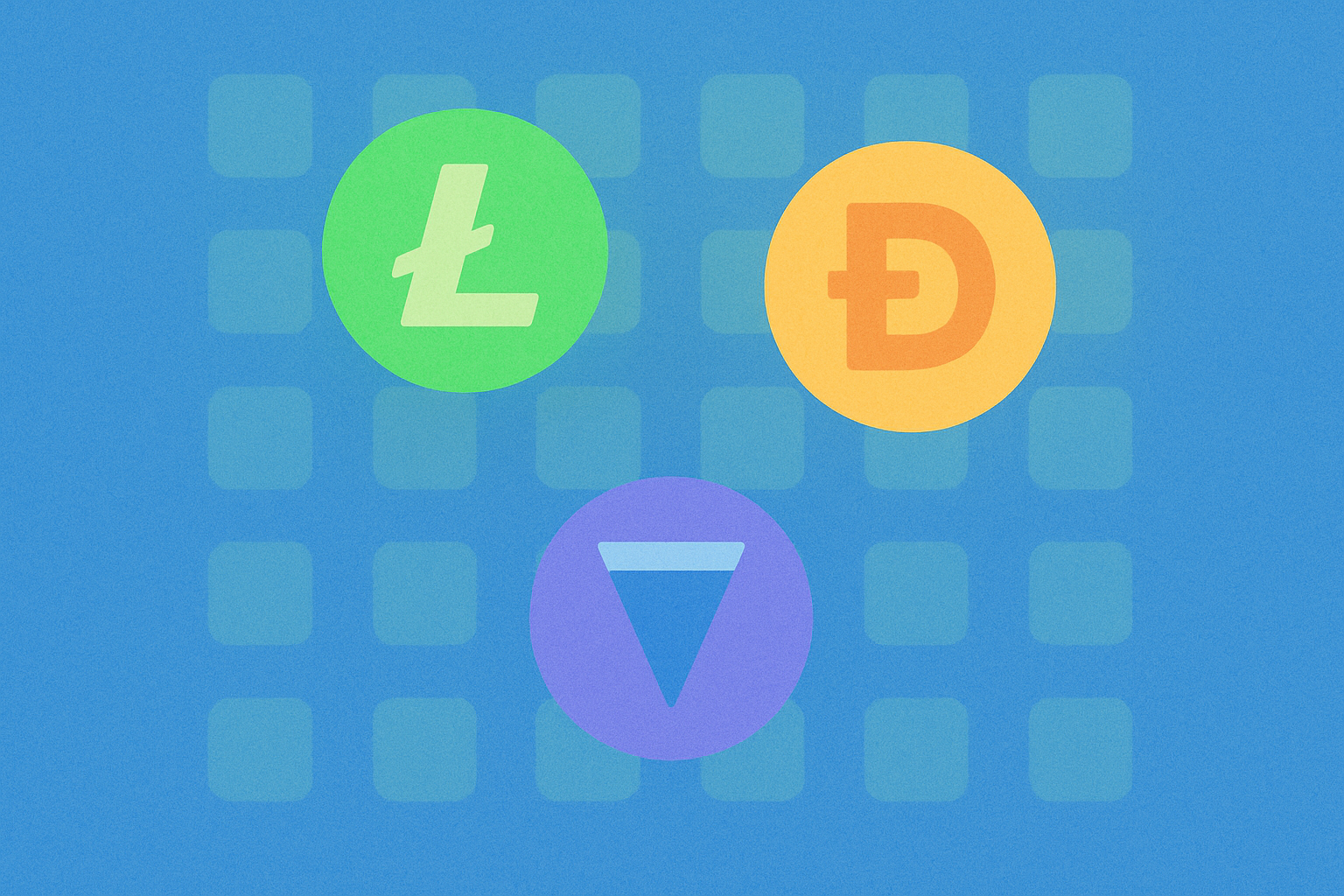
This article explores Scrypt, a memory-intensive cryptographic algorithm designed to democratize cryptocurrency mining and enhance network decentralization. Developed in 2009, Scrypt contrasts with Bitcoin's SHA-256 by prioritizing memory requirements over computational power, enabling individual miners to compete using consumer-grade hardware. The article examines Scrypt's widespread adoption across cryptocurrencies including Litecoin, Dogecoin, and Verge, analyzing how it fosters more accessible mining ecosystems. It addresses market dynamics, highlighting Scrypt-based coins' appeal to investors seeking decentralized alternatives and their sustainability advantages. The content discusses current challenges from ASIC development and explores Scrypt's role in shaping future blockchain innovations. This comprehensive guide serves investors, traders, and mining enthusiasts seeking to understand Scrypt's technical foundations and investment implications within the digital asset landscape on platforms like Gate.
Scrypt

Historical Context and Technological Significance

Scrypt was developed by Colin Percival in 2009 as a cryptographic algorithm specifically designed for Tarsnap, an online backup service. The primary rationale behind its creation was to make large-scale custom hardware attacks significantly more difficult due to the algorithm's high demand on memory resources. This represented a fundamental shift from traditional cryptographic approaches that primarily relied on processing power.

The algorithm's memory-intensive nature stands in stark contrast to the SHA-256 algorithm used by Bitcoin, which primarily requires computational processing power and has consequently led to the rise of specialized mining industries dominated by ASIC (Application-Specific Integrated Circuit) hardware. This difference in approach has profound implications for the accessibility and decentralization of cryptocurrency mining.

The introduction of Scrypt marked a pivotal moment in the cryptocurrency ecosystem as it influenced the development of numerous altcoins that opted for memory-hard algorithms. These cryptocurrencies aimed to encourage more decentralized and accessible mining operations, allowing individual miners with consumer-grade hardware to participate meaningfully in the network validation process. This democratization of mining has been one of Scrypt's most significant contributions to the broader cryptocurrency landscape.

The adoption of Scrypt was notably popularized by Litecoin, which was introduced in 2011 as a lighter alternative to Bitcoin. Litecoin's strategic choice of Scrypt was aimed at allowing more users to mine the currency with consumer-grade hardware, such as CPUs and GPUs, contrasting sharply with Bitcoin's increasing reliance on specialized ASIC hardware. This approach successfully democratized mining operations to a considerable extent, leading to a broader and more geographically distributed base of miners.

Use Cases of Scrypt

Beyond Litecoin, Scrypt has been employed by several other prominent cryptocurrencies, each leveraging the algorithm's unique characteristics to foster more accessible mining ecosystems. Notable among these implementations is Dogecoin, which started as a meme-inspired cryptocurrency but quickly evolved into a significant digital asset due to its user-friendly approach and adoption of the Scrypt algorithm. The choice of Scrypt allowed Dogecoin to maintain a more decentralized mining network, contributing to its community-driven ethos.

Other cryptocurrencies utilizing Scrypt include Verge, which focuses on privacy features while maintaining accessible mining; Bitmark, which emphasizes digital property rights; and PotCoin, designed for the cannabis industry. Each of these projects chose Scrypt for similar fundamental reasons to Litecoin: to foster a more egalitarian mining environment where individual participants could compete effectively without requiring substantial capital investment in specialized hardware.

The widespread adoption of Scrypt across these diverse projects demonstrates the algorithm's versatility and its appeal to cryptocurrency developers seeking to build more inclusive and decentralized networks. By lowering the barrier to entry for miners, Scrypt-based cryptocurrencies have created opportunities for broader community participation in network security and validation processes.

Market Impact and Investment Landscape

The introduction of Scrypt has had a profound impact on the market dynamics and investment landscape of cryptocurrencies. By significantly lowering the entry barrier for miners, Scrypt-based cryptocurrencies have often been perceived as more democratic and decentralized compared to their ASIC-dominated counterparts. This perception has potentially increased their appeal to investors who are concerned about the centralization of mining operations observed in Bitcoin and other SHA-256 based cryptocurrencies.

The use of Scrypt has important implications for network security and the distribution of mining rewards. The more distributed nature of Scrypt mining can contribute to enhanced network resilience, as the mining power is spread across a larger number of independent participants rather than being concentrated in large mining farms. This distribution can influence both the market stability of these coins and their attractiveness to investors seeking exposure to more decentralized cryptocurrency networks.

From an investment perspective, Scrypt-based cryptocurrencies offer diversification opportunities within cryptocurrency portfolios. The different mining economics and network characteristics compared to Bitcoin and Ethereum can provide alternative risk-return profiles that may appeal to different investor segments. Understanding these technical and economic differences is crucial for investors making informed decisions about portfolio allocation in the digital asset space.

As the cryptocurrency market continues to evolve, the role of Scrypt remains significant in shaping the future of digital asset mining and network security. With growing concerns over the environmental impact of cryptocurrency mining, particularly the energy-intensive processes used by currencies like Bitcoin, Scrypt's comparatively lower energy requirements present a potentially more sustainable alternative for proof-of-work consensus mechanisms.

The continuous development in ASIC technology, however, presents ongoing challenges to Scrypt's original goal of ASIC resistance. Over the past several years, manufacturers have developed Scrypt-specific ASIC miners that can outperform consumer-grade hardware, potentially threatening the democratization that Scrypt was designed to promote. This evolution has prompted discussions within cryptocurrency communities about potential algorithm modifications or adaptations to maintain mining accessibility.

In the context of mainstream cryptocurrency exchanges, Scrypt-based cryptocurrencies are actively traded, offering investors and traders diverse options beyond Bitcoin and Ethereum. Major trading platforms facilitate robust trading environments that support a wide array of cryptocurrencies, thereby promoting liquidity and accessibility for coins mined with Scrypt. This institutional support has been crucial in maintaining the relevance and market presence of Scrypt-based digital assets.

Looking forward, the cryptocurrency community continues to explore innovations that build upon Scrypt's foundational principles. These developments may include hybrid consensus mechanisms, enhanced memory-hard algorithms, or entirely new approaches to achieving decentralized and accessible mining. The lessons learned from Scrypt's implementation over the past decade will undoubtedly inform these future innovations.

Conclusion

Scrypt remains a crucial component in the cryptocurrency ecosystem, primarily due to its distinctive approach to democratizing mining operations and its significant implications for network security and decentralization. The algorithm's memory-intensive design has successfully enabled broader participation in cryptocurrency mining, allowing individuals with consumer-grade hardware to contribute meaningfully to network validation processes.

The application of Scrypt across various cryptocurrencies, from established projects like Litecoin and Dogecoin to specialized implementations like Verge and PotCoin, underscores its ongoing relevance in the digital asset landscape. Its impact on market dynamics, mining economics, and technological development continues to shape the evolution of cryptocurrency networks.

For investors and participants in the cryptocurrency market, understanding the technical underpinnings and market dynamics of Scrypt-based cryptocurrencies provides valuable insights for portfolio diversification and risk management. As the digital asset environment continues to evolve rapidly, Scrypt's principles of accessibility, decentralization, and security remain foundational concepts that inform both current practices and future innovations in blockchain technology and cryptocurrency mining.

FAQ

What is Scrypt? What are its main uses?

Scrypt is a key derivation function designed to enhance password security through high computational cost and large memory requirements, making it resistant to brute-force attacks. It is primarily used for secure password storage and cryptographic applications.

What is the difference between Scrypt and SHA-256? Why did Litecoin choose Scrypt?

Scrypt and SHA-256 are different proof-of-work algorithms. Litecoin chose Scrypt to resist ASIC mining dominance and promote decentralized mining, while Bitcoin uses SHA-256.

What are the advantages and disadvantages of Scrypt mining compared to other algorithms?

Scrypt mining offers lower energy consumption and simpler operation compared to SHA-256. However, it lacks robust ASIC support, resulting in lower mining efficiency and reduced profitability for large-scale miners.

How secure is the Scrypt algorithm? Are there any known vulnerabilities?

Scrypt is highly secure with no known major vulnerabilities. Designed by Colin Percival, it requires significant memory to resist custom hardware attacks, making it cryptographically robust and widely trusted in the industry.

How to use Scrypt for password hashing? What is the application principle in password storage?

Scrypt is a password hashing algorithm that secures password storage through computationally intensive operations, making brute-force attacks difficult. It generates derived keys using large pseudo-random bit strings, significantly enhancing security by requiring substantial memory and processing resources.

Why does Scrypt have higher memory requirements than SHA-256? What impact does this have on mining devices?

Scrypt requires more memory to prevent parallel computing and resist ASIC optimization. This raises hardware demands, making it harder to develop specialized mining equipment and promoting more decentralized mining compared to SHA-256.
* The information is not intended to be and does not constitute financial advice or any other recommendation of any sort offered or endorsed by Gate.

Share

Content

Historical Context and Technological Significance

Use Cases of Scrypt

Market Impact and Investment Landscape

Conclusion

FAQ

Related Articles
Understanding Bitcoin's Supply Limit: How Many Bitcoins Exist?

Understanding Bitcoin's Supply Limit: How Many Bitcoins Exist?

The article delves into Bitcoin's finite supply of 21 million coins, shedding light on its implications for the cryptocurrency ecosystem. It explores how Bitcoin's halving mechanism controls supply, impacting mining rewards and inflation. The piece also discusses what happens after all coins are mined, the role of transaction fees, and introduces the Lightning Network's innovation for scalability. Addressing the loss and theft of bitcoins, it highlights security challenges and advancements. Ideal for crypto enthusiasts and investors, the article explains Bitcoin's value proposition rooted in scarcity and decentralization.
2025-12-04
Complete Guide to Blockchain Gas Fees in Web3

Complete Guide to Blockchain Gas Fees in Web3

This article provides a comprehensive guide to blockchain gas fees, a crucial aspect of Web3 transactions affecting costs, processing times, and user experiences. It details what gas fees are, their calculations, and the role of different tokens, helping users navigate transaction challenges like failures due to insufficient funds or network congestion. The piece also explores innovative solutions like Instant Gas and token-based reward systems, ensuring seamless interaction on major blockchain networks. Ideal for blockchain users seeking to optimize transaction success rates, the guide underscores the importance of understanding gas fees in ensuring efficient Web3 participation.
2025-12-19
Pi Network Launch Status and Timeline Update

Pi Network Launch Status and Timeline Update

# Introduction This comprehensive guide details Pi Network's evolution from mobile mining launch in March 2019 through its transformative February 20, 2025 Open Network release. Readers will discover complete timeline information, understand the February 2025 mainnet launch mechanics, and learn how this milestone impacts existing miners and new users. The article examines launch-day price dynamics, ecosystem achievements including 10.14 million migrated pioneers and 100+ operational dApps, and upcoming development phases. Whether you're an established Pi holder, prospective participant, or cryptocurrency enthusiast, this guide provides essential insights into Pi Network's current status, trading availability on Gate, and long-term ecosystem expansion roadmap through 2025 and beyond.
2025-12-27
Litecoin: A Comprehensive Guide to Understanding This Digital Currency

Litecoin: A Comprehensive Guide to Understanding This Digital Currency

This article explores the fundamentals and operational mechanics of Litecoin, positioning it as an essential alternative in the cryptocurrency domain. It examines Litecoin's creation, network features, strengths, challenges, and potential advantages over Bitcoin, making it a valuable resource for those interested in digital currencies and peer-to-peer transactions. By addressing Litecoin's role in retail and e-commerce, its payment methods, and trade prospects on platforms like Gate, it serves traders and investors looking for efficient, innovative cryptocurrency investment opportunities. Key themes include Litecoin's market position, technological contributions, and future prospects.
2025-12-03
A Detailed Analysis of Cryptocurrency Mining Principles and Mechanisms
A Detailed Analysis of Cryptocurrency Mining Principles and Mechanisms

A comprehensive exploration of cryptocurrency mining principles and mechanisms, detailing how Bitcoin mining generates profits and examining the benefits and challenges of different mining approaches. This guide enables beginners, investors, and tech enthusiasts to master essential blockchain concepts.
2025-12-21
Understanding Scrypt: A Comprehensive Overview of the Cryptographic Method

Understanding Scrypt: A Comprehensive Overview of the Cryptographic Method

# Understanding Scrypt: A Comprehensive Overview of the Cryptographic Method Scrypt is a memory-intensive cryptographic algorithm that revolutionized cryptocurrency mining by prioritizing accessibility over specialized hardware dominance. This comprehensive guide explores Scrypt's technical foundations, historical development since 2009, and widespread adoption across major cryptocurrencies like Litecoin and Dogecoin. Designed for investors, traders, and blockchain enthusiasts, this article addresses key concerns about mining decentralization, network security, and sustainable digital asset participation. Discover how Scrypt enables democratic mining ecosystems, influences market dynamics on platforms like Gate, and maintains relevance amid evolving environmental considerations. Whether you're evaluating cryptocurrency investments or understanding proof-of-work alternatives to SHA-256, this overview provides essential insights for informed decision-making in the digital financial landscape.
2025-12-28
Recommended for You
What is BULLA coin: analyzing whitepaper logic, use cases, and team fundamentals in 2026

What is BULLA coin: analyzing whitepaper logic, use cases, and team fundamentals in 2026

BULLA coin introduces decentralized accounting and on-chain data management innovation built on BNB Smart Chain, eliminating intermediaries while ensuring real-time transaction verification. The platform addresses critical gaps in cryptocurrency infrastructure by embedding accounting logic directly into smart contracts, enabling transparent audit trails and regulatory compliance. Real-world applications include seamless transaction imports across multiple exchanges, comprehensive crypto portfolio tracking, and secure record-keeping for investors. Trade import tools enhance user experience by automating data categorization and consolidation. Founded in 2021 by blockchain architect Benjamin with support from experienced fintech designers and engineers, BULLA Networks demonstrates active development momentum with continuous smart contract iterations through early 2026. The 2026-2027 strategic roadmap prioritizes network infrastructure expansion and enhanced security protocols, positioning BULLA as a robust decen
2026-02-08
How does MYX token's deflationary tokenomics model work with 100% burn mechanism and 61.57% community allocation?

How does MYX token's deflationary tokenomics model work with 100% burn mechanism and 61.57% community allocation?

This article examines MYX token's innovative deflationary tokenomics, featuring a distinctive 61.57% community allocation and 100% burn mechanism. The community-focused distribution empowers token holders through MYX DAO governance while ensuring value flows back to ecosystem participants. The 100% burn mechanism systematically removes node-generated revenue from circulation, reducing the total supply from one billion tokens and creating genuine scarcity. This supply-driven deflation counters inflation pressures and strengthens long-term holder value without requiring external demand. The combination of broad community distribution and aggressive token elimination creates sustainable deflationary economics. Ideal for investors seeking to understand how MYX Finance aligns community interests with protocol success through structural value preservation and decentralized governance mechanisms on Gate exchange.
2026-02-08
What Are Derivatives Market Signals and How Do Futures Open Interest, Funding Rates, and Liquidation Data Impact Crypto Trading in 2026?

What Are Derivatives Market Signals and How Do Futures Open Interest, Funding Rates, and Liquidation Data Impact Crypto Trading in 2026?

This comprehensive guide decodes cryptocurrency derivatives market signals essential for 2026 trading success. Learn how futures open interest, funding rates, and liquidation data—such as ENA's $17 billion contract volume and $94 million daily position closures—reveal market sentiment and institutional positioning. The article explains how long-short ratios and liquidation heatmaps identify reversal opportunities, while options imbalance signals indicate smart money accumulation strategies. Discover why exchange outflows and funding rate extremes precede major price movements. From analyzing $46.45M ENA outflows to understanding leverage risks, this resource equips traders with actionable intelligence for predicting market turning points. Perfect for beginners and experienced traders leveraging Gate's analytics tools to navigate increasingly complex derivatives markets with informed entry and exit strategies.
2026-02-08
How do futures open interest, funding rates, and liquidation data predict crypto derivatives market signals in 2026?

How do futures open interest, funding rates, and liquidation data predict crypto derivatives market signals in 2026?

This article explores how three critical derivatives metrics—open interest exceeding $20 billion, funding rates shifting positive, and liquidation volume declining 30%—predict crypto derivatives market signals in 2026. The guide reveals institutional participation driving market maturation while positive funding rates signal strengthened bullish momentum. Long-short ratio stabilization at 1.2 with put-call ratio below 0.8 demonstrates sophisticated hedging strategies on Gate and other platforms. Reduced liquidation volumes indicate improved risk management and market resilience. By analyzing how these indicators combine—measuring position sizing, sentiment extremes, and forced selling pressure—traders gain precise tools for identifying trend reversals, leverage exhaustion, and market turning points with 55-65% AI-driven accuracy for 2026.
2026-02-08
What is a token economics model and how does GALA use inflation mechanics and burn mechanisms

What is a token economics model and how does GALA use inflation mechanics and burn mechanisms

This article explores GALA's innovative token economics model, examining how inflation mechanics and burn mechanisms create sustainable ecosystem growth. The guide covers GALA token distribution through 50,000 Founder's Nodes requiring 1 million GALA for 100% daily rewards, establishing long-term community participation. A dual-mechanism approach pairs controlled inflation with strategic annual supply reduction to establish deflationary pressure. The burn mechanism, powered by 100% transaction fee burning on GalaChain combined with NFT royalty enforcement averaging 6.1%, creates continuous supply reduction while incentivizing creator participation. Governance utility empowers node holders to vote on game launches through consensus mechanisms, transforming GALA holders into active stakeholders. Perfect for investors and ecosystem participants seeking to understand how GALA balances token scarcity with ecosystem vitality through integrated economic incentives and community governance on Gate.
2026-02-08
What is on-chain data analysis and how does it reveal whale movements and active addresses in crypto?

What is on-chain data analysis and how does it reveal whale movements and active addresses in crypto?

On-chain data analysis reveals cryptocurrency market dynamics by examining active addresses and transaction metrics that expose whale movements and investor behavior. This comprehensive guide explores how blockchain data serves as a critical market indicator, demonstrating the correlation between large holder activities and price movements—such as FLOKI's 950% surge in whale transactions. The article covers whale movement tracking, holder distribution patterns showing 73.47% concentration among major stakeholders, and on-chain fee trends as cycle indicators. Essential metrics include active addresses reflecting genuine network participation, transaction volumes revealing strategic positioning, and network congestion patterns during market cycles. By tracking these interconnected indicators through platforms like Glassnode and Gate, investors and traders can identify market sentiment shifts, anticipate price movements, and distinguish institutional activity from retail participation, making on-chain analysis i
2026-02-08
Scrypt | Gate Wiki

