


Nick Szabo
Contribuições Iniciais e o Conceito de Smart Contracts
Nick Szabo foi o primeiro a apresentar o conceito inovador de Smart Contracts nos anos 1990, muito antes do aparecimento da tecnologia blockchain moderna. A sua visão procurava ampliar as capacidades dos métodos de transação eletrónica, como os terminais de Point of Sale (POS), para que acordos contratuais fossem executados de forma automática. Szabo idealizou Smart Contracts que integravam cláusulas contratuais diretamente no hardware e software das transações, tornando as violações contratuais extremamente dispendiosas ou mesmo inviáveis.
Este trabalho pioneiro foi determinante para o desenvolvimento das tecnologias blockchain. O quadro teórico de Szabo serviu de alicerce direto para o Ethereum, cuja blockchain oferece uma linguagem de programação Turing-completa para a execução de contratos complexos. Por exemplo, um Smart Contract pode libertar o pagamento a um fornecedor assim que a entrega seja verificada, dispensando intermediários e baixando custos de transação. Esta solução abriu espaço à automação em áreas como finanças, imobiliário e serviços jurídicos, onde a automação contratual aumenta a eficiência e limita fraudes. No setor financeiro, os Smart Contracts permitem desembolsos automáticos de empréstimos conforme condições pré-estabelecidas; no imobiliário, facilitam transferências de propriedade sem recorrer a escrow tradicional.
Influência na Criptomoeda e na Tecnologia Blockchain
O lançamento de Bitcoin em 2009 por Satoshi Nakamoto (pseudónimo) foi a primeira implementação funcional da tecnologia blockchain — uma ideia que Szabo já explorava desde o final dos anos 1990. Apesar de Szabo negar ser Satoshi, os seus textos sobre moedas digitais descentralizadas, incluindo o "Bit Gold" que antecede o Bitcoin, apresentam paralelismos conceptuais evidentes.
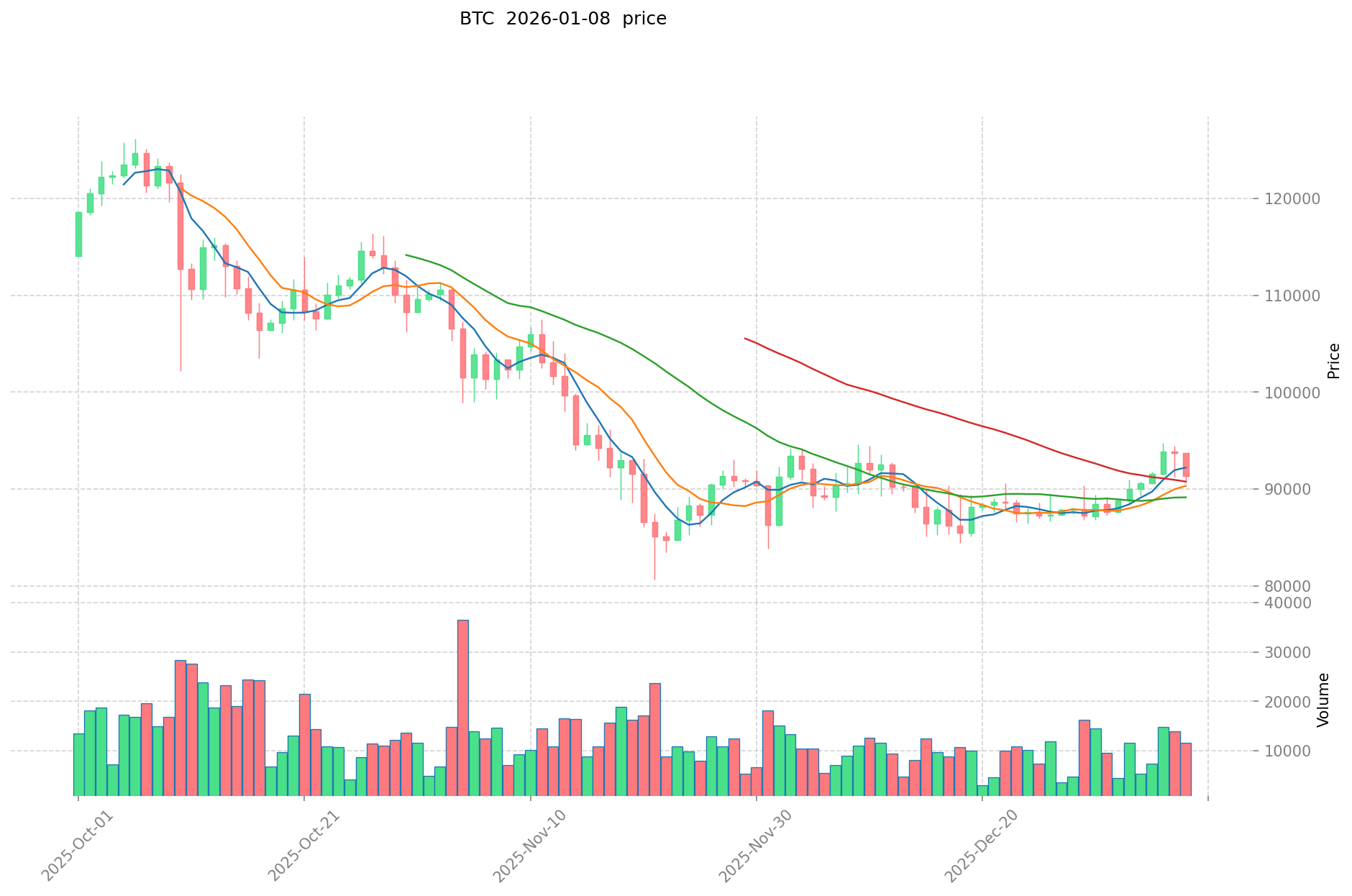 As reflexões de Szabo foram fundamentais para a consolidação dos princípios técnicos e ideológicos do Bitcoin e das restantes moedas digitais.
O Bit Gold, idealizado por Szabo, agregava vários elementos que mais tarde emergiriam no Bitcoin, como os mecanismos de proof-of-work e verificação descentralizada. A defesa de um sistema sem confiança, onde nenhuma autoridade central pode manipular o fornecimento da moeda, influenciou diretamente o design nuclear do Bitcoin. Adicionalmente, a aposta de Szabo na descentralização tem moldado o desenvolvimento de soluções blockchain destinadas a descentralizar múltiplos aspetos de interações digitais e físicas. De sistemas de gestão logística que acompanham produtos desde a origem até à entrega, a plataformas eleitorais que garantem integridade dos votos, os princípios popularizados por Szabo demonstram o potencial transformador da tecnologia blockchain em diversos setores.
Impacto de Mercado e Panorama de Investimento
O trabalho de Szabo teve um impacto profundo nos mercados de investimento, sobretudo com o crescimento das Initial Coin Offerings (ICOs) e da tokenização de ativos. A utilização de Smart Contracts permite às empresas automatizar áreas como governação corporativa, angariação de fundos e gestão de acionistas. Esta automação reduz encargos e aumenta a transparência, facilitando o acesso ao investimento para startups e permitindo aos investidores maior controlo sobre os seus ativos.
Por exemplo, valores mobiliários tokenizados podem distribuir dividendos de forma automática aos titulares, segundo a lógica dos Smart Contracts, eliminando intermediários e reduzindo custos administrativos. Recentemente, a tokenização de ativos como imóveis, obras de arte e matérias-primas tem vindo a acelerar, promovendo propriedade fracionada e mais liquidez em mercados tradicionalmente pouco líquidos. O legado de Szabo estende-se à gestão de ativos digitais e ao sector emergente das Finanças Descentralizadas (DeFi). Plataformas que recorrem a Smart Contracts para empréstimos, seguros e negociação de derivados estão a transformar a interação com os mercados financeiros, proporcionando alternativas mais inclusivas e eficientes aos sistemas tradicionais. Protocolos DeFi permitem empréstimos diretos entre pares sem bancos, market makers automatizados que geram liquidez sem intermediários, e ativos sintéticos que acompanham preços reais sem necessidade de posse física dos ativos.
Tendências e Perspetivas Futuras
Os princípios definidos por Nick Szabo deverão continuar a influenciar a inovação tecnológica e as tendências de mercado. O avanço dos Smart Contracts baseados em inteligência artificial e a integração da Internet das Coisas (IoT) com blockchain anunciam um futuro onde as ideias de Szabo são amplamente concretizadas. Estes progressos poderão potenciar uma automação ainda mais abrangente, com Smart Contracts a gerir casas inteligentes, veículos autónomos e cadeias logísticas otimizadas por IA.
Recentemente, têm surgido redes de oráculos que conectam Smart Contracts blockchain a dados do mundo real, permitindo a execução automática de contratos perante eventos externos. Por exemplo, contratos inteligentes de seguros agrícolas podem acionar pagamentos com base em dados meteorológicos de sensores IoT, dispensando processos de sinistro demorados. A convergência da inteligência artificial com Smart Contracts promete contratos adaptativos capazes de otimizar operações consoante o contexto e padrões aprendidos. Nas plataformas de negociação convencionais, os conceitos de Szabo mantêm relevância: as principais exchanges de criptomoedas recorrem à tecnologia blockchain para garantir ambientes de negociação seguros e eficientes. O recurso a Smart Contracts nestas plataformas reforça a transparência e equidade, reduz o risco de fraude e consolida a confiança dos utilizadores com registos de transação verificáveis e imutáveis.
Conclusão
As contribuições de Nick Szabo à moeda digital e à tecnologia blockchain, sobretudo através do seu trabalho pioneiro sobre Smart Contracts, marcaram indelevelmente os setores tecnológico e financeiro. Ao longo da última década, múltiplas indústrias têm aprofundado o potencial das aplicações blockchain, com várias plataformas a adotar estas tecnologias para otimizar serviços. O trabalho de Szabo permanece um ponto de referência para profissionais, investigadores e empreendedores do ecossistema blockchain.
As suas ideias revolucionaram os acordos contratuais e continuam a influenciar o desenvolvimento de sistemas digitais descentralizados. Desde transações financeiras sem necessidade de confiança até cadeias logísticas transparentes e automação de processos empresariais complexos, os princípios de Szabo são essenciais à transformação digital em curso em múltiplos setores. À medida que a tecnologia blockchain evolui e encontra novas aplicações em domínios como identidade digital, gestão clínica e propriedade intelectual, a visão de Szabo de um futuro descentralizado e automatizado torna-se cada vez mais concreta. O seu legado intelectual inspira e fundamenta a próxima geração de inovação em tecnologias descentralizadas e gestão de ativos digitais.
FAQ
Quem é Nick Szabo e quais foram os seus contributos para a criptografia e para a blockchain?
Nick Szabo é um criptógrafo e informático norte-americano que liderou a inovação na tecnologia blockchain desde os anos 1990. Criou os conceitos de bit gold e smart contracts, lançando as bases teóricas essenciais para a criptomoeda moderna e sistemas descentralizados.
O que é um smart contract? Como definiu e propôs Nick Szabo este conceito?
Nick Szabo apresentou o conceito de smart contracts nos anos 1990, caracterizando-os como ferramentas que integram protocolos e interfaces de utilizador para regular e proteger redes informáticas. Os smart contracts automatizam a execução de acordos por via de código.
O que é o Bit gold? Qual foi o impacto da teoria do Bit gold de Nick Szabo no Bitcoin?
Bit gold é o conceito de moeda digital criado por Nick Szabo, que utiliza proof-of-work para garantir escassez. Inspirou diretamente o mecanismo de proof-of-work e a arquitetura descentralizada do Bitcoin, sendo um precursor fundamental da criptomoeda contemporânea.
Nick Szabo关于货币历史和经济学有哪些重要观点?
Nick Szabo强调货币起源于解决物物交换的双重偶合问题。他认为货币演化源于人类对稀缺、可分割、易携带资产的自然选择。他深入研究了贵金属货币的经济学基础,主张货币应具备内在价值,反对法定货币体系。
Qual é a relação entre Nick Szabo e Satoshi Nakamoto? É Szabo o criador do Bitcoin?
Nick Szabo e Satoshi Nakamoto não têm qualquer relação direta. Satoshi Nakamoto é o criador do Bitcoin. Embora o trabalho de Szabo sobre bit gold tenha influenciado o design do Bitcoin, não foi ele quem fundou o Bitcoin.
O que significam os conceitos de 'execução sem confiança' e 'rastreabilidade' de Nick Szabo?
'Execução sem confiança', segundo Nick Szabo, refere-se a smart contracts que operam autonomamente sem intermediários. 'Rastreabilidade' implica que todos os estados de transação e operações contratuais são registados e verificáveis na blockchain, permitindo auditoria total em sistemas descentralizados.
Como vê Nick Szabo o futuro da tecnologia blockchain e descentralizada?
Nick Szabo considera que a blockchain vai transformar os sistemas económicos, viabilizando transações peer-to-peer sem intermediários. Prevê um futuro altamente promissor e transformador para as tecnologias descentralizadas na área financeira global.

Guia para Maximizar Retornos com as Melhores Estratégias de Yield Farming em DeFi

Compreender as Soluções Cross-Chain: Guia para a Interoperabilidade Blockchain

Guia Definitivo dos Principais Agregadores de Exchange de Criptomoedas para Negociação Eficiente

Compreender DAO no contexto das criptomoedas

Guia Abrangente para Compreender os Utility Tokens no Ecossistema Web3

O que é AVAX Market Overview: Price, Market Cap, Trading Volume & Liquidity?

O que representa a moeda BULLA: análise da lógica do whitepaper, casos de uso e fundamentos da equipa em 2026

De que forma opera o modelo deflacionário de tokenomics do token MYX, assente num mecanismo de queima total (100%) e com 61,57% da alocação destinada à comunidade?

Quais são os sinais do mercado de derivados e como o open interest em futuros, as taxas de financiamento e os dados de liquidação afetam a negociação de criptomoedas em 2026?

De que forma os dados de open interest de futuros, as taxas de funding e as liquidações permitem antecipar sinais do mercado de derivados de cripto em 2026?

O que é um modelo de tokenomics e de que forma a GALA aplica mecanismos de inflação e de queima
