LCP_hide_placeholder
fomox
Search Token/Wallet
/

Maintenance Margin Requirement

2026-01-02 02:29
Crypto Insights
Crypto Trading
Futures Trading
文章评价 : 3.5
half-star
74 个评价
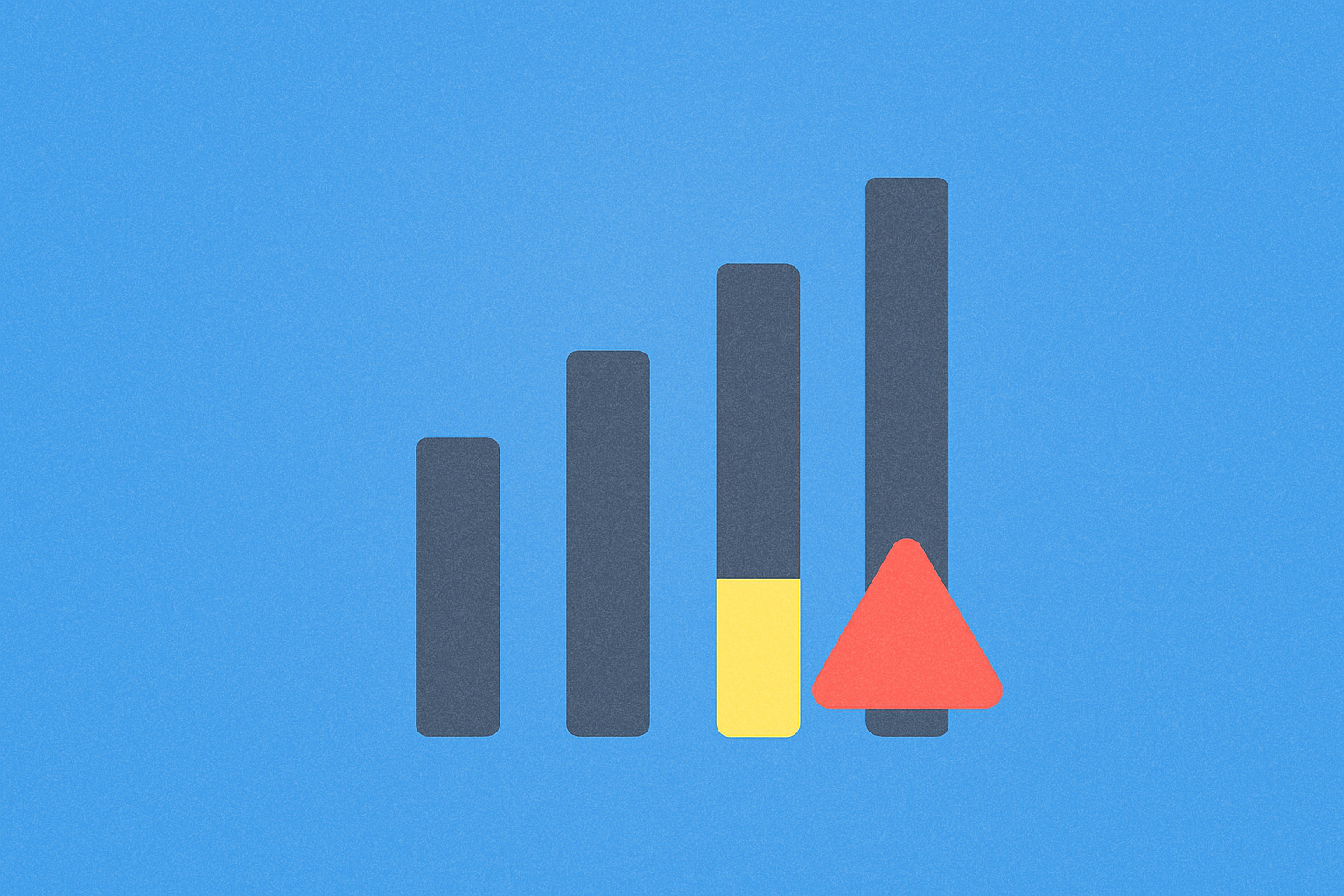
# Understanding Maintenance Margin Requirements in Crypto Trading Maintenance margin requirement is the minimum equity level you must maintain in your margin account to prevent forced liquidation. This guide explains how margin requirements work across crypto, futures, and traditional markets, covering the distinction between initial and maintenance margins, margin call triggers, and liquidation mechanisms. Whether trading on Gate or other platforms, understanding these critical risk management tools helps investors protect their capital and avoid automatic position closure. Learn how to calculate requirements by position size, monitor account health in real-time, and implement strategies to maintain adequate margin buffers. Essential reading for anyone leveraging positions in crypto trading and seeking sustainable risk management practices.
Maintenance Margin Requirement

Understanding Maintenance Margin Requirement

The "Maintenance Margin Requirement" refers to the minimum amount of equity an investor must maintain in their margin account after a purchase has been made. This requirement is set by brokerage firms to ensure that the account holder has sufficient collateral to cover potential losses, and it is typically expressed as a percentage of the current market value of the securities purchased on margin.

Maintenance margin requirement is a critical component of margin trading, where investors borrow money from their brokers to buy more shares than they could with their available funds. The initial margin sets the amount needed to open a position, while the maintenance margin is the level that must be maintained to keep the position open. For example, if a brokerage sets a maintenance margin requirement at 25%, and an investor's portfolio falls in value to where their equity is less than 25% of the total market value of the securities held, the investor will receive a margin call. They must then deposit more funds or sell some of their holdings to meet the requirement.

Maintenance margin requirements can vary significantly between different brokerage firms and depending on the type of securities traded. For instance, more volatile stocks may have higher margin requirements due to their increased risk. In practice, if an investor buys $10,000 worth of stock on margin, with a 50% initial margin requirement, they would need $5,000 of their own money. If the maintenance margin is 30%, the investor must maintain at least $3,000 of personal equity in the account. If the stock value drops and their equity decreases below this threshold, they'll need to address the shortfall promptly.

Significance in the Market

The maintenance margin requirement is vital for maintaining market stability. It helps manage the risk that both investors and brokers face in leveraged transactions. By ensuring that investors keep a minimum amount of equity, it reduces the likelihood of losses that could exceed an investor's capacity to pay, potentially leading to defaults that could impact the broader financial system. For brokers, it provides a buffer against the credit risk posed by lending funds to investors for trading on margin.

Implications for Technology and Investors

For investors, understanding and managing the maintenance margin requirement is crucial for effective risk management in portfolio strategy, especially in volatile markets. Technological advancements have made it easier for investors to monitor their accounts and receive alerts if their margin cushion is close to being breached. This real-time data helps investors make quick decisions to either top up their accounts or rebalance their portfolios to avoid margin calls.

Application in Practice

Maintenance margin requirements are most commonly associated with stock trading on margin, but they are also relevant in futures trading, forex, and other forms of derivative trading. Certain cryptocurrency trading platforms also implement similar concepts to manage leverage offered in digital asset trading. Understanding these requirements is essential for anyone participating in these markets, as they influence trading strategies and risk exposure.

Conclusion

In summary, the maintenance margin requirement is a fundamental risk management tool in the trading world. It ensures that investors maintain a minimum level of equity in their trading accounts, safeguarding both the investor and the brokerage from excessive losses due to leveraged positions. Whether trading stocks, futures, or cryptocurrencies, a clear understanding of margin requirements is essential for sustainable trading practices and financial stability.

FAQ

What is Maintenance Margin Requirement?

Maintenance Margin Requirement is the minimum equity amount you must maintain in your margin account after opening a position to prevent liquidation. Set by brokers, it ensures sufficient collateral to cover potential losses and protects against excessive risk exposure.

What is the difference between Maintenance Margin Requirement and Initial Margin Requirement?

Initial margin is a one-time requirement to open a position, while maintenance margin is the ongoing minimum equity level required to keep the position open. If account equity falls below maintenance margin, liquidation may occur.

If the margin in the account falls below the maintenance margin requirement, what will happen?

If your account margin falls below the maintenance margin requirement, liquidation will be triggered automatically. The system will close positions to restore your account to the maintenance margin level. If liquidation cannot restore the account, it will be closed.

How is the Maintenance Margin Requirement calculated?

Maintenance Margin Requirement is calculated as a percentage of your position value. For example, if your position value is between 1,000,000-2,000,000 USDT, the required maintenance margin rate is 0.5% of the position value. The percentage may vary based on position size tiers.

What are the differences in maintenance margin requirements across different trading products (stocks, futures, forex)?

Maintenance margin requirements vary by product: futures typically require higher margins due to leverage and volatility, forex requires lower margins, while stocks fall in between. Exact rates depend on market conditions and asset volatility.

What is a Margin Call and how does it relate to Maintenance Margin Requirement?

A Margin Call is a warning issued when your account equity falls below the Maintenance Margin Requirement. It demands you deposit additional funds or risk forced liquidation of your positions to maintain adequate collateral.

How to avoid forced liquidation due to insufficient maintenance margin?

Monitor your account balance regularly and maintain adequate margin levels. Add more margin promptly when required to prevent automatic position closure. Keep sufficient buffer above minimum requirements to avoid liquidation risks.

* 本文章不作为 Gate 提供的投资理财建议或其他任何类型的建议。 投资有风险,入市须谨慎。

分享

目录

Understanding Maintenance Margin Requirement

Significance in the Market

Implications for Technology and Investors

Application in Practice

Conclusion

FAQ

相关文章
Top Decentralized Exchange Aggregators for Optimal Trading

Top Decentralized Exchange Aggregators for Optimal Trading

Exploring top DEX aggregators in 2025, this article highlights their role in enhancing crypto trading efficiency. It addresses challenges faced by traders, such as finding optimal prices and reducing slippage, while ensuring security and ease of use. A practical overview of 11 leading platforms is provided, with guidance on selecting the right aggregator based on trading needs and security features. Designed for crypto traders seeking efficient and secure trading solutions, the article emphasizes the evolving benefits of using DEX aggregators in the DeFi landscape.
2025-12-24
Understanding FOMO in Crypto and Transforming It into Weekly Opportunities

Understanding FOMO in Crypto and Transforming It into Weekly Opportunities

The article explores the psychological impact of FOMO (Fear of Missing Out) in the crypto market, emphasizing its influence on investor behavior and decision-making. It highlights how FOMO can lead to impulsive trading decisions but also suggests that, when approached wisely, it can be transformed into opportunities like FOMO Thursdays – a reward-based engagement strategy. The piece addresses issues like emotional trading traps and distinguishes between FOMO and DYOR (Do Your Own Research), promoting informed investment practices. With a focus on Web3 innovations, the article targets crypto investors aiming to mitigate risks while maximizing engagement and rewards.
2025-12-19
Mastering Stop Limit Order Strategy in Cryptocurrency Trading

Mastering Stop Limit Order Strategy in Cryptocurrency Trading

This article is an essential guide for mastering stop limit order strategies in cryptocurrency trading on platforms like Gate. It explores the mechanics and applications of sell stop market orders, limit orders, market orders, and trailing stops, emphasizing their roles in risk management and trading strategy. Traders will learn how to automate exit strategies, handle execution uncertainty, and make informed decisions based on market conditions. Key highlights include the advantages of different order types at specified price levels and practical insights for disciplined risk management in crypto trading.
2025-12-19
Understanding Crypto Slippage: A Clear Explanation

Understanding Crypto Slippage: A Clear Explanation

The article provides a comprehensive understanding of crypto slippage, crucial for traders navigating the volatile cryptocurrency market. It explains slippage, its causes, and techniques to manage it effectively, ensuring optimized trading experiences. Readers will gain insights into controlling slippage through strategies like setting slippage tolerance, using limit orders, and focusing on liquid assets, particularly on platforms like Gate. Ideal for traders seeking to minimize losses and enhance decision-making, the article's structure allows easy comprehension and practical application, enhancing crypto trading efficiency. Keywords: crypto slippage, slippage tolerance, limit orders, Gate, volatility, liquidity.
2025-12-20
Top Crypto Trading Simulation Tools for Beginners

Top Crypto Trading Simulation Tools for Beginners

This article explores top crypto trading simulators designed to enhance traders' skills without financial risk. Perfect for beginners and experienced traders alike, these platforms mimic real crypto market conditions using virtual funds. Key topics include understanding the mechanics of trading simulators, their educational benefits, and detailed reviews of leading tools like Roostoo and Gainium tailored to various trading needs. The article guides you in selecting the right simulator based on ease of use, available features, and realistic market data, aiming to foster knowledge, experience, and disciplined trading approaches.
2025-12-02
Understanding FUD in the Crypto World

Understanding FUD in the Crypto World

The article "Understanding FUD in the Crypto World" thoroughly explores the significance of FUD—fear, uncertainty, and doubt—within cryptocurrency trading. It sheds light on how FUD impacts market sentiment and trading decisions by spreading doubt through various channels, including social media and news outlets. The article describes when FUD occurs, highlights historical FUD events such as policy changes by influential figures, and examines how traders respond to these situations. It contrasts FUD with FOMO (fear of missing out) to provide insights into market psychology. Readers learn strategies to monitor and navigate FUD in their trading practices, making it essential for crypto investors seeking to understand market dynamics better.
2025-12-20
猜你喜欢
What is BULLA coin: analyzing whitepaper logic, use cases, and team fundamentals in 2026

What is BULLA coin: analyzing whitepaper logic, use cases, and team fundamentals in 2026

BULLA coin introduces decentralized accounting and on-chain data management innovation built on BNB Smart Chain, eliminating intermediaries while ensuring real-time transaction verification. The platform addresses critical gaps in cryptocurrency infrastructure by embedding accounting logic directly into smart contracts, enabling transparent audit trails and regulatory compliance. Real-world applications include seamless transaction imports across multiple exchanges, comprehensive crypto portfolio tracking, and secure record-keeping for investors. Trade import tools enhance user experience by automating data categorization and consolidation. Founded in 2021 by blockchain architect Benjamin with support from experienced fintech designers and engineers, BULLA Networks demonstrates active development momentum with continuous smart contract iterations through early 2026. The 2026-2027 strategic roadmap prioritizes network infrastructure expansion and enhanced security protocols, positioning BULLA as a robust decen
2026-02-08
How does MYX token's deflationary tokenomics model work with 100% burn mechanism and 61.57% community allocation?

How does MYX token's deflationary tokenomics model work with 100% burn mechanism and 61.57% community allocation?

This article examines MYX token's innovative deflationary tokenomics, featuring a distinctive 61.57% community allocation and 100% burn mechanism. The community-focused distribution empowers token holders through MYX DAO governance while ensuring value flows back to ecosystem participants. The 100% burn mechanism systematically removes node-generated revenue from circulation, reducing the total supply from one billion tokens and creating genuine scarcity. This supply-driven deflation counters inflation pressures and strengthens long-term holder value without requiring external demand. The combination of broad community distribution and aggressive token elimination creates sustainable deflationary economics. Ideal for investors seeking to understand how MYX Finance aligns community interests with protocol success through structural value preservation and decentralized governance mechanisms on Gate exchange.
2026-02-08
What Are Derivatives Market Signals and How Do Futures Open Interest, Funding Rates, and Liquidation Data Impact Crypto Trading in 2026?

What Are Derivatives Market Signals and How Do Futures Open Interest, Funding Rates, and Liquidation Data Impact Crypto Trading in 2026?

This comprehensive guide decodes cryptocurrency derivatives market signals essential for 2026 trading success. Learn how futures open interest, funding rates, and liquidation data—such as ENA's $17 billion contract volume and $94 million daily position closures—reveal market sentiment and institutional positioning. The article explains how long-short ratios and liquidation heatmaps identify reversal opportunities, while options imbalance signals indicate smart money accumulation strategies. Discover why exchange outflows and funding rate extremes precede major price movements. From analyzing $46.45M ENA outflows to understanding leverage risks, this resource equips traders with actionable intelligence for predicting market turning points. Perfect for beginners and experienced traders leveraging Gate's analytics tools to navigate increasingly complex derivatives markets with informed entry and exit strategies.
2026-02-08
How do futures open interest, funding rates, and liquidation data predict crypto derivatives market signals in 2026?

How do futures open interest, funding rates, and liquidation data predict crypto derivatives market signals in 2026?

This article explores how three critical derivatives metrics—open interest exceeding $20 billion, funding rates shifting positive, and liquidation volume declining 30%—predict crypto derivatives market signals in 2026. The guide reveals institutional participation driving market maturation while positive funding rates signal strengthened bullish momentum. Long-short ratio stabilization at 1.2 with put-call ratio below 0.8 demonstrates sophisticated hedging strategies on Gate and other platforms. Reduced liquidation volumes indicate improved risk management and market resilience. By analyzing how these indicators combine—measuring position sizing, sentiment extremes, and forced selling pressure—traders gain precise tools for identifying trend reversals, leverage exhaustion, and market turning points with 55-65% AI-driven accuracy for 2026.
2026-02-08
What is a token economics model and how does GALA use inflation mechanics and burn mechanisms

What is a token economics model and how does GALA use inflation mechanics and burn mechanisms

This article explores GALA's innovative token economics model, examining how inflation mechanics and burn mechanisms create sustainable ecosystem growth. The guide covers GALA token distribution through 50,000 Founder's Nodes requiring 1 million GALA for 100% daily rewards, establishing long-term community participation. A dual-mechanism approach pairs controlled inflation with strategic annual supply reduction to establish deflationary pressure. The burn mechanism, powered by 100% transaction fee burning on GalaChain combined with NFT royalty enforcement averaging 6.1%, creates continuous supply reduction while incentivizing creator participation. Governance utility empowers node holders to vote on game launches through consensus mechanisms, transforming GALA holders into active stakeholders. Perfect for investors and ecosystem participants seeking to understand how GALA balances token scarcity with ecosystem vitality through integrated economic incentives and community governance on Gate.
2026-02-08
What is on-chain data analysis and how does it reveal whale movements and active addresses in crypto?

What is on-chain data analysis and how does it reveal whale movements and active addresses in crypto?

On-chain data analysis reveals cryptocurrency market dynamics by examining active addresses and transaction metrics that expose whale movements and investor behavior. This comprehensive guide explores how blockchain data serves as a critical market indicator, demonstrating the correlation between large holder activities and price movements—such as FLOKI's 950% surge in whale transactions. The article covers whale movement tracking, holder distribution patterns showing 73.47% concentration among major stakeholders, and on-chain fee trends as cycle indicators. Essential metrics include active addresses reflecting genuine network participation, transaction volumes revealing strategic positioning, and network congestion patterns during market cycles. By tracking these interconnected indicators through platforms like Glassnode and Gate, investors and traders can identify market sentiment shifts, anticipate price movements, and distinguish institutional activity from retail participation, making on-chain analysis i
2026-02-08