
LCP_hide_placeholder
fomox
MarketsPerpsSpotSwapMemeReferral
More
New User Exclusive $690+
Search Token/Wallet
/

Interacting with Blockchain Smart Contracts: A Step-by-Step Guide

2025-12-25 06:10
Blockchain
Crypto Tutorial
DeFi
NFTs
Web 3.0
Article Rating : 4.5
half-star
34 ratings
This article serves as a comprehensive guide for interacting with blockchain smart contracts, focusing on the Ethereum network. It demystifies the process of reading and writing to smart contracts, offering valuable insights into how to leverage blockchain explorers like Etherscan for efficient data retrieval and state transitions. The guide is designed for both developers and end-users who wish to deepen their understanding of smart contracts and independently verify their legitimacy. Step-by-step instructions cater to users at varying skill levels, enhancing their ability to engage with Web3 ecosystems effectively. Key topics include understanding smart contract functionality, executing safe transactions, and utilizing wallet applications for blockchain operations.
Interacting with Blockchain Smart Contracts: A Step-by-Step Guide

How to Interact with Smart Contracts

What is a Smart Contract?

A smart contract is a self-executing program that runs on the Ethereum blockchain. Unlike traditional business contracts, smart contracts are autonomous programs consisting of code (functions) and data (state) stored at a specific address on the blockchain. These contracts form the foundation of the Web3 ecosystem, powering every token and digital asset. For example, the Boring Ape Yacht Club (BAYC) NFT collection is built upon an ERC721-standard smart contract deployed on the Ethereum blockchain.

To interact with and analyze smart contracts through smart contract call functionality, developers and users rely on blockchain explorers like Etherscan. Etherscan is a comprehensive blockchain explorer for Ethereum that displays detailed contract data, transaction history, and source code for verified contracts. Within this context, "reading" a contract refers to extracting and querying data without modifying the contract's state, while "writing" to a contract means executing functions that change the internal data stored on the blockchain.

Reading General Information from Smart Contracts

Blockchain explorers provide accessible ways to view high-level information about smart contracts and their associated tokens through smart contract call interfaces. For NFT collections, token tracker pages automatically parse smart contract data and present it in user-friendly formats.

On the BAYC token page in Etherscan, for instance, you can quickly identify key metrics such as Total Supply (10,000 BAYC), number of unique Holders (6,095), and total Transfers (54,828). The holder tab reveals the distribution of tokens, displaying top token holders and their share of ownership through visualizations like pie charts. Additionally, when searching by a specific address, you can view the complete inventory of tokens held by that address. For example, the address dingaling.eth holds 105 BAYC NFTs, which can be viewed and filtered directly through Etherscan's interface.

Understanding Transaction Details

Every interaction with a smart contract generates a transaction recorded on the blockchain. Whether transferring a token between addresses or minting a new NFT, these actions create permanent, traceable records on the ledger.

On token tracker pages, transaction tables display comprehensive information including the transaction hash (Txn Hash), the contract method called, timestamp, sender address, recipient address, and associated token IDs. By examining transaction details, we can construct a complete picture of on-chain activity. For example, a transaction might show that BAYC #7990 was transferred from one address to another through a marketplace smart contract by calling its respective transaction function, enabling the buyer to pay ETH while the seller instantly received the NFT. Such transactions demonstrate how smart contract call mechanisms facilitate peer-to-peer exchanges on the blockchain.

Querying Data from a Contract

Reading data from a contract involves calling view functions that retrieve on-chain information without modifying any blockchain state. Since no changes occur, wallet connections are not required, making this data accessible to anyone. Smart contract call functionality enables users to execute these read-only queries efficiently.

To query contract data, navigate to the contract tab in Etherscan and click "Read Contract." This displays all available callable functions within the smart contract. For standardized contracts like ERC-721, you'll see functions following the standard specification, along with custom functions added by the project for unique features.

Some parameters return stable values that do not change. For the BAYC contract, these include MAX_APES (10,000), REVEAL_TIMESTAMP (1619820000), baseURI pointing to IPFS metadata, the collection name (BoredApeYachtClub), symbol (BAYC), and totalSupply (10,000).

Parameterized queries allow dynamic data retrieval through smart contract call mechanisms. For instance, calling balanceOf() with a specific address returns the number of tokens held, indicating NFT ownership. The ownerOf() function returns the owner's address for a specific token ID. The tokenOfOwnerByIndex() function returns specific token IDs held by an address—for a given address, this function reveals particular NFTs in their collection by index.

Writing to a Contract: Calling State-Transition Functions

Writing to a contract means executing functions that modify the contract's state and affect the blockchain. These state-transition functions are called from a connected wallet and require gas fees.

To write to a contract via Etherscan, first establish a wallet connection by clicking "Connect to Web3" and selecting your preferred wallet (MetaMask, WalletConnect with mobile wallets like imToken, Rainbow, or Trust Wallet). Once connected, you can call state-changing functions within the smart contract.

Common write operations include minting new tokens. While most NFT projects provide web interfaces for minting, direct smart contract call interaction via Etherscan offers an alternative pathway. Some projects deliberately lack a web interface and require users to interact directly through Etherscan's smart contract call feature. Other projects can still be accessed by calling specific functions directly on-chain. For users holding NFTs, Etherscan's write contract feature enables additional interactions beyond standard minting, such as transfers, approvals, or custom contract functions.

Conclusion

Interacting with smart contracts is a fundamental skill in the Web3 ecosystem. By mastering both reading and writing operations through smart contract call functionality, you gain the ability to query contract data, track transactions, and directly execute contract functions without relying on intermediary applications. Understanding how to navigate blockchain explorers like Etherscan empowers you to verify project legitimacy, analyze token distribution, and interact with smart contracts independently. This foundational knowledge enables you to participate more effectively and securely in the decentralized web.

FAQ

What is a smart contract call?

A smart contract call is an interaction to execute functions within a smart contract on the blockchain. It retrieves indexed parameters like token transfers, triggers contract logic, and returns data based on the function's execution.

What is a contract call in a crypto wallet?

A contract call executes a function within a smart contract on the blockchain. It triggers predefined actions programmed in the contract, enabling transactions and blockchain operations through your wallet.

How does a smart contract work?

A smart contract is self-executing code deployed on blockchain that automatically executes predefined conditions without intermediaries. When conditions are met, it triggers transactions transparently and immutably, ensuring trust and eliminating manual processes.

How to tell if a smart contract is legit?

Verify the contract code for vulnerabilities, check its transaction history using Etherscan, and confirm it has been audited by reputable firms. Review developer background and community feedback for additional reassurance.
* The information is not intended to be and does not constitute financial advice or any other recommendation of any sort offered or endorsed by Gate.

Share

Content

What is a Smart Contract?

Reading General Information from Smart Contracts

Understanding Transaction Details

Querying Data from a Contract

Writing to a Contract: Calling State-Transition Functions

Conclusion

FAQ

Related Articles
Top Decentralized Exchange Aggregators for Optimal Trading

Top Decentralized Exchange Aggregators for Optimal Trading

Exploring top DEX aggregators in 2025, this article highlights their role in enhancing crypto trading efficiency. It addresses challenges faced by traders, such as finding optimal prices and reducing slippage, while ensuring security and ease of use. A practical overview of 11 leading platforms is provided, with guidance on selecting the right aggregator based on trading needs and security features. Designed for crypto traders seeking efficient and secure trading solutions, the article emphasizes the evolving benefits of using DEX aggregators in the DeFi landscape.
2025-12-24
Understanding FOMO in Crypto and Transforming It into Weekly Opportunities
Understanding FOMO in Crypto and Transforming It into Weekly Opportunities

The article explores the psychological impact of FOMO (Fear of Missing Out) in the crypto market, emphasizing its influence on investor behavior and decision-making. It highlights how FOMO can lead to impulsive trading decisions but also suggests that, when approached wisely, it can be transformed into opportunities like FOMO Thursdays – a reward-based engagement strategy. The piece addresses issues like emotional trading traps and distinguishes between FOMO and DYOR (Do Your Own Research), promoting informed investment practices. With a focus on Web3 innovations, the article targets crypto investors aiming to mitigate risks while maximizing engagement and rewards.
2025-12-19
Understanding Web3 Wallets: A Comprehensive Guide
Understanding Web3 Wallets: A Comprehensive Guide

This article provides a comprehensive guide to understanding Web3 wallets, highlighting their significance in securely managing and trading digital assets. It delves into the infrastructure of these wallets, their compatibility with decentralized applications, and their empowerment of users through non-custodial control. Targeted at cryptocurrency traders and investors, the article addresses the need for secure storage solutions and explores the variety of Web3 wallets available, including hardware and software options. It also discusses Web3's advanced internet framework, security features, and benefits, making it essential reading for anyone navigating the decentralized digital economy.
2025-12-22
Understanding Governance Tokens: A Comprehensive Guide
Understanding Governance Tokens: A Comprehensive Guide

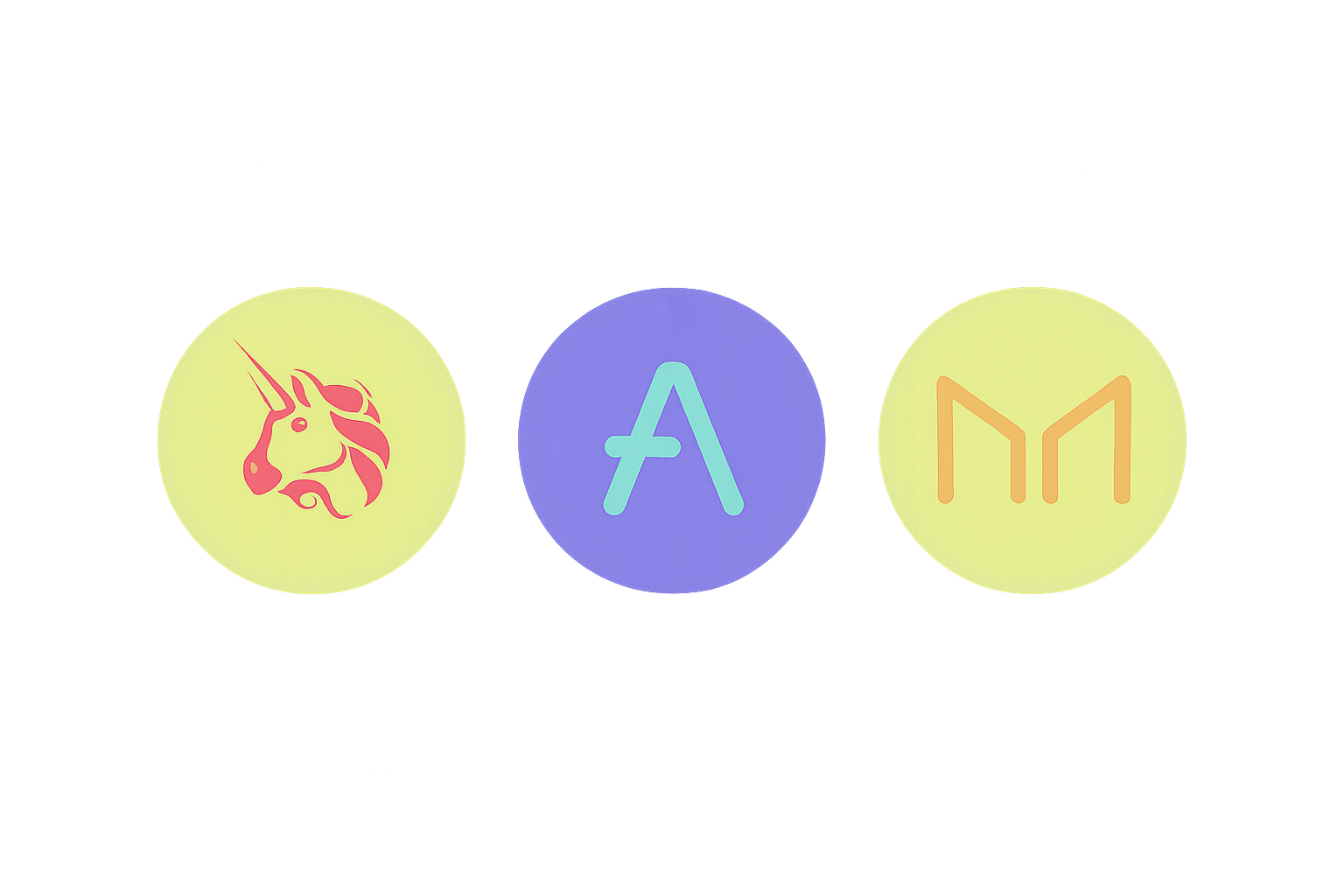
The article "Understanding Governance Tokens: A Comprehensive Guide" explores the significance of governance tokens in decentralized decision-making within the cryptocurrency ecosystem. It explains how these tokens empower users with voting rights, facilitating democratic participation and equitable governance in blockchain projects. The guide distinguishes between governance tokens and utility tokens, providing insights into their unique roles and functions. Readers learn about the operational mechanics, pros and cons, and trading platforms like Gate for acquiring governance tokens. Additionally, the article provides real-world examples such as Uniswap, Aave, and MakerDAO to illustrate governance tokens in action.
2025-12-19
Complete Guide to Blockchain Gas Fees in Web3
Complete Guide to Blockchain Gas Fees in Web3

This article provides a comprehensive guide to blockchain gas fees, a crucial aspect of Web3 transactions affecting costs, processing times, and user experiences. It details what gas fees are, their calculations, and the role of different tokens, helping users navigate transaction challenges like failures due to insufficient funds or network congestion. The piece also explores innovative solutions like Instant Gas and token-based reward systems, ensuring seamless interaction on major blockchain networks. Ideal for blockchain users seeking to optimize transaction success rates, the guide underscores the importance of understanding gas fees in ensuring efficient Web3 participation.
2025-12-19
Blockchain-Powered Music Royalty Distribution: Avalanche Drives the Digital Transformation
Blockchain-Powered Music Royalty Distribution: Avalanche Drives the Digital Transformation

See how Avalanche is transforming music royalty payments with blockchain. Artists receive instant payouts, full transparency, and direct access without intermediaries. Record Finance and Avalanche are reshaping the music industry through innovative Web3 solutions and USDC stablecoins. The future of creative finance begins now.
2025-12-27
Recommended for You
What is BULLA coin: analyzing whitepaper logic, use cases, and team fundamentals in 2026
What is BULLA coin: analyzing whitepaper logic, use cases, and team fundamentals in 2026

BULLA coin introduces decentralized accounting and on-chain data management innovation built on BNB Smart Chain, eliminating intermediaries while ensuring real-time transaction verification. The platform addresses critical gaps in cryptocurrency infrastructure by embedding accounting logic directly into smart contracts, enabling transparent audit trails and regulatory compliance. Real-world applications include seamless transaction imports across multiple exchanges, comprehensive crypto portfolio tracking, and secure record-keeping for investors. Trade import tools enhance user experience by automating data categorization and consolidation. Founded in 2021 by blockchain architect Benjamin with support from experienced fintech designers and engineers, BULLA Networks demonstrates active development momentum with continuous smart contract iterations through early 2026. The 2026-2027 strategic roadmap prioritizes network infrastructure expansion and enhanced security protocols, positioning BULLA as a robust decen
2026-02-08
What is on-chain data analysis and how does it reveal whale movements and active addresses in crypto?

What is on-chain data analysis and how does it reveal whale movements and active addresses in crypto?

On-chain data analysis reveals cryptocurrency market dynamics by examining active addresses and transaction metrics that expose whale movements and investor behavior. This comprehensive guide explores how blockchain data serves as a critical market indicator, demonstrating the correlation between large holder activities and price movements—such as FLOKI's 950% surge in whale transactions. The article covers whale movement tracking, holder distribution patterns showing 73.47% concentration among major stakeholders, and on-chain fee trends as cycle indicators. Essential metrics include active addresses reflecting genuine network participation, transaction volumes revealing strategic positioning, and network congestion patterns during market cycles. By tracking these interconnected indicators through platforms like Glassnode and Gate, investors and traders can identify market sentiment shifts, anticipate price movements, and distinguish institutional activity from retail participation, making on-chain analysis i
2026-02-08
What is Vodra (VDR) crypto: whitepaper logic, use cases, and fundamentals analysis for 2026
What is Vodra (VDR) crypto: whitepaper logic, use cases, and fundamentals analysis for 2026

Vodra (VDR) is a decentralized blockchain platform revolutionizing creator economics through AI-powered infrastructure and transparent compensation systems. The project addresses the creator economy's core challenge—unfair intermediary-controlled monetization—by enabling direct audience-to-creator transactions without traditional gatekeepers. VDR's whitepaper establishes a dual-layer architecture combining artificial intelligence for content assistance with blockchain verification for security and transparency. The platform's real-world applications extend from content monetization to DeFi ecosystem integration, real-world asset tokenization, and AI-driven automation by 2026. Founded by former Google engineer Yu Hu with backing from prominent investors like Dragonfly and The Spartan Group, Vodra positions itself at the intersection of Web3 infrastructure and creator empowerment. Key acquisition channels include Gate and other decentralized exchanges, with development roadmaps targeting API standardization, en
2026-02-08
How do cryptocurrency competitors compare in market share, performance, and user adoption in 2026?

How do cryptocurrency competitors compare in market share, performance, and user adoption in 2026?

This comprehensive analysis examines how major cryptocurrency competitors diverge across market share, performance, and user adoption in 2026. Bitcoin maintains dominance above 60% while institutional investors adopt core-satellite portfolios allocating 60-80% to Bitcoin and 15-25% to Ethereum. Layer-2 solutions command a decisive 40% market share advantage over legacy networks, with Solana leading at 1,133 TPS and driving institutional TVL beyond $50 billion. Regional adoption varies dramatically: Asia-Pacific accelerates at 11.6% CAGR driven by digital transformation, while North America concentrates 75% institutional users. Trading activity concentrates on Gate and leading platforms, with top five cryptocurrencies maintaining 61% combined market share. Understanding these divergent trajectories is essential for investors navigating competitive positioning and institutional capital flows.
2026-02-08
What is on-chain data analysis and how does it predict crypto market trends
What is on-chain data analysis and how does it predict crypto market trends

This comprehensive guide explores on-chain data analysis as a foundational tool for predicting cryptocurrency market trends. The article examines how blockchain metrics—including active addresses, transaction volume, and network health—reveal genuine market sentiment beyond price action alone. Key sections analyze whale movements as reliable leading indicators of market direction, demonstrating how large holder distribution patterns expose institutional positioning before broader price shifts occur. The guide further demonstrates how gas fee trends and network congestion serve as real-time sentiment gauges across different blockchain architectures. By tracking these on-chain indicators on platforms like Gate, traders can identify market opportunities before mainstream recognition. The article emphasizes that while on-chain analysis provides measurable predictive value through transaction flow analysis and holder behavior patterns, it functions best as a complementary tool alongside other market analysis metho
2026-02-08
How Does VeChain (VET) Community and Ecosystem Activity Compare to Other Layer 1 Cryptocurrencies in 2026?

How Does VeChain (VET) Community and Ecosystem Activity Compare to Other Layer 1 Cryptocurrencies in 2026?

This comprehensive analysis examines VeChain's community and ecosystem activity relative to competing Layer 1 blockchains in 2026. The article evaluates VeChain's multimillion-follower social infrastructure across Discord and Telegram, extensive developer ecosystem featuring 5,000+ DApps, and robust on-chain metrics with 2.5 million daily active addresses. Key findings highlight VeChain's enterprise-grade differentiation through supply chain solutions, institutional partnerships with Fortune 500 organizations, and proven real-world applications. While VeChain demonstrates lower developer numbers than Ethereum and Solana, its focused positioning in enterprise adoption, regulatory compliance through MiCA alignment, and strategic partnerships with DNV and Boston Consulting Group establish competitive advantages in B2B blockchain adoption, positioning VET as a distinctive Layer 1 leader within enterprise-centric ecosystems.
2026-02-08
Interacting with Blockchain Smart Contracts: A Step-by-Step Guide | Gate Wiki