


Jeton ERC-20 : Guide complet

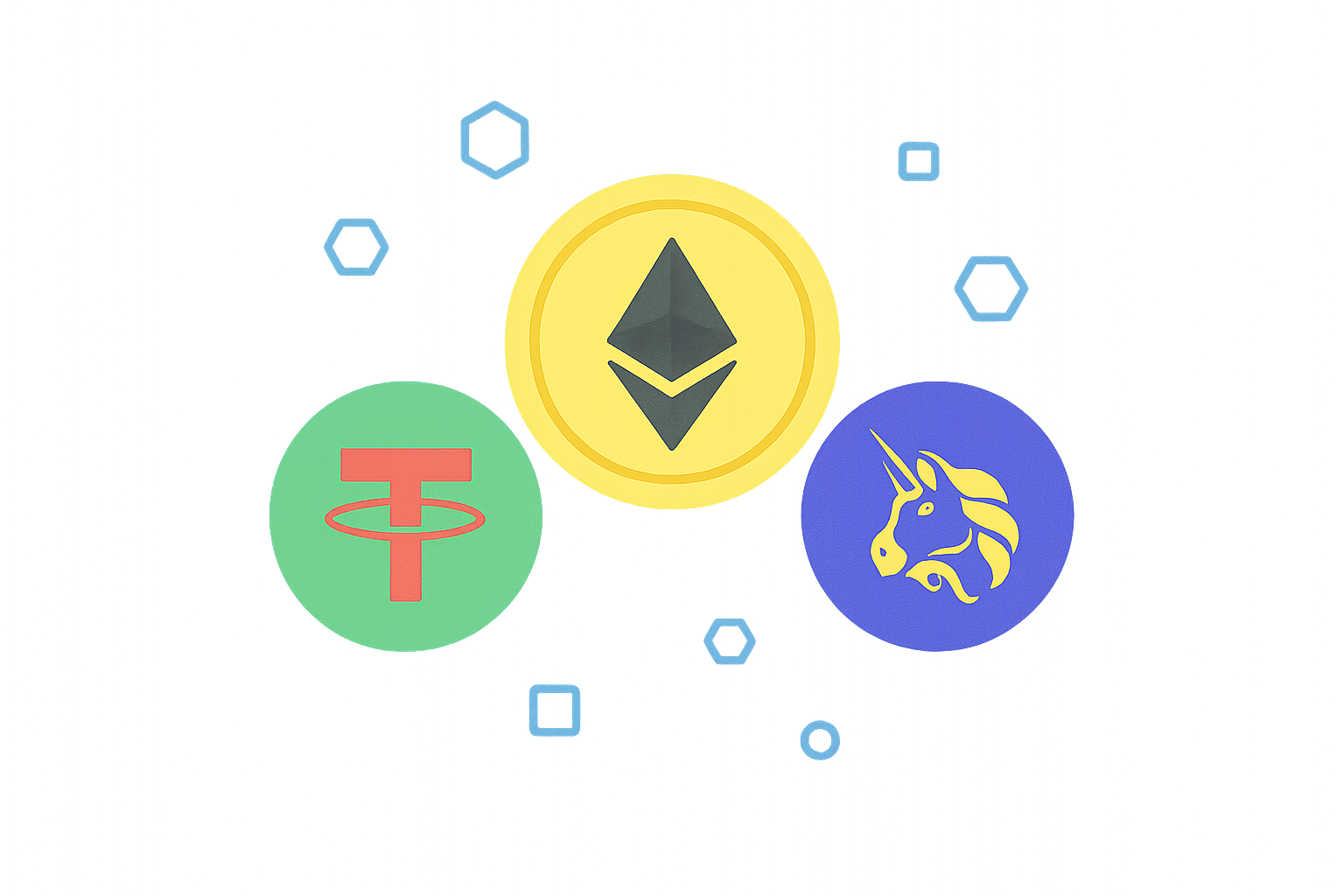
Présentation des tokens ERC-20
À la différence de Bitcoin, principalement utilisé comme une monnaie numérique simple, Ethereum représente un projet open source novateur permettant aux développeurs de créer et de déployer des applications décentralisées (DApps). Cette plateforme ouvre un vaste champ d’innovation blockchain. Malgré ses nombreux avantages, le réseau Ethereum rencontre des défis techniques : il est notamment sujet à la congestion lors de pics d’activité, en particulier lors du traitement d’un volume important de transactions simultanées. Cela peut entraîner une hausse des frais de transaction (frais de gas) et des délais de confirmation, affectant l’expérience utilisateur.
Pour améliorer l’efficacité de l’écosystème et résoudre ces problèmes, la communauté Ethereum a mis au point la norme token ERC-20 (Ethereum Request for Comment 20). Ce standard vise à renforcer l’efficacité opérationnelle et à rendre le développement sur la blockchain Ethereum plus simple, structuré et prévisible. Grâce à ERC-20, les développeurs peuvent concevoir des tokens compatibles et interopérables dans l’ensemble de l’écosystème Ethereum.
Qu’est-ce qu’un token ERC-20 ?
Les tokens ERC-20 sont des actifs numériques fongibles opérant sur la blockchain Ethereum. Cette norme technique fournit aux développeurs un cadre pour concevoir des smart contracts sur Ethereum, garantissant une création et une utilisation de tokens homogènes et standardisées.
La norme ERC-20 regroupe des règles et spécifications techniques strictes auxquelles les développeurs doivent se conformer, assurant la pleine compatibilité des tokens émis avec l’écosystème Ethereum. Ce respect est crucial, car il permet aux utilisateurs et aux développeurs d’interagir aisément avec les services, applications et protocoles Ethereum, sans problème d’interopérabilité.
Chaque token ERC-20 occupe une fonction spécifique dans l’écosystème et peut s’échanger librement sur le réseau Ethereum. L’apparition de la norme ERC-20 a grandement simplifié le développement, permettant aux créateurs de tokens d’interagir facilement entre différentes applications et tokens, et favorisant l’intégration et l’efficacité du développement d’applications blockchain.
Historique de la norme ERC-20
Fabian Vogelsteller, contributeur majeur de la communauté Ethereum, est à l’origine du concept de token ERC-20, devenu une référence sectorielle. Il a soumis sa proposition innovante via la page GitHub d’Ethereum, plateforme collaborative dédiée à l’évolution des protocoles Ethereum.
La proposition portait le label « Ethereum Request Comment » et le numéro « 20 », car il s’agissait de la vingtième soumission. Après un examen approfondi et une validation large de la communauté des développeurs Ethereum, la proposition de Vogelsteller a été officiellement adoptée comme « Ethereum Improvement Proposal » (EIP). En pratique, le standard est principalement connu sous l’appellation « ERC-20 ».
Depuis son adoption en 2015, tous les tokens de smart contract créés sur Ethereum doivent respecter ces directives et spécifications. La mise en œuvre d’ERC-20 constitue un jalon majeur dans l’évolution d’Ethereum, ouvrant la voie à des milliers de projets actifs sur la plateforme.
Fonctionnement des tokens ERC-20
La norme ERC-20 est conçue pour s’intégrer parfaitement aux smart contracts : des accords programmés qui s’exécutent automatiquement lorsque certaines conditions sont réunies. Les smart contracts, propulsés par l’Ethereum Virtual Machine (EVM), fonctionnent comme des automates sophistiqués, réalisant des actions prédéfinies sans intervention humaine.
La création de tokens débute lorsque les développeurs suivent les instructions et exigences techniques. Une fois ces conditions remplies, les tokens ERC-20 peuvent être générés et émis sur le réseau Ethereum. Ces tokens sont fongibles : chacun possède la même valeur et la même utilité que les autres, à l’image de la monnaie fiduciaire.
Au-delà de faciliter les échanges d’actifs numériques au sein de l’écosystème Ethereum, les tokens ERC-20 offrent d’autres utilités aux détenteurs : droits de gouvernance permettant de participer aux décisions de protocole, ou source de revenus passifs via des mécanismes tels que le staking et le yield farming.
Avantages d’ERC-20 pour le réseau Ethereum
L’apparition du standard ERC-20 a profondément transformé Ethereum et l’ensemble du marché des cryptomonnaies. Ce standard a révolutionné la création, la distribution et l’usage des tokens. Les principaux bénéfices des tokens ERC-20 incluent :
Interopérabilité
L’interopérabilité est un enjeu central dans la crypto et a longtemps freiné son adoption à grande échelle. Les difficultés d’échange d’actifs entre blockchains compliquent et ralentissent l’expansion mondiale de la technologie. ERC-20 résout ce problème, permettant aux tokens respectant sa norme d’échanger des actifs simplement et efficacement.
Détenir un token ERC-20 d’un projet permet de l’échanger contre des tokens d’autres projets sans conversions complexes. Cette interopérabilité fluidifie les communications entre protocoles, accélère les transferts de tokens et réduit les coûts, créant un écosystème plus intégré et liquide.
Sécurité avancée
Les tokens ERC-20 bénéficient de l’infrastructure robuste et des protocoles standardisés d’Ethereum, intégrant des garanties de sécurité telles que la décentralisation (absence de point de défaillance unique), l’immutabilité (inaltérabilité des enregistrements) et la transparence (facilitant les audits publics).
Ces dispositifs de sécurité empêchent efficacement toute manipulation par des acteurs malveillants sur l’offre de token, les transferts, les retraits et la validation des transactions. Cette sécurité multicouche renforce la confiance des utilisateurs et investisseurs, et réduit les risques dans l’écosystème.
Transparence
En parfaite cohérence avec les principes de la blockchain, le système ERC-20 est conçu pour garantir une transparence totale. Chaque détail de transaction — montant transféré, adresses expéditeur et destinataire — est inscrit de façon permanente sur la blockchain Ethereum, accessible publiquement pour un suivi en temps réel.
Cette transparence renforce l’authenticité des transactions et la validité des tokens, procurant aux détenteurs et aux développeurs une sécurité et une confiance accrues. La vérification indépendante de chaque opération limite la fraude et favorise la responsabilité dans l’écosystème.
Liquidité élevée
Les tokens ERC-20 offrent une liquidité remarquable, étant négociés sur les plateformes d’échange centralisées et décentralisées. Leur large disponibilité attire les investisseurs souhaitant exploiter la volatilité du marché crypto.
Une liquidité élevée permet aux détenteurs de convertir rapidement leurs actifs ou de sortir de leurs positions avec un glissement minimal, rendant le marché plus efficace et attractif tant pour les traders court terme que pour les investisseurs long terme.
Personnalisation et facilité d’utilisation
Les créateurs de tokens bénéficient d’une grande latitude pour personnaliser les tokens ERC-20 selon leurs objectifs : définition de l’offre totale, ajout de fonctions spécifiques, choix de la précision décimale et sélection du ticker.
Avec des options de personnalisation quasi illimitées, les tokens ERC-20 restent simples à utiliser. Ils peuvent être créés, gérés et transférés à l’aide de solutions telles que MetaMask, MyEtherWallet et autres plateformes majeures. Des interfaces intuitives et une forte accessibilité favorisent la participation de tous les profils d’utilisateurs, stimulant l’innovation et l’adoption de la blockchain.
Limites de la norme ERC-20
Malgré ses nombreux atouts, le standard ERC-20 présente certaines limites qu’il convient de considérer :
Flexibilité restreinte
ERC-20 vise l’uniformité et la stabilité dans l’écosystème Ethereum, mais cette standardisation limite l’accès à certaines fonctionnalités avancées. Par exemple, les tokens ERC-20 ne conviennent pas toujours aux cas d’usage complexes nécessitant des caractéristiques plus poussées.
Les développeurs en quête de capacités spécifiques ou d’une plus grande souplesse sont parfois freinés, d’où l’apparition de standards alternatifs comme ERC-777 et ERC-1155, pensés pour répondre à des besoins particuliers.
Frais de transaction élevés
Un enjeu majeur pour les tokens ERC-20 concerne le coût des transactions : chaque opération sur Ethereum est soumise à des frais de gas, variables selon la demande réseau.
Lors des périodes de congestion, ces frais peuvent s’envoler, rendant les transactions trop coûteuses pour les utilisateurs, surtout pour les transferts de petits montants. Cette volatilité complique la planification budgétaire et peut décourager les investisseurs à faible capital ou les utilisateurs actifs.
Acceptation non universelle
Bien qu’ERC-20 bénéficie d’une forte adoption dans la crypto, toutes les plateformes d’échange ne l’acceptent pas. Certaines, pour des motifs techniques ou réglementaires, n’intègrent pas les tokens ERC-20.
Ce manque d’acceptation peut restreindre la liquidité et l’accès des utilisateurs souhaitant échanger ou utiliser des actifs ERC-20, impactant la valorisation et l’adoption des tokens, en particulier pour les nouveaux projets.
Tokens ERC-20 majeurs
Depuis l’adoption de la proposition ERC-20 de Fabian Vogelsteller, des milliers de tokens ont été émis selon ce standard. Parmi les ERC-20 marquants de l’écosystème crypto :
Tether
Tether (USDT) est un stablecoin construit sur Ethereum comme token ERC-20. Il est dédié aux transactions rapides et aux frais réduits, comparés aux transferts de devises classiques. Tether est indexé sur le dollar américain à un ratio de 1 : 1, chaque USDT ayant vocation à rester équivalent à un dollar.
L’équipe Tether affirme garantir ce ratio en adossant chaque token en circulation à une quantité équivalente de dollars et autres actifs liquides stockés dans des comptes séparés et sécurisés. Tether est largement utilisé pour transférer rapidement des fonds entre plateformes et figure parmi les paires de trading les plus populaires. Sa stabilité en fait un refuge apprécié des traders souhaitant se protéger de la volatilité crypto.
Uniswap
Uniswap est une plateforme d’échange décentralisée (DEX) pionnière fonctionnant selon le protocole ERC-20 sur Ethereum. $UNI est le token de gouvernance natif d’Uniswap, au cœur de son écosystème. Uniswap exploite un modèle Automated Market Maker (AMM) qui révolutionne le trading crypto.
Contrairement aux bourses centralisées à carnet d’ordres, Uniswap fonctionne sans autorité centrale, et les pools de liquidité fournis par les utilisateurs facilitent les échanges, garantissant des transactions décentralisées, transparentes et sans permission, sans vérification d’identité.
Plateformes d’échange majeures
De nombreux acteurs majeurs de l’échange centralisé ont émis leur propre token ERC-20, offrant divers avantages dans leur écosystème : réduction des frais, accès à des services premium, droits de gouvernance et autres bénéfices pour les détenteurs.
Avec la montée en popularité de ces tokens, leur disponibilité et leur adoption s’étendent sur les plateformes centralisées comme décentralisées. Ils figurent généralement parmi les actifs crypto les plus échangés, avec une forte capitalisation traduisant une adoption et une confiance importantes.
Autres standards ERC
ERC-20 est le standard de token Ethereum le plus diffusé, mais les développeurs ont créé d’autres alternatives pour dépasser ses limites ou répondre à des besoins spécifiques. Les standards ERC majeurs incluent :
ERC-777
ERC-777 étend ERC-20 avec des fonctionnalités avancées, comme la récupération rapide en cas de perte de clé privée — un avantage notable en crypto. Il accroît aussi la confidentialité et l’anonymat via des hooks permettant aux smart contracts de réagir aux transferts. ERC-777 reste rétrocompatible avec ERC-20, facilitant la montée en version pour les projets souhaitant évoluer.
ERC-721
ERC-721 a été conçu pour les tokens non fongibles (NFT). Contrairement aux tokens ERC-20, les ERC-721 permettent d’émettre des actifs uniques, ouvrant la voie à l’industrie NFT pour l’art, les objets de collection, les assets de jeux et les biens virtuels.
ERC-223
ERC-223 vise à éviter la perte de tokens envoyés à des contrats incompatibles. Dans ERC-20, un token envoyé à un contrat incapable de le recevoir est perdu. ERC-223 permet aux contrats de refuser de tels transferts, ce qui prévient les pertes par erreur et améliore l’efficacité du gas pour certaines opérations.
ERC-1155
ERC-1155 est une norme multi-token innovante permettant d’émettre différents types de tokens — fongibles et non fongibles — au sein d’un même smart contract. Il offre une grande flexibilité, des transferts groupés pour réduire les frais et une gestion optimisée des données. ERC-1155 est très populaire dans les jeux et les applications à forte diversité d’actifs numériques.
FAQ
Qu’est-ce qu’un token ERC-20 et comment fonctionne-t-il ?
Un token ERC-20 est un standard de protocole pour la création de tokens sur Ethereum. Il permet d’échanger et de transférer des actifs numériques entre utilisateurs. Le standard définit des règles pour l’interaction et la compatibilité à l’échelle de l’écosystème Ethereum.
Comment créer et déployer un token ERC-20 sur Ethereum ?
Rédigez un smart contract en Solidity, compilez-le, déployez-le à l’aide d’un portefeuille contenant de l’ETH et émettez votre token. Des outils tels que Remix ou Hardhat permettent de simplifier le processus.
Quelle est la différence entre ERC-20 et d’autres standards comme ERC-721 et ERC-1155 ?
Les tokens ERC-20 sont fongibles, tandis que les ERC-721 sont des NFT uniques et non fongibles. ERC-1155 combine ces deux propriétés et autorise des transactions groupées plus efficientes.
Quels sont les risques de sécurité à prendre en compte lors de l’utilisation ou de la création de tokens ERC-20 ?
Les principaux risques sont l’incompatibilité avec les standards et l’absence de valeurs de retour, ce qui peut entraîner le blocage de tokens. Il est conseillé d’utiliser des contrats wrapper pour garantir la compatibilité et de vérifier les standards des fonctions afin d’éviter toute perte définitive.
Comment envoyer, recevoir et conserver en sécurité des tokens ERC-20 ?
Utilisez un portefeuille ERC-20 reconnu pour gérer vos tokens. Vérifiez l’adresse du destinataire avant chaque envoi et assurez la protection de vos clés privées.

Comprendre le processus de wrapping crypto

Guide complet pour comprendre la finance décentralisée

Maîtriser les principes essentiels des Smart Contracts

Solutions transparentes d’interopérabilité inter-chaînes

Démystification des Smart Contracts : Guide complet
Transformer le Web3 : innovations dans l'infrastructure Blockchain

Qu'est-ce que la BULLA coin : analyse de la logique du whitepaper, des cas d'utilisation et des fondamentaux de l'équipe en 2026

Comment le modèle de tokenomics déflationniste du jeton MYX opère-t-il grâce à un mécanisme de burn intégral et une allocation de 61,57 % destinée à la communauté ?

Que recouvrent les signaux du marché des produits dérivés et de quelle manière l’open interest sur les contrats à terme, les taux de financement et les données de liquidation impactent-ils le trading de crypto-actifs en 2026 ?

Comment l'intérêt ouvert sur les contrats à terme, les taux de financement et les données de liquidation peuvent-ils anticiper les tendances du marché des dérivés crypto en 2026 ?

Qu'est-ce qu'un modèle d'économie de jeton et comment GALA intègre-t-il les mécanismes d'inflation et de destruction de jetons
