
LCP_hide_placeholder
fomox
MarketsPerpsSpotSwapMemeReferral
ai-iconMore
New User Exclusive $690+
Search Token/Wallet
/

Avail Blockchain Scalability Solution

2025-12-22 18:24
Altcoins
Blockchain
Crypto Ecosystem
Layer 2
Web 3.0
Peringkat Artikel : 3
146 penilaian
Discover Avail, a cutting-edge blockchain scalability solution engineered to elevate scalability, interoperability, and security across networks. See how Avail is reshaping the Web3 ecosystem with its advanced architecture and modular components—DA, Fusion, and Nexus. Enhance your blockchain application's performance by leveraging this innovative core technology.
Avail Blockchain Scalability Solution

Avail: Accelerating the Web3 Unification Process

Introduction and Overview

Blockchain technology faces major challenges in scalability and fragmentation, which limit its widespread adoption. Avail was created to tackle these key issues by harnessing cutting-edge data availability advancements. This modular, scalable, and interoperable platform offers a unified foundation for Web3 ecosystems, delivering an integrated solution to current blockchain network constraints and positioning Avail as a cornerstone of modern decentralized infrastructure.

Avail Technology Fundamentals

Avail is a groundbreaking data availability (DA) blockchain, purpose-built to unify fragmented Web3 ecosystems. Avail’s framework is anchored by three core pillars: scaling blockchain networks, advancing interoperability across chains, and reinforcing security protocols. By overcoming critical barriers in data availability sampling, Avail delivers a robust foundational layer that supports rollups and other complex blockchain use cases. This innovative structure empowers developers to build secure and efficient decentralized solutions, establishing Avail as a pillar of today’s blockchain ecosystem.

Key Components of Avail

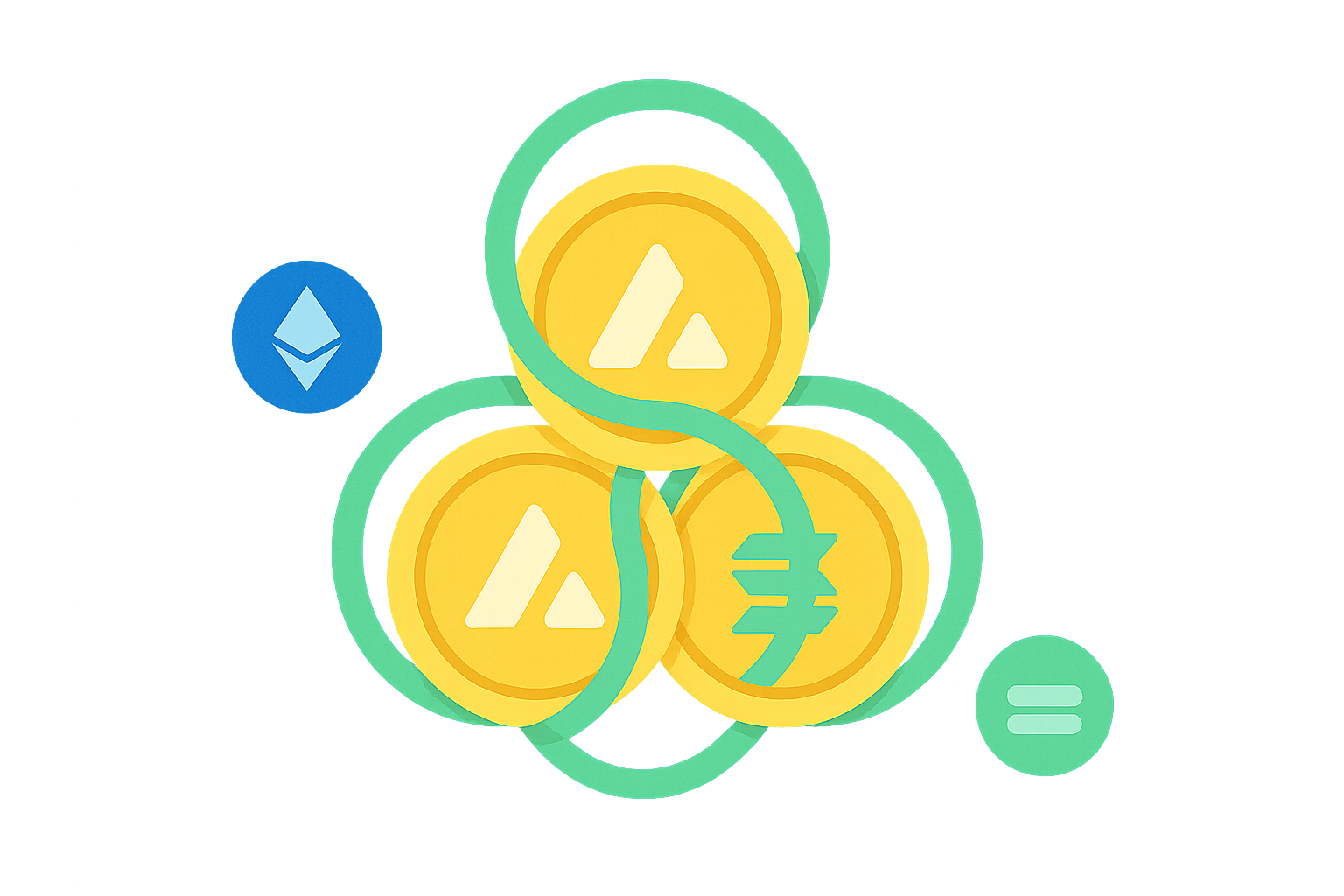
Avail’s architecture features three essential elements working in concert to achieve its mission. The first, Avail DA (Data Availability), serves as the backbone of the system by ensuring all transaction data is accessible and verifiable. The second, Fusion, drives interoperability between chains and enables frictionless communications across diverse ecosystems. The third, Nexus, acts as an integration bridge, connecting and unifying the entire Web3 infrastructure. Together, these components deliver a comprehensive solution to fragmentation and scalability challenges in blockchain.

Operational Mechanisms and Architecture

Avail relies on advanced validation and consensus mechanisms. The protocol utilizes random sampling of data availability to allow nodes to verify data integrity without processing the entire chain, dramatically reducing computational demands and boosting network efficiency. Avail’s modular architecture lets developers tailor security and performance settings to their applications’ needs. This flexibility, coupled with robust security, establishes Avail as a foundational infrastructure for the next wave of decentralized, interoperable blockchain applications.

Conclusion

Avail marks a significant leap forward in blockchain technology by solving critical issues in scalability, interoperability, and security. Its innovative architecture—featuring DA, Fusion, and Nexus—and sophisticated operational mechanisms deliver a unified platform capable of transforming fragmented Web3 environments into integrated, efficient infrastructure. By providing a scalable and reliable data availability layer, Avail accelerates the mass adoption of blockchain applications while upholding rigorous security standards. The technology continues to drive new possibilities for resilient, interoperable decentralized applications, ensuring its pivotal role in Web3’s digital evolution.

FAQ

What Does Avail Mean?

Avail is a modular blockchain designed to enhance scalability and data availability. It offers a decentralized data layer, allowing blockchain applications to seamlessly access shared information and optimize overall network efficiency.
* Informasi ini tidak bermaksud untuk menjadi dan bukan merupakan nasihat keuangan atau rekomendasi lain apa pun yang ditawarkan atau didukung oleh Gate.

Bagikan

Konten

Introduction and Overview

Avail Technology Fundamentals

Key Components of Avail

Operational Mechanisms and Architecture

Conclusion

FAQ

Artikel Terkait
What is Avalanche (AVAX): A Complete Fundamentals Analysis of Whitepaper Logic, Use Cases, and Technical Innovation
What is Avalanche (AVAX): A Complete Fundamentals Analysis of Whitepaper Logic, Use Cases, and Technical Innovation

This article offers an in-depth analysis of Avalanche (AVAX) covering its three-chain architecture innovation, token utility, ecosystem expansion, and competitive positioning. It explores how Avalanche enables high transaction throughput, efficient governance, and diverse use cases in DeFi, RWA, and gaming sectors. Targeted at developers and blockchain enthusiasts, the article details the strategic roadmap and contrasts Avalanche's performance against rivals like Solana and Ethereum. Key themes include AVAX's versatile design and institutional adoption, providing essential insights for understanding this emerging blockchain platform.
2025-12-21
Complete Guide to Blockchain Gas Fees in Web3

Complete Guide to Blockchain Gas Fees in Web3

This article provides a comprehensive guide to blockchain gas fees, a crucial aspect of Web3 transactions affecting costs, processing times, and user experiences. It details what gas fees are, their calculations, and the role of different tokens, helping users navigate transaction challenges like failures due to insufficient funds or network congestion. The piece also explores innovative solutions like Instant Gas and token-based reward systems, ensuring seamless interaction on major blockchain networks. Ideal for blockchain users seeking to optimize transaction success rates, the guide underscores the importance of understanding gas fees in ensuring efficient Web3 participation.
2025-12-19
Understanding Polygon Blockchain: A Comprehensive Guide

Understanding Polygon Blockchain: A Comprehensive Guide

This article explores the Polygon blockchain network, highlighting its significance as a layer-2 scaling solution for Ethereum. It discusses Polygon's technology innovations, including plasma chains, sidechains, and the zkEVM, which improve transaction speed and reduce costs. The guide further explains the role of the MATIC token and its applications across DeFi, NFTs, and gaming sectors. Readers will gain insights into Polygon's contributions to blockchain scalability, security, and decentralized governance, making it a key player in the Web3 ecosystem.
2025-12-05
Layer 2 Scaling Made Easy: Bridging Ethereum to Enhanced Solutions
Layer 2 Scaling Made Easy: Bridging Ethereum to Enhanced Solutions

The article delves into Layer 2 solutions, focusing on optimizing Ethereum's transaction speed and cost efficiency through bridging. It guides users on wallet and asset selection, outlines the bridging process, and highlights potential fees and timelines. The article caters to developers and blockchain enthusiasts, providing troubleshooting advice and security best practices. Keywords like "Layer 2 scaling," "bridge services," and "optimistic rollup technology" enhance content scannability, aiding readers in navigating Ethereum's ecosystem advancements.
2025-12-24
ZK Rollups Explained: Enhancing Blockchain Scalability Through Zero-Knowledge Solutions

ZK Rollups Explained: Enhancing Blockchain Scalability Through Zero-Knowledge Solutions

This article delves into ZK Rollups, a key layer-2 scaling solution for Ethereum, enhancing blockchain scalability through zero-knowledge proofs. It addresses the challenges of high transaction costs and congestion in Ethereum's main chain, offering faster transactions and lower fees. Targeted at developers and users involved in Web3 and blockchain applications, the article explains the workings, benefits, and distinctions of ZK Rollups compared to optimistic rollups. Structured to provide clear insights on its applications in DeFi, gaming, and NFT trading, it highlights projects like Polygon, StarkWare, and Immutable X, portraying ZK Rollups as a pivotal technology in blockchain scalability.
2025-12-18
Understanding the Functionality of Polygon Sidechain Technology

Understanding the Functionality of Polygon Sidechain Technology

Explore the significance of Polygon, a pivotal blockchain solution enhancing Ethereum's scalability in the Web3 ecosystem, backed by major brands like Disney and Meta. Learn about its layer-2 sidechain technology, offering reduced transaction fees and improved speeds. Delve into MATIC's role in network security and governance, along with comparisons to Ethereum and other layer-2 solutions. Understand its diverse applications in DeFi, NFT trading, and blockchain gaming. Polygon's ongoing commitment to decentralization and security reforms emphasizes its importance in the blockchain industry's growth.
2025-12-20
Direkomendasikan untuk Anda
What is BULLA coin: analyzing whitepaper logic, use cases, and team fundamentals in 2026

What is BULLA coin: analyzing whitepaper logic, use cases, and team fundamentals in 2026

BULLA coin introduces decentralized accounting and on-chain data management innovation built on BNB Smart Chain, eliminating intermediaries while ensuring real-time transaction verification. The platform addresses critical gaps in cryptocurrency infrastructure by embedding accounting logic directly into smart contracts, enabling transparent audit trails and regulatory compliance. Real-world applications include seamless transaction imports across multiple exchanges, comprehensive crypto portfolio tracking, and secure record-keeping for investors. Trade import tools enhance user experience by automating data categorization and consolidation. Founded in 2021 by blockchain architect Benjamin with support from experienced fintech designers and engineers, BULLA Networks demonstrates active development momentum with continuous smart contract iterations through early 2026. The 2026-2027 strategic roadmap prioritizes network infrastructure expansion and enhanced security protocols, positioning BULLA as a robust decen
2026-02-08
What is on-chain data analysis and how does it reveal whale movements and active addresses in crypto?

What is on-chain data analysis and how does it reveal whale movements and active addresses in crypto?

On-chain data analysis reveals cryptocurrency market dynamics by examining active addresses and transaction metrics that expose whale movements and investor behavior. This comprehensive guide explores how blockchain data serves as a critical market indicator, demonstrating the correlation between large holder activities and price movements—such as FLOKI's 950% surge in whale transactions. The article covers whale movement tracking, holder distribution patterns showing 73.47% concentration among major stakeholders, and on-chain fee trends as cycle indicators. Essential metrics include active addresses reflecting genuine network participation, transaction volumes revealing strategic positioning, and network congestion patterns during market cycles. By tracking these interconnected indicators through platforms like Glassnode and Gate, investors and traders can identify market sentiment shifts, anticipate price movements, and distinguish institutional activity from retail participation, making on-chain analysis i
2026-02-08
What is Vodra (VDR) crypto: whitepaper logic, use cases, and fundamentals analysis for 2026

What is Vodra (VDR) crypto: whitepaper logic, use cases, and fundamentals analysis for 2026

Vodra (VDR) is a decentralized blockchain platform revolutionizing creator economics through AI-powered infrastructure and transparent compensation systems. The project addresses the creator economy's core challenge—unfair intermediary-controlled monetization—by enabling direct audience-to-creator transactions without traditional gatekeepers. VDR's whitepaper establishes a dual-layer architecture combining artificial intelligence for content assistance with blockchain verification for security and transparency. The platform's real-world applications extend from content monetization to DeFi ecosystem integration, real-world asset tokenization, and AI-driven automation by 2026. Founded by former Google engineer Yu Hu with backing from prominent investors like Dragonfly and The Spartan Group, Vodra positions itself at the intersection of Web3 infrastructure and creator empowerment. Key acquisition channels include Gate and other decentralized exchanges, with development roadmaps targeting API standardization, en
2026-02-08
How do cryptocurrency competitors compare in market share, performance, and user adoption in 2026?

How do cryptocurrency competitors compare in market share, performance, and user adoption in 2026?

This comprehensive analysis examines how major cryptocurrency competitors diverge across market share, performance, and user adoption in 2026. Bitcoin maintains dominance above 60% while institutional investors adopt core-satellite portfolios allocating 60-80% to Bitcoin and 15-25% to Ethereum. Layer-2 solutions command a decisive 40% market share advantage over legacy networks, with Solana leading at 1,133 TPS and driving institutional TVL beyond $50 billion. Regional adoption varies dramatically: Asia-Pacific accelerates at 11.6% CAGR driven by digital transformation, while North America concentrates 75% institutional users. Trading activity concentrates on Gate and leading platforms, with top five cryptocurrencies maintaining 61% combined market share. Understanding these divergent trajectories is essential for investors navigating competitive positioning and institutional capital flows.
2026-02-08
What is on-chain data analysis and how does it predict crypto market trends

What is on-chain data analysis and how does it predict crypto market trends

This comprehensive guide explores on-chain data analysis as a foundational tool for predicting cryptocurrency market trends. The article examines how blockchain metrics—including active addresses, transaction volume, and network health—reveal genuine market sentiment beyond price action alone. Key sections analyze whale movements as reliable leading indicators of market direction, demonstrating how large holder distribution patterns expose institutional positioning before broader price shifts occur. The guide further demonstrates how gas fee trends and network congestion serve as real-time sentiment gauges across different blockchain architectures. By tracking these on-chain indicators on platforms like Gate, traders can identify market opportunities before mainstream recognition. The article emphasizes that while on-chain analysis provides measurable predictive value through transaction flow analysis and holder behavior patterns, it functions best as a complementary tool alongside other market analysis metho
2026-02-08
How Does VeChain (VET) Community and Ecosystem Activity Compare to Other Layer 1 Cryptocurrencies in 2026?

How Does VeChain (VET) Community and Ecosystem Activity Compare to Other Layer 1 Cryptocurrencies in 2026?

This comprehensive analysis examines VeChain's community and ecosystem activity relative to competing Layer 1 blockchains in 2026. The article evaluates VeChain's multimillion-follower social infrastructure across Discord and Telegram, extensive developer ecosystem featuring 5,000+ DApps, and robust on-chain metrics with 2.5 million daily active addresses. Key findings highlight VeChain's enterprise-grade differentiation through supply chain solutions, institutional partnerships with Fortune 500 organizations, and proven real-world applications. While VeChain demonstrates lower developer numbers than Ethereum and Solana, its focused positioning in enterprise adoption, regulatory compliance through MiCA alignment, and strategic partnerships with DNV and Boston Consulting Group establish competitive advantages in B2B blockchain adoption, positioning VET as a distinctive Layer 1 leader within enterprise-centric ecosystems.
2026-02-08