

Search Token/Wallet
Which Chain Is XRP On? Beginner's Guide
2026-01-21 00:17
Blockchain
DeFi
Payments
Web3 wallet
XRP
Article Rating : 4.5
136 ratings
Explore the XRP Ledger, a dedicated blockchain revolutionizing cross-border payments with unmatched speed and efficiency. This comprehensive guide examines XRPL's unique consensus protocol enabling 3-5 second transaction finality and ultra-low fees under $0.01, distinguishing it from Bitcoin and Ethereum. Discover how XRP operates as a native asset on its independent network, not as a token on other chains, and learn why this architecture matters for security and performance. The article covers recent ecosystem developments including NFT support via XLS-20, DeFi integration, and CBDC pilot programs, demonstrating XRPL's evolution beyond payments. Practical guidance on purchasing, storing, and safely using XRP through reputable exchanges and web3 wallets ensures you navigate the network correctly. Whether you're an institutional investor or individual user seeking fast, cost-effective value transfer solutions, understand XRPL's technical advantages and growing capabilities.
## Understanding the XRP Ledger
The foundation of XRP is the XRP Ledger (XRPL), a dedicated blockchain built specifically for fast and cost-efficient transfers. Launched in 2012 by Ripple Labs developers, the XRPL is an open-source, decentralized blockchain designed to revolutionize global payment systems. Unlike Bitcoin or Ethereum, it does not rely on traditional mining processes. Instead, XRPL employs a unique consensus protocol among a group of independent validators to confirm and record transactions on the ledger.
The consensus mechanism of the XRP Ledger is fundamentally different from proof-of-work or proof-of-stake systems. A network of trusted validators reaches agreement on the state of the ledger every 3-5 seconds, enabling rapid transaction finality. This approach not only ensures high-speed processing but also significantly reduces energy consumption compared to mining-based blockchains. The validator network is distributed globally, with over 150 independent validators participating in the consensus process, ensuring true decentralization.
**Key features of the XRP Ledger:**
- **Open-source**: Anyone can access and contribute to the codebase, fostering transparency and community-driven development.
- **Decentralized**: Validators are distributed globally and not controlled by Ripple Labs, ensuring network independence.
- **Speed**: Transactions confirm in 3-5 seconds, making it one of the fastest blockchain networks available.
- **Low transaction fees**: Transaction costs are often a fraction of a cent, typically less than $0.01.
- **Energy efficient**: The consensus protocol consumes significantly less energy than proof-of-work systems.
- **Scalability**: The network can handle over 1,500 transactions per second with room for expansion.
**Table: XRPL vs. Ethereum vs. Bitcoin**
| Feature | XRP Ledger | Ethereum | Bitcoin |
|---------|-----------|----------|---------|
| Consensus | Unique consensus protocol | Proof of stake | Proof of work |
| Typical speed | 3-5 seconds | 5-15 minutes | 10+ minutes |
| Average fee | <$0.01 | $1-$30 | $1-$20 |
| Smart contracts | Limited (Hooks) | Yes (Full support) | No |
| Energy consumption | Very low | Low | Very high |
| Transaction capacity | 1,500+ TPS | 15-30 TPS | 7 TPS |
## How XRP's Native Chain Differs From Other Networks
While many popular tokens are "hosted" on established smart contract chains (like ERC-20 tokens on Ethereum or BEP-20 tokens on BNB Chain), XRP follows a fundamentally different model. Understanding this distinction is crucial for anyone working with XRP, as it affects how you store, transfer, and interact with the asset.
**Highlights of XRPL compared to other blockchains:**
- **Native Asset**: XRP is the native digital asset of its ledger, not a token built on another blockchain. This means XRP exists at the protocol level of the XRP Ledger, similar to how ETH exists on Ethereum or BTC on Bitcoin. This native status provides XRP with inherent advantages in terms of transaction speed and cost efficiency.
- **No Mining**: Instead of proof-of-work or proof-of-stake, consensus between validators is reached using the XRPL protocol, making it more energy efficient. The absence of mining means there are no block rewards, and all 100 billion XRP tokens were created at the network's inception. This pre-mined supply model eliminates the energy-intensive process required by mining-based blockchains.
- **Primary Use Case**: XRP is mainly designed for efficient global value transfers between banks, financial firms, and individual users. The XRP Ledger was specifically engineered to facilitate cross-border payments and remittances, offering a bridge currency that can convert between different fiat currencies quickly and cost-effectively.
- **Interoperability**: Recent updates, like XLS-20, have brought NFT support and more functionalities to XRPL, positioning it as more than just a payments protocol. The ledger now supports decentralized exchange functionality, token issuance, and smart contract-like features through Hooks, expanding its use cases beyond simple value transfer.
- **Transaction Finality**: Unlike some blockchains that require multiple confirmations, transactions on the XRP Ledger achieve finality within seconds, providing certainty for both senders and receivers.
Unlike tokens like USDT or USDC, which exist as ERC-20s, TRC-20s, or BEP-20s—and so can move between chains— **XRP is only native to the XRPL**. Wrapped versions exist for cross-chain activity, enabling XRP to interact with DeFi protocols on other blockchains, but these are not the original XRP and carry additional risks associated with the wrapping process. When using wrapped XRP, you're essentially holding a representation of XRP on another chain, backed by actual XRP locked in a smart contract.
## Recent Developments: XRPL Ecosystem Growth and Future Prospects
The XRP Ledger has been continuously evolving, expanding its capabilities beyond simple payment processing to compete with more versatile smart contract platforms. These developments demonstrate the network's commitment to innovation while maintaining its core strengths in speed and efficiency.
- **NFTs on XRPL**: With the release of the XLS-20 protocol in late 2022, developers can now build native [NFTs](https://dex.gate.com/crypto-wiki/article/understanding-nfts-meaning-and-definition-explained-20251220) on the XRP Ledger. This feature enables direct minting and trading of non-fungible tokens without the high gas fees associated with Ethereum-based NFTs. The native NFT functionality provides creators with a cost-effective platform for digital art, collectibles, and tokenized assets, while maintaining the speed and efficiency that characterizes the XRP Ledger.
- **Decentralized Finance (DeFi)**: Projects like onXRP and Sologenic are bringing DeFi and token trading to the XRPL. These platforms leverage the ledger's built-in decentralized exchange (DEX) functionality to offer trading, liquidity provision, and yield generation opportunities. The emergence of [DeFi](https://dex.gate.com/crypto-wiki/article/innovations-in-decentralized-financial-services-what-is-defi-20251226) on XRPL represents a significant expansion of the ecosystem, attracting developers and users who seek alternatives to congested and expensive smart contract platforms.
- **Central Bank Digital Currencies (CBDCs)**: Pilot programs using XRPL for CBDCs reflect a growing institutional interest in the technology. Several central banks and financial institutions have explored or implemented CBDC solutions built on the XRP Ledger, recognizing its suitability for high-volume, low-cost digital currency systems. This institutional adoption validates the technical capabilities of the XRPL and positions it as a serious contender in the future of digital finance.
- **Network Stats**: According to Dune Analytics and Nansen, the XRPL averages over 1.5 million daily transactions, with around 150 active validators distributed globally. This transaction volume demonstrates real-world usage and network health, while the geographically distributed validator set ensures decentralization and resilience. The consistent growth in network activity indicates increasing adoption across various use cases.
- **Smart Contract Functionality**: The introduction of Hooks, a smart contract system for the XRP Ledger, enables developers to create more complex applications and automated processes. While different from Ethereum's virtual machine, Hooks provide programmability that expands the ledger's capabilities while maintaining its performance characteristics.
These updates make the XRPL more competitive with established smart contract blockchains, even as it keeps its original focus on fast, reliable payments. The ecosystem growth reflects a balanced approach to innovation—adding new features without compromising the core strengths that made XRP Ledger successful in the first place.
## Getting Started With XRP
If you're new to the world of crypto and want to explore XRP, understanding the proper procedures for acquiring, storing, and using XRP is essential for a safe and successful experience.
**Steps to begin your XRP journey:**
- **Choose a reliable exchange**: Set up an account on a reputable exchange to buy or sell XRP securely. Look for platforms with strong security measures, regulatory compliance, and positive user reviews. Major exchanges typically offer XRP trading pairs with various fiat currencies and other cryptocurrencies.
- **Select appropriate storage**: Use trusted web3 wallets that provide native XRP support. Hardware wallets like Ledger and software wallets such as XUMM (formerly Xumm) offer secure storage options specifically designed for the XRP Ledger. Ensure your chosen wallet supports the XRP Ledger directly rather than wrapped versions on other chains.
- **Understand wallet requirements**: XRP wallets require a minimum balance of 10 XRP to activate and maintain the account on the ledger. This reserve requirement is a spam prevention mechanism built into the XRPL protocol. Be aware of this requirement when setting up your wallet to avoid confusion.
- **Monitor network developments**: Follow updates from official XRPL repositories, Dune Analytics, and Nansen for on-chain data and ecosystem news. Staying informed about protocol upgrades, new features, and network statistics helps you make better decisions about using and holding XRP.
- **Practice safe transfers**: Always verify the destination address carefully before sending XRP, as blockchain transactions are irreversible. Use the destination tag when required by exchanges to ensure your transfer is properly credited to your account.
- **Explore ecosystem applications**: Once comfortable with basic XRP operations, explore DeFi platforms, NFT marketplaces, and other applications built on the XRP Ledger to fully experience the ecosystem's capabilities.
> **Expert Tip:** Always double-check if your wallet or exchange supports _native_ XRP before transferring, to avoid confusion with wrapped versions on other chains. Sending XRP to an address that only supports wrapped XRP (like an Ethereum address) will result in permanent loss of funds. Verify that the receiving platform explicitly states support for XRP Ledger transactions.
> **Security Reminder:** Never share your private keys or recovery phrases with anyone. Legitimate platforms will never ask for this information. Enable two-factor authentication on exchanges and keep your wallet software updated to protect against security vulnerabilities.
Knowing **which chain XRP is on** is essential for safely using, buying, or storing it. XRP operates natively on the XRP Ledger—a high-speed, low-cost, decentralized blockchain built specifically for value transfers and payment solutions. Unlike ERC-20 or BEP-20 tokens, XRP cannot be sent on the Ethereum or BNB Chain without using a wrapped version, and its core strengths lie in its dedicated network's unique design and consensus mechanism.
For secure trading or long-term holding, stick with reputable platforms that explicitly support the XRP Ledger and use web3 wallets that guarantee native XRP compatibility. Understanding the distinction between native XRP and wrapped versions is crucial for avoiding costly mistakes. Stay informed about XRPL's latest developments, including new features like NFT support, DeFi integration, and CBDC pilots, to make your crypto journey safer and smarter. The XRP Ledger's combination of speed, low costs, and growing functionality positions it as a unique player in the blockchain ecosystem, serving both traditional financial institutions and individual users with equal efficiency.
## FAQ
### Which blockchain does XRP run on?
XRP operates on the XRP Ledger, a dedicated blockchain created specifically for XRP. Unlike other cryptocurrencies, XRP does not run on Ethereum or other general-purpose blockchains, but rather on its own independent distributed ledger network designed for fast and efficient transactions.
### What is the difference between XRP and Ripple?
XRP is a digital currency and blockchain asset, while Ripple is the technology company that created it. XRP operates on the XRP Ledger independently, whereas Ripple develops payment solutions using XRP technology for financial institutions.
### What consensus mechanism does XRP use?
XRP uses the XRP Ledger Consensus Protocol, a unique Byzantine Fault Tolerant (BFT) mechanism. Unlike proof-of-work or proof-of-stake, it achieves consensus through a network of trusted validators without requiring energy-intensive mining.
### How do I purchase and store XRP?
Purchase XRP through major crypto platforms using fiat or other cryptocurrencies. Store XRP in secure wallets like hardware wallets, mobile wallets, or official XRP ledger wallets. Ensure you control your private keys for maximum security.
### What are the advantages of XRP compared to Bitcoin and Ethereum?
XRP offers faster transaction speeds(3-5 seconds), lower fees, and energy-efficient consensus mechanism. It's designed for cross-border payments with instant settlement, making it more practical for financial institutions than Bitcoin or Ethereum.
### What are the practical applications of XRP in payments and remittances?
XRP enables fast, low-cost cross-border transactions and remittances. Financial institutions use it for real-time settlement through RippleNet, reducing transaction fees and processing times compared to traditional banking systems.
* The information is not intended to be and does not constitute financial advice or any other recommendation of any sort offered or endorsed by Gate.
Related Articles
Top Decentralized Exchange Aggregators for Optimal Trading
Exploring top DEX aggregators in 2025, this article highlights their role in enhancing crypto trading efficiency. It addresses challenges faced by traders, such as finding optimal prices and reducing slippage, while ensuring security and ease of use. A practical overview of 11 leading platforms is provided, with guidance on selecting the right aggregator based on trading needs and security features. Designed for crypto traders seeking efficient and secure trading solutions, the article emphasizes the evolving benefits of using DEX aggregators in the DeFi landscape.
2025-12-24

Understanding Web3 Wallets: A Comprehensive Guide
This article provides a comprehensive guide to understanding Web3 wallets, highlighting their significance in securely managing and trading digital assets. It delves into the infrastructure of these wallets, their compatibility with decentralized applications, and their empowerment of users through non-custodial control. Targeted at cryptocurrency traders and investors, the article addresses the need for secure storage solutions and explores the variety of Web3 wallets available, including hardware and software options. It also discusses Web3's advanced internet framework, security features, and benefits, making it essential reading for anyone navigating the decentralized digital economy.
2025-12-22
What is Avalanche (AVAX): A Complete Fundamentals Analysis of Whitepaper Logic, Use Cases, and Technical Innovation
This article offers an in-depth analysis of Avalanche (AVAX) covering its three-chain architecture innovation, token utility, ecosystem expansion, and competitive positioning. It explores how Avalanche enables high transaction throughput, efficient governance, and diverse use cases in DeFi, RWA, and gaming sectors. Targeted at developers and blockchain enthusiasts, the article details the strategic roadmap and contrasts Avalanche's performance against rivals like Solana and Ethereum. Key themes include AVAX's versatile design and institutional adoption, providing essential insights for understanding this emerging blockchain platform.
2025-12-21
Understanding Governance Tokens: A Comprehensive Guide
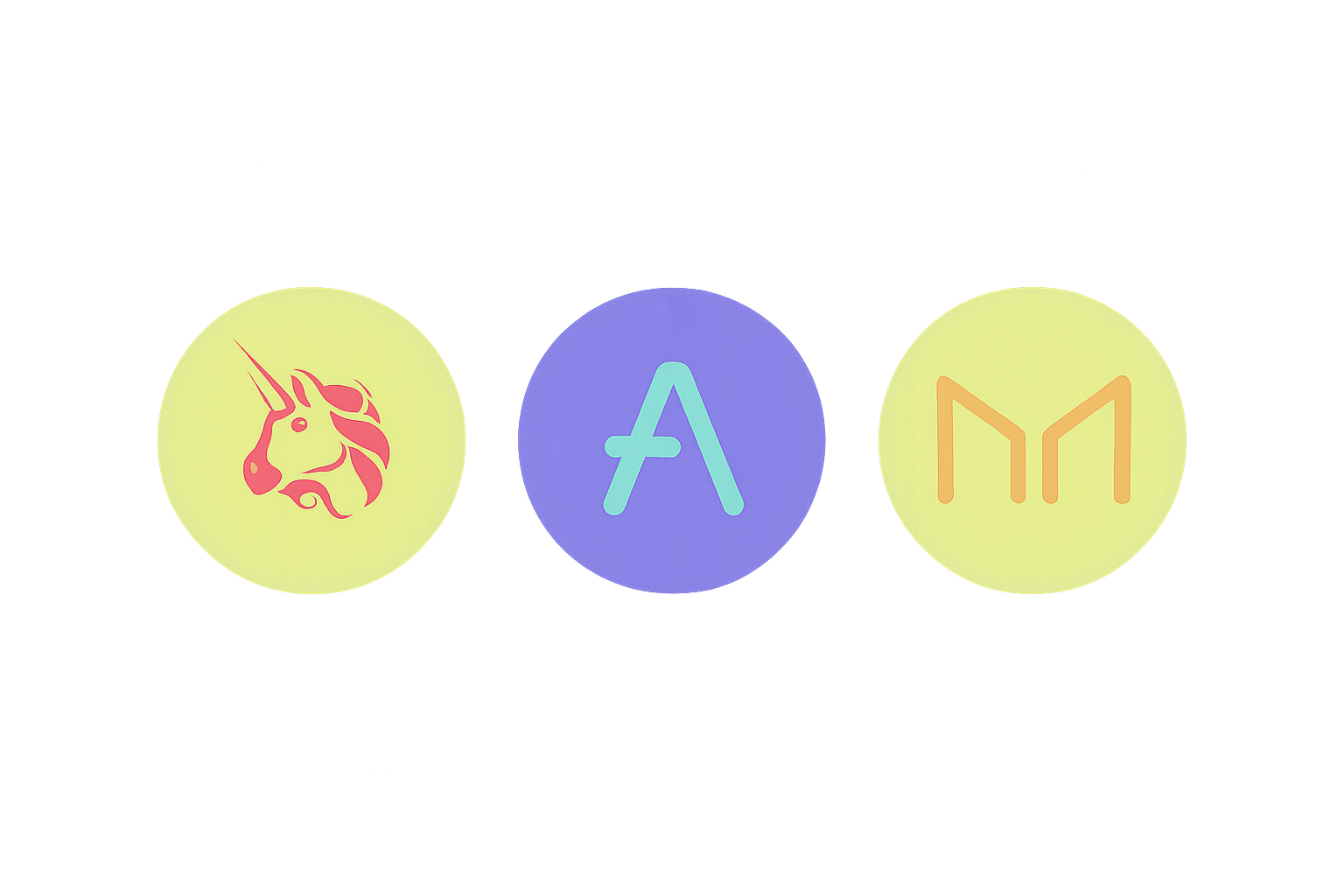
The article "Understanding Governance Tokens: A Comprehensive Guide" explores the significance of governance tokens in decentralized decision-making within the cryptocurrency ecosystem. It explains how these tokens empower users with voting rights, facilitating democratic participation and equitable governance in blockchain projects. The guide distinguishes between governance tokens and utility tokens, providing insights into their unique roles and functions. Readers learn about the operational mechanics, pros and cons, and trading platforms like Gate for acquiring governance tokens. Additionally, the article provides real-world examples such as Uniswap, Aave, and MakerDAO to illustrate governance tokens in action.
2025-12-19
Complete Guide to Blockchain Gas Fees in Web3
This article provides a comprehensive guide to blockchain gas fees, a crucial aspect of Web3 transactions affecting costs, processing times, and user experiences. It details what gas fees are, their calculations, and the role of different tokens, helping users navigate transaction challenges like failures due to insufficient funds or network congestion. The piece also explores innovative solutions like Instant Gas and token-based reward systems, ensuring seamless interaction on major blockchain networks. Ideal for blockchain users seeking to optimize transaction success rates, the guide underscores the importance of understanding gas fees in ensuring efficient Web3 participation.
2025-12-19

Blockchain-Powered Music Royalty Distribution: Avalanche Drives the Digital Transformation
See how Avalanche is transforming music royalty payments with blockchain. Artists receive instant payouts, full transparency, and direct access without intermediaries. Record Finance and Avalanche are reshaping the music industry through innovative Web3 solutions and USDC stablecoins. The future of creative finance begins now.
2025-12-27
Recommended for You

What is BULLA coin: analyzing whitepaper logic, use cases, and team fundamentals in 2026
BULLA coin introduces decentralized accounting and on-chain data management innovation built on BNB Smart Chain, eliminating intermediaries while ensuring real-time transaction verification. The platform addresses critical gaps in cryptocurrency infrastructure by embedding accounting logic directly into smart contracts, enabling transparent audit trails and regulatory compliance. Real-world applications include seamless transaction imports across multiple exchanges, comprehensive crypto portfolio tracking, and secure record-keeping for investors. Trade import tools enhance user experience by automating data categorization and consolidation. Founded in 2021 by blockchain architect Benjamin with support from experienced fintech designers and engineers, BULLA Networks demonstrates active development momentum with continuous smart contract iterations through early 2026. The 2026-2027 strategic roadmap prioritizes network infrastructure expansion and enhanced security protocols, positioning BULLA as a robust decen
2026-02-08

What is on-chain data analysis and how does it reveal whale movements and active addresses in crypto?
On-chain data analysis reveals cryptocurrency market dynamics by examining active addresses and transaction metrics that expose whale movements and investor behavior. This comprehensive guide explores how blockchain data serves as a critical market indicator, demonstrating the correlation between large holder activities and price movements—such as FLOKI's 950% surge in whale transactions. The article covers whale movement tracking, holder distribution patterns showing 73.47% concentration among major stakeholders, and on-chain fee trends as cycle indicators. Essential metrics include active addresses reflecting genuine network participation, transaction volumes revealing strategic positioning, and network congestion patterns during market cycles. By tracking these interconnected indicators through platforms like Glassnode and Gate, investors and traders can identify market sentiment shifts, anticipate price movements, and distinguish institutional activity from retail participation, making on-chain analysis i
2026-02-08

What is Vodra (VDR) crypto: whitepaper logic, use cases, and fundamentals analysis for 2026
Vodra (VDR) is a decentralized blockchain platform revolutionizing creator economics through AI-powered infrastructure and transparent compensation systems. The project addresses the creator economy's core challenge—unfair intermediary-controlled monetization—by enabling direct audience-to-creator transactions without traditional gatekeepers. VDR's whitepaper establishes a dual-layer architecture combining artificial intelligence for content assistance with blockchain verification for security and transparency. The platform's real-world applications extend from content monetization to DeFi ecosystem integration, real-world asset tokenization, and AI-driven automation by 2026. Founded by former Google engineer Yu Hu with backing from prominent investors like Dragonfly and The Spartan Group, Vodra positions itself at the intersection of Web3 infrastructure and creator empowerment. Key acquisition channels include Gate and other decentralized exchanges, with development roadmaps targeting API standardization, en
2026-02-08

How do cryptocurrency competitors compare in market share, performance, and user adoption in 2026?
This comprehensive analysis examines how major cryptocurrency competitors diverge across market share, performance, and user adoption in 2026. Bitcoin maintains dominance above 60% while institutional investors adopt core-satellite portfolios allocating 60-80% to Bitcoin and 15-25% to Ethereum. Layer-2 solutions command a decisive 40% market share advantage over legacy networks, with Solana leading at 1,133 TPS and driving institutional TVL beyond $50 billion. Regional adoption varies dramatically: Asia-Pacific accelerates at 11.6% CAGR driven by digital transformation, while North America concentrates 75% institutional users. Trading activity concentrates on Gate and leading platforms, with top five cryptocurrencies maintaining 61% combined market share. Understanding these divergent trajectories is essential for investors navigating competitive positioning and institutional capital flows.
2026-02-08

What is on-chain data analysis and how does it predict crypto market trends
This comprehensive guide explores on-chain data analysis as a foundational tool for predicting cryptocurrency market trends. The article examines how blockchain metrics—including active addresses, transaction volume, and network health—reveal genuine market sentiment beyond price action alone. Key sections analyze whale movements as reliable leading indicators of market direction, demonstrating how large holder distribution patterns expose institutional positioning before broader price shifts occur. The guide further demonstrates how gas fee trends and network congestion serve as real-time sentiment gauges across different blockchain architectures. By tracking these on-chain indicators on platforms like Gate, traders can identify market opportunities before mainstream recognition. The article emphasizes that while on-chain analysis provides measurable predictive value through transaction flow analysis and holder behavior patterns, it functions best as a complementary tool alongside other market analysis metho
2026-02-08

How Does VeChain (VET) Community and Ecosystem Activity Compare to Other Layer 1 Cryptocurrencies in 2026?
This comprehensive analysis examines VeChain's community and ecosystem activity relative to competing Layer 1 blockchains in 2026. The article evaluates VeChain's multimillion-follower social infrastructure across Discord and Telegram, extensive developer ecosystem featuring 5,000+ DApps, and robust on-chain metrics with 2.5 million daily active addresses. Key findings highlight VeChain's enterprise-grade differentiation through supply chain solutions, institutional partnerships with Fortune 500 organizations, and proven real-world applications. While VeChain demonstrates lower developer numbers than Ethereum and Solana, its focused positioning in enterprise adoption, regulatory compliance through MiCA alignment, and strategic partnerships with DNV and Boston Consulting Group establish competitive advantages in B2B blockchain adoption, positioning VET as a distinctive Layer 1 leader within enterprise-centric ecosystems.
2026-02-08